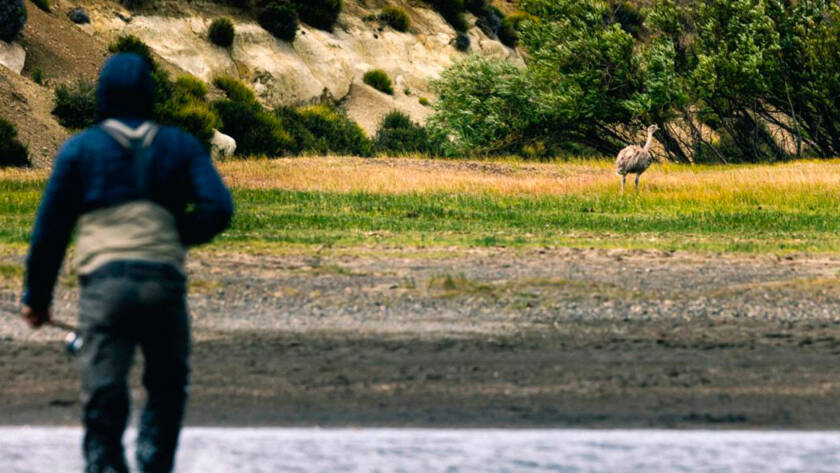
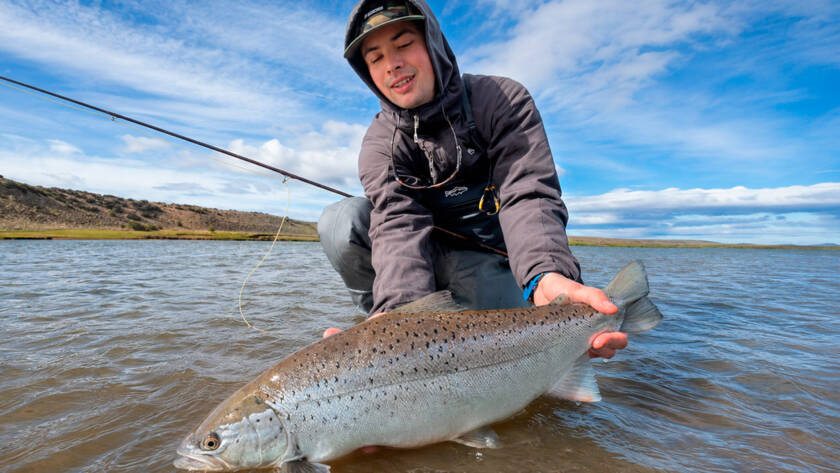
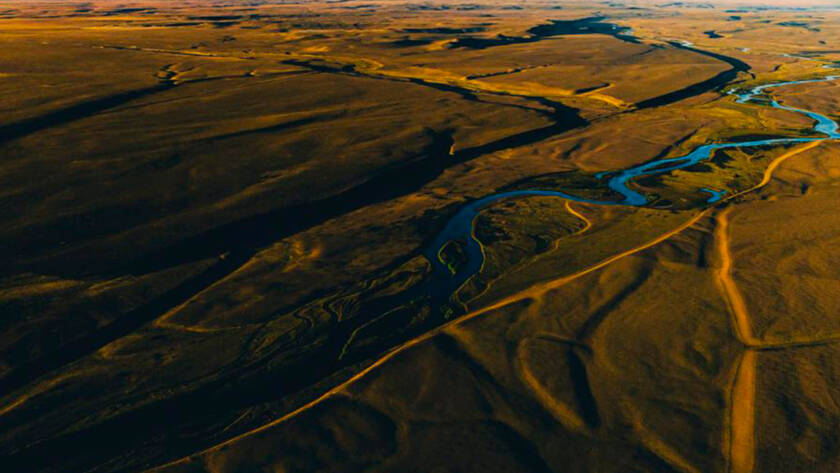
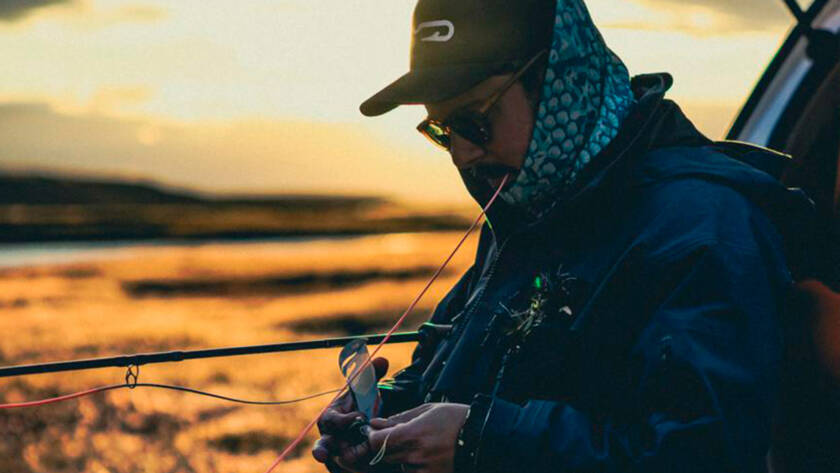
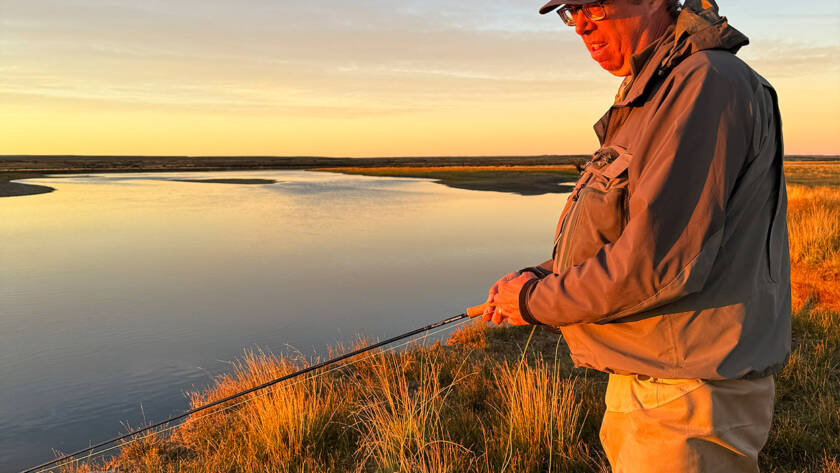
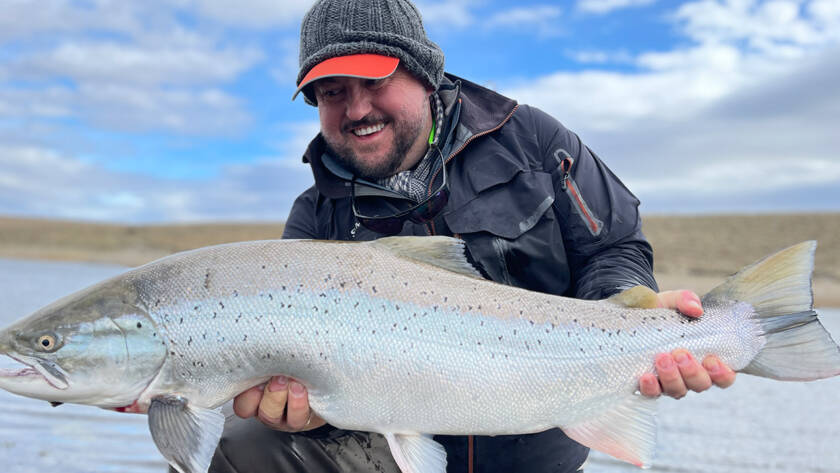
A week of sea-run brown trout fishing on the Río Gallegos may be the main reason for traveling to southern Patagonia, but it does not have to be the only…
Patagonia fly fishing trips cover a surprisingly wide price range.
A guided lodge stay of roughly a week can start around USD 5,000–7,000 per angler, move into the USD 8,000–10,500 range…
Two Patagonia fly fishing packages can look similar on the screen and deliver very different things.
One may include airport transfers, meals, guiding, and fishing access. Another may show a…
Two Patagonia fly fishing packages can look similar on the screen and deliver very different things. One may include airport transfers, meals, guiding, and fishing access. Another may show a…
Patagonia is often described as one fly fishing destination, but its rivers offer very different experiences. Choosing between them means choosing a species, a landscape, a fishing style, and a…
For anglers traveling from the United States or Canada, Patagonia can look intimidating on a map.
The distance is real, but the journey becomes much easier once it is divided…
The cost of a Patagonia fly fishing trip cannot be understood through the lodge rate alone. For international anglers, the full investment may include flights, regional connections, accommodation, guided fishing,…
Booking a fly fishing lodge in Patagonia often happens months before the angler reaches the river. The decision may be made from another country, after reviewing websites, photographs, itineraries, prices,…
A Río Gallegos fly box should not be built around dozens of famous patterns. It should be built around decisions. Sea-run brown trout may respond differently as water level, clarity,…
Sea-run brown trout fishing in Patagonia carries a powerful reputation. For many anglers, the idea is almost mythical: large trout moving from the ocean into wild southern rivers, long casts…
Planning a fly fishing trip to Patagonia is exciting, but it also requires more preparation than an ordinary fishing vacation. For international anglers, the challenge is not only choosing the…
Choosing a Patagonia fly fishing lodge is not only about finding a place with fish. It is about finding the right match. The right lodge should fit your goals, your…