Sea-run brown trout fishing in Patagonia carries a powerful reputation.
For many anglers, the idea is almost mythical: large trout moving from the ocean into wild southern rivers, long casts across wind-shaped water, heavy pulls in the current, and the possibility of a fish that can define an entire trip.
That reputation is part of the attraction.
But it can also create misunderstandings.
Some anglers arrive expecting constant action. Others imagine that every take will come from a trophy fish. Some assume sea-run brown trout behave like resident trout, or that the only skill that matters is casting as far as possible. Others think Patagonia is too difficult for a first-time visitor, or that success depends entirely on luck.
The truth is more interesting.
Sea-run brown trout fishing in Patagonia is demanding, but not mysterious in the wrong way. It rewards preparation, patience, good guidance, realistic expectations, and the ability to adjust to conditions. The better you understand what this fishing is — and what it is not — the more prepared you will be to enjoy it fully.
Here are some of the most common misconceptions about sea-run brown trout fishing in Patagonia.
Misconception 1: Every day is about landing a giant fish
This may be the most common expectation.
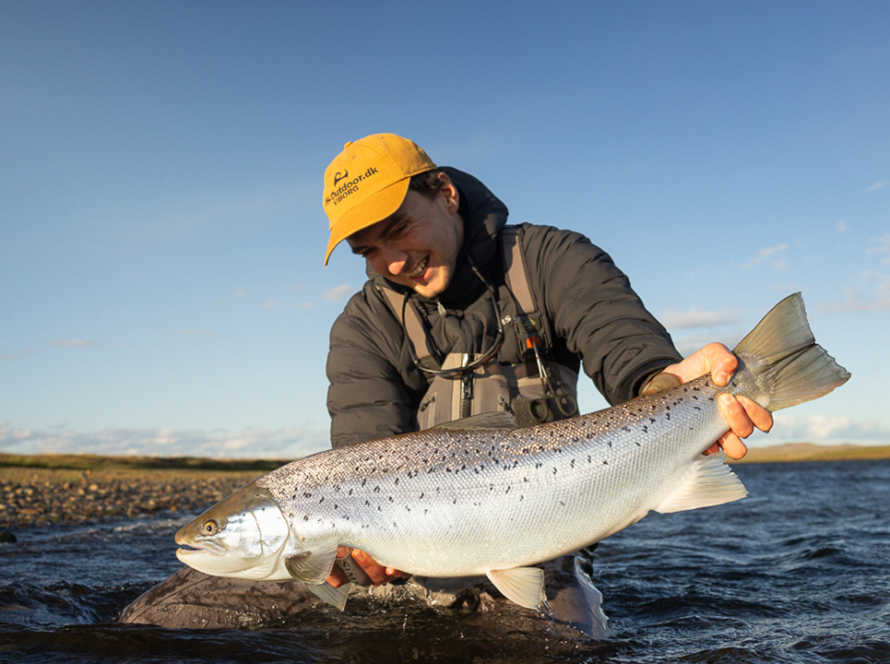
Anglers see photos of large sea-run brown trout and begin imagining that every day on the river will produce fish of that caliber. Patagonia can absolutely offer extraordinary fish, and that possibility is one of the reasons anglers travel so far.
But sea-run brown trout fishing is not a guaranteed trophy factory.
These are migratory fish. Their behavior changes with water conditions, light, temperature, pressure, timing, and movement through the system. Some days may be quiet. Some sessions may be built around one or two serious chances. A single take can become the defining moment of the day.
That is part of the appeal.
This fishing is not valuable because it is easy. It is valuable because the fish feel earned.
A better expectation is this: Patagonia gives anglers the chance to fish for remarkable sea-run brown trout in a serious environment. When the moment comes, it feels powerful because it was never automatic.
Misconception 2: Sea-run brown trout behave just like resident trout
Sea-run brown trout are still brown trout, but their behavior can feel very different from the resident trout fishing many anglers know.
A resident trout may live, feed, and hold in a familiar system year-round. Sea-run brown trout move between saltwater and freshwater. When they enter rivers, their behavior is shaped by migration, water levels, resting areas, light, and river conditions.
This changes how anglers should think.
The goal is often less about matching a hatch and more about presenting the fly effectively through likely holding water. Reading current, covering water, managing swing speed, adjusting depth, and staying alert become essential.
This does not mean dry-fly or lighter presentations never matter. It means the angler should arrive ready for a style of fishing that often feels more deliberate, more methodical, and more dependent on covering water with discipline.
If you approach sea-run brown trout exactly as you would a small stream resident trout, you may miss the logic of the fishery.
Misconception 3: You need to cast extremely far to have a chance
Distance helps.
But distance is not everything.
Many anglers worry that if they cannot cast extraordinary distances, they will not be able to fish Patagonia effectively. Good casting is valuable, especially in wind, but control matters as much as distance.
A clean cast that turns over properly, fishes at the right angle, and allows the fly to move well through the water is usually more useful than a long cast that collapses, drags incorrectly, or lands without control.
Presentation matters.
Line management matters.
Angle matters.
Being able to repeat a good cast matters.
For anglers preparing for a Río Gallegos trip, it is wise to practice before arrival. But the goal should not be only maximum distance. Practice casting with wind in mind. Practice turning over larger flies. Practice controlling the line after the cast. Practice staying relaxed when conditions are imperfect.
A good guide can help you fish effectively, but arriving with solid fundamentals will make the whole experience better.
Misconception 4: Wind ruins the fishing
Wind is part of Patagonia.
It can be challenging, but it is not automatically bad. In fact, learning to fish with wind is part of understanding the region. Anglers who arrive expecting perfectly calm conditions may become frustrated quickly. Anglers who accept wind as part of the environment tend to adapt better.
The key is preparation.
Wind affects casting, line control, fly choice, body position, and patience. It may influence which bank fishes better, how a cast should be delivered, or how the day is approached. But experienced guides know how to work with these conditions, and anglers who stay flexible can still fish effectively.
The mistake is treating wind as a failure of the trip.
It is part of the place.
Patagonia is not designed to feel controlled. Its weather is part of its identity, and that identity shapes the fishing. A strong mindset can make the difference between fighting the conditions all day and learning how to fish inside them.
Misconception 5: Bigger flies always mean bigger fish
Large flies have a place in sea-run brown trout fishing.
So do smaller or more subtle presentations.
The idea that bigger is always better can lead anglers into a rigid approach. Sea-run brown trout may respond to different sizes, profiles, colors, depths, and speeds depending on conditions. Water clarity, light, temperature, fishing pressure, and the mood of the fish all influence what may work.
A better approach is to think in terms of adjustment.
If one presentation is not producing, the answer may be depth. Or speed. Or angle. Or profile. Or timing. Or simply covering the next piece of water carefully.
This is where listening to guides matters.
The most effective anglers are not always the ones who arrive with the most confident theory. They are often the ones who observe, adapt, and change when the water asks for something different.
Misconception 6: Sea-run brown trout are always aggressive
The image of a sea-run brown trout crushing a fly is powerful.
And sometimes it happens.
But sea-run fish are not always aggressive in a simple, predictable way. They may be present without responding easily. They may follow, hesitate, move slightly, or take softly. Some fish may react only under certain light or water conditions. Others may seem inactive until a small change makes the presentation more convincing.
This is why patience is central to the experience.
An angler who expects constant explosive takes may become discouraged too quickly. An angler who understands that a quiet run can still be worth fishing will stay engaged longer.
Sea-run brown trout fishing often rewards attention during the slow parts.
The moment may come when nothing has happened for an hour.
That is why every good swing matters.
Misconception 7: Beginners should avoid Patagonia sea-run brown trout
Patagonia sea-run brown trout fishing is serious, but that does not mean only elite anglers can enjoy it.
A first-time visitor can have a meaningful trip if he arrives with realistic expectations, good preparation, and a willingness to listen. Casting skill helps, of course. Experience helps. But attitude is just as important.
A beginner or intermediate angler should be honest before the trip.
If wind casting is difficult, practice. If two-handed casting is unfamiliar, ask what is recommended. If wading comfort is limited, communicate that. If instruction is desired, say so.
The wrong mindset is pretending to be more experienced than you are.
The right mindset is arriving ready to learn.
Karku can be a strong option for anglers who want a focused Río Gallegos experience with clear preparation and guidance. The better the communication before arrival, the better the lodge and guides can help shape realistic expectations.
Misconception 8: The best anglers always catch the most fish
Skill matters.
But sea-run brown trout fishing includes variables no angler fully controls.
Fish movement, weather, water level, light, temperature, timing, and river mood all play a role. A highly skilled angler may have a difficult session. A less experienced angler may be in the right place when a fish responds. That does not make the fishing random. It means the fishery is alive.
Good anglers improve their chances through preparation, casting, presentation, adaptability, and focus.
But humility is part of the game.
The best approach is to control what can be controlled: arrive prepared, listen carefully, fish each run with attention, stay patient, and respect the conditions. That mindset gives an angler the best chance to make the most of the opportunity when it appears.
Misconception 9: The lodge is just a place to sleep
On a trip like this, the lodge matters.
It affects preparation, recovery, communication, daily rhythm, and the way the angler experiences the week as a whole. A good lodge does more than provide a bed. It helps the guest understand the fishery, prepare for the conditions, and stay focused throughout the trip.
This is especially important for international anglers.
When traveling far to fish Patagonia, small details become valuable: clear guidance before arrival, realistic gear advice, organized transfers, knowledgeable staff, good food, rest, and a setting that supports the fishing rather than distracting from it.
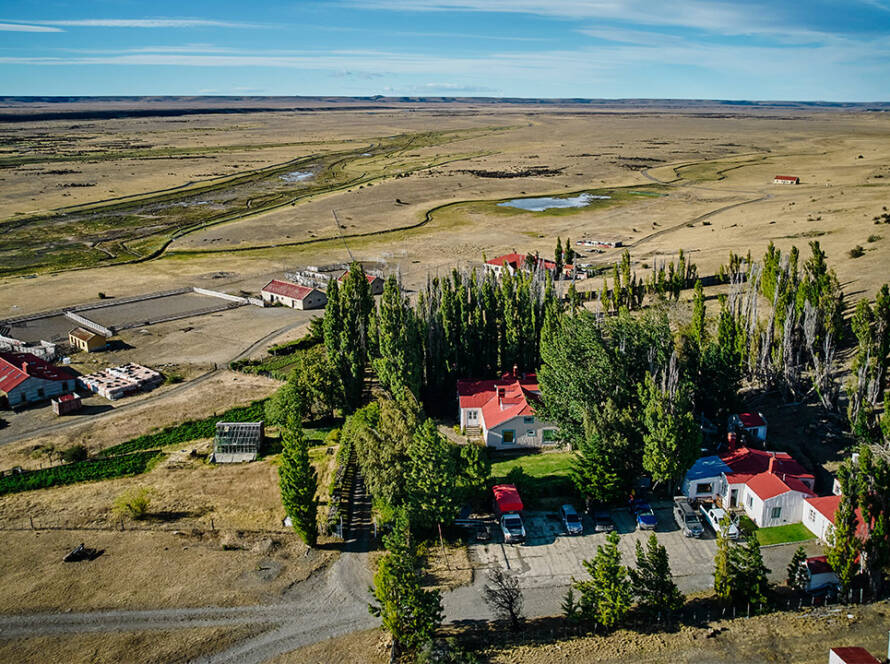
Karku is located in the Laguna Colorada area of the Río Gallegos, near the well-known Estancia Las Buitreras zone. For anglers focused on sea-run brown trout, that kind of setting gives the lodge a clear relationship to the fishery.
The river is the main reason to come.
The lodge helps the angler experience it better.
Misconception 10: Success is measured only by numbers
Catch numbers matter to anglers. They always will.
But sea-run brown trout fishing in Patagonia is not always best understood through numbers alone. A week can be meaningful because of the quality of the water, the difficulty of the conditions, the size or strength of one fish, the improvement in the angler’s technique, or the feeling of finally connecting after effort.
This kind of fishing often produces memories that are larger than statistics.
A single fish can define a day.
A single take can change the energy of a week.
A single moment in the right pool, under the right light, after hours of concentration, can become the reason the trip stays with the angler for years.
Measuring value only by quantity can make you miss the deeper nature of the experience.
Misconception 11: Patagonia is too remote to plan confidently
Patagonia is remote, but that does not mean planning has to feel uncertain.
With the right communication, international anglers can prepare effectively. They can understand what to pack, how transfers work, what conditions to expect, what fishing style they should be ready for, and whether they should consider adding another destination before or after their main week.
This is where a lodge with clear communication becomes especially useful.
For anglers interested in extending the trip, Karku Combo Trips can also help evaluate whether another South American fishery makes sense according to the season, route, time available, and fishing goals. That might include rainbow trout, steelhead, golden dorado, brook trout, or Chinook salmon depending on the itinerary.
The key is not to overcomplicate the trip.
The key is to plan it well.
Misconception 12: You must know everything before you arrive
Preparation matters, but you do not need to arrive as an expert.
Part of the value of a guided Patagonia trip is learning the fishery as you go. You can read about sea-run brown trout, study gear lists, practice casting, and ask questions before the trip, but the river will still teach you things once you are there.
That is part of the experience.
Arrive prepared, but not rigid.
Arrive informed, but not closed.
Arrive with goals, but leave room for the river to shape the week.
Sea-run brown trout fishing in Patagonia is at its best when the angler brings effort and attention without trying to control every outcome.
Final thoughts
Sea-run brown trout fishing in Patagonia is often misunderstood because its reputation is so strong.
Yes, the fish can be extraordinary. Yes, the conditions can be demanding. Yes, the river can test patience. But the experience is richer than the myths around it.
It is not about guaranteed trophies.
It is not only for experts.
It is not ruined by wind.
It is not measured only by numbers.
It is a style of fishing built on preparation, patience, adaptation, and the possibility of unforgettable moments.
For anglers who want to experience the Río Gallegos with a realistic understanding of what makes sea-run brown trout fishing so compelling, discover Karku Fly Fishing Lodge and prepare for a Patagonia trip shaped by serious water, honest expectations, and the timeless appeal of one of the world’s great migratory trout experiences.