Planning a fly fishing trip to Patagonia is exciting, but it also requires more preparation than an ordinary fishing vacation.
For international anglers, the challenge is not only choosing the right lodge or the right river. It is making sure every practical detail supports the fishing experience: flights, transfers, gear, clothing, weather preparation, documents, communication, luggage, physical readiness, and expectations.
Patagonia rewards anglers who arrive prepared.
A well-planned trip gives you more confidence before departure, fewer problems in transit, and better focus once you reach the water. A poorly planned trip can cost fishing time, create unnecessary stress, or leave you missing something important in a remote place where replacing gear may not be easy.
This Patagonia fly fishing travel checklist is designed for international anglers preparing for a serious fishing journey, especially those traveling to southern Argentina for sea-run brown trout on rivers such as the Río Gallegos.
Use it before booking, before packing, and again before departure.
1. Confirm the main purpose of your trip
Before building your packing list, confirm what kind of trip you are actually taking.
A Patagonia fly fishing trip can mean many things. Some anglers are coming specifically for sea-run brown trout. Others want rainbow trout, brook trout, steelhead, dorado, or a multi-species itinerary. Some want a focused lodge week. Others want a broader journey across Patagonia or South America.
Your main goal will affect almost every decision.
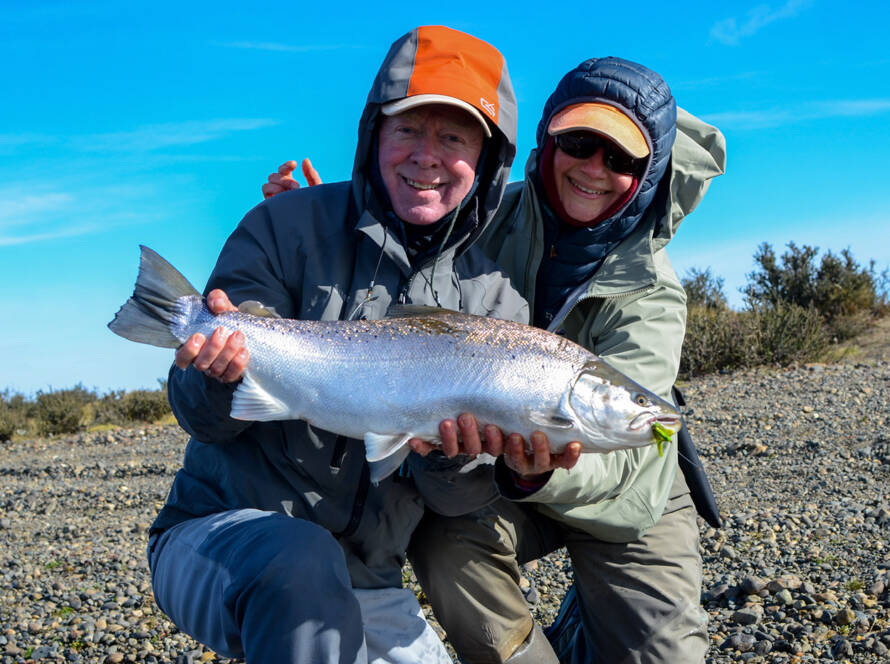
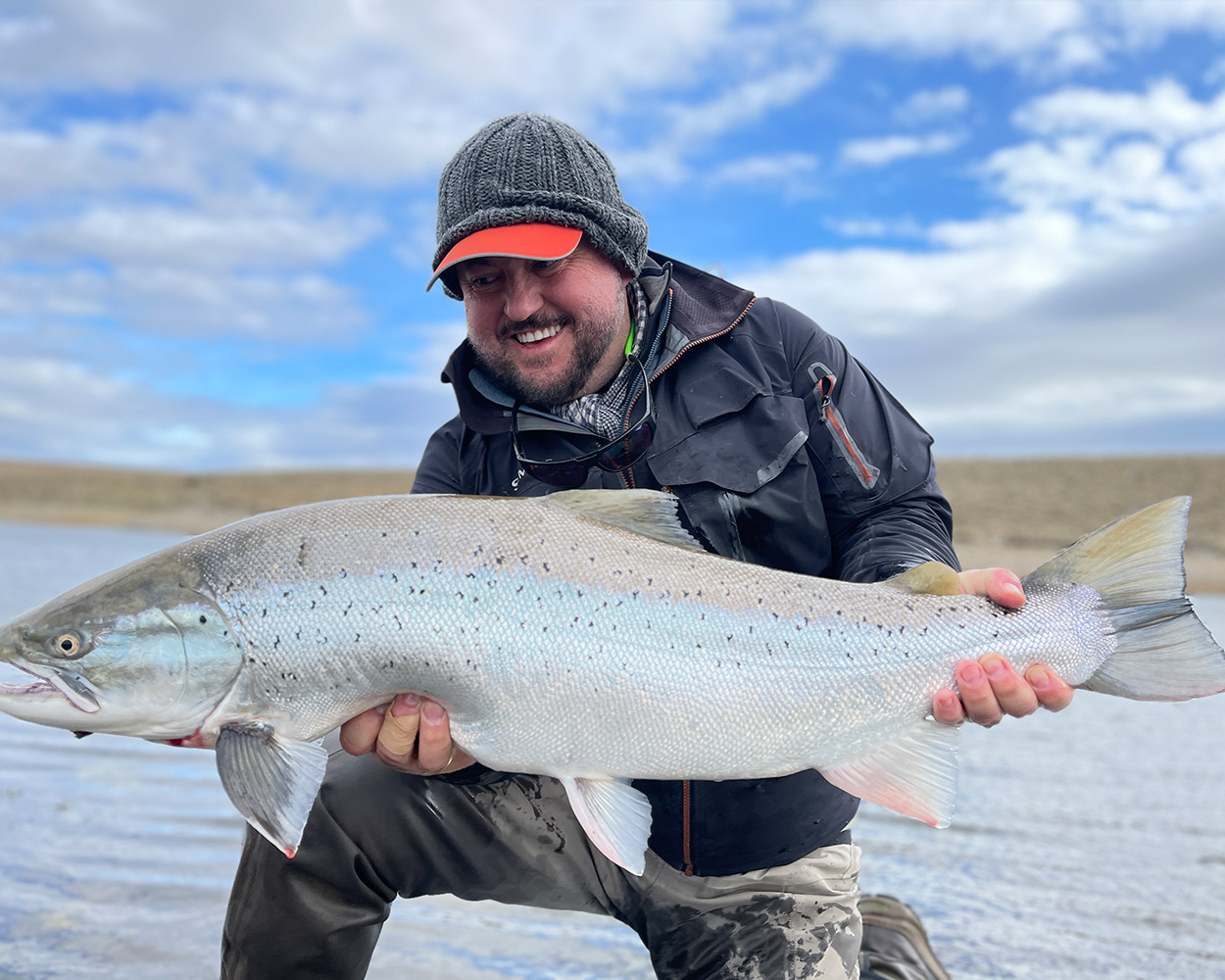
If your trip is centered on the Río Gallegos, your gear, clothing, expectations, and preparation should be built around sea-run brown trout fishing: wind, long casts, colder conditions, strong fish, and serious water.
Karku Fly Fishing Lodge is located in the Laguna Colorada area of the Río Gallegos, near the well-known Estancia Las Buitreras zone. For anglers traveling to Karku, the main experience is clear: a focused Patagonia fishing trip built around one of the region’s respected sea-run brown trout environments.
Before going further, ask yourself:
- What species am I mainly traveling for?
- How many fishing days do I have?
- Is this a focused single-lodge trip or part of a larger itinerary?
- Do I need gear for more than one fishery?
- Am I prepared for the conditions of the main destination?
A good checklist begins with a clear trip identity.
2. Check travel documents early
International travel details should be reviewed well before departure.
Do not leave passport, entry rules, or travel paperwork until the last week. Requirements can change, and airlines may have their own rules for boarding. Always confirm current information through official channels before traveling.
Basic document checklist:
- Valid passport with enough remaining validity
- Any required visa or entry authorization
- Flight confirmations
- Domestic flight details
- Lodge confirmation
- Transfer details
- Travel insurance information
- Emergency contacts
- Copies of important documents
Keep digital copies and printed backups. Remote travel is easier when key information is available even if your phone battery dies, internet is weak, or a connection is delayed.
3. Review your flight and transfer plan carefully
Getting to Patagonia may involve several stages.
International flights, domestic connections, overnight stops, and ground transfers can all affect how you feel when you arrive. A good flight plan is not only about price. It is about protecting your fishing days.
Look at your itinerary with practical eyes.
Will you arrive late at night?
Is there enough time between connections?
What happens if one flight is delayed?
Will your gear make the connection?
Do you need an overnight buffer before the final transfer?
Will you be rested enough to fish well on arrival?
For a serious fishing trip, the cheapest route is not always the best value. A slightly better schedule can protect energy, reduce stress, and help you begin the fishing week in better condition.
If you are traveling with checked rods, reels, waders, boots, and layers, also review airline baggage policies before departure. Weight limits, rod tube dimensions, and carry-on rules can vary.
4. Pack for Patagonia weather, not just the forecast
Patagonia weather can change quickly.
Even if the forecast looks manageable, anglers should prepare for wind, cold mornings, sun exposure, rain, temperature swings, and long hours outdoors. Clothing should be layered, practical, and tested before the trip.
A smart clothing system includes:
- Moisture-wicking base layers
- Warm mid-layers
- Insulating jacket
- Waterproof and windproof outer shell
- Fishing gloves
- Warm hat
- Sun hat or cap
- Neck gaiter or buff
- Polarized sunglasses
- Comfortable socks
- Camp or lodge clothes for after fishing
Avoid packing only for comfort at the lodge. The most important clothing decisions happen on the water. If you are cold, wet, overheated, or unprotected from wind, your fishing focus will suffer.
The goal is not to bring your entire closet.
The goal is to bring layers that work together.
5. Prepare your fishing gear around the actual species
Your gear list should match the fishery.
For sea-run brown trout in Patagonia, anglers generally need stronger trout equipment than they might use on smaller resident trout streams. Wind, larger flies, strong fish, and bigger water all influence the setup.
Before packing, confirm lodge recommendations for:
- Rod weights
- Reel size and drag expectations
- Floating, intermediate, or sinking lines
- Leaders and tippet
- Fly selection
- Waders and boots
- Preferred studs or soles
- Backup rod recommendations
- Net requirements, if any
- Tools and accessories
If your trip includes a second fishery, the checklist becomes more important. A golden dorado extension, for example, may require very different tackle from a trout-focused itinerary. A salmon or steelhead extension may also change rod, line, and fly needs.
Karku Combo Trips can help anglers evaluate whether extra gear is needed for an added destination. The key is to avoid two problems: arriving underprepared or carrying unnecessary weight across multiple flights.
6. Bring essential backups
Remote fishing trips are not the place to depend on a single critical item.
If something breaks, gets lost, or fails, replacing it may be difficult. You do not need to overpack, but you should bring backups for the items that could affect your ability to fish.
Useful backups include:
- Spare reel or spool
- Backup fly line
- Extra leaders and tippet
- Additional sunglasses
- Extra gloves
- Repair kit for waders
- Spare boot laces
- Extra chargers or adapters
- Copies of documents
- Basic medication
- A second warm hat or buff
Think in terms of trip protection.
A small backup item can save a full fishing day.
7. Prepare physically before you travel
You do not need to be an athlete to enjoy a Patagonia fly fishing trip, but you should be honest about the physical nature of the experience.
Long days on the water, wind, wading, walking, casting, changing conditions, and early mornings can add up. If you are not used to casting for hours or walking on uneven ground, some preparation will help.
Before departure, consider:
- Practicing casting regularly
- Walking more in the weeks before the trip
- Stretching shoulders, back, and legs
- Testing your waders and boots
- Practicing with heavier rods or wind-resistant casts
- Building stamina for long outdoor days
If you have mobility concerns, injuries, or physical limitations, communicate them before arrival. A good lodge can help set realistic expectations and guide the trip more effectively when it understands the guest’s needs.
8. Practice casting before the trip
Patagonia is not the best place to discover that your casting needs urgent work.
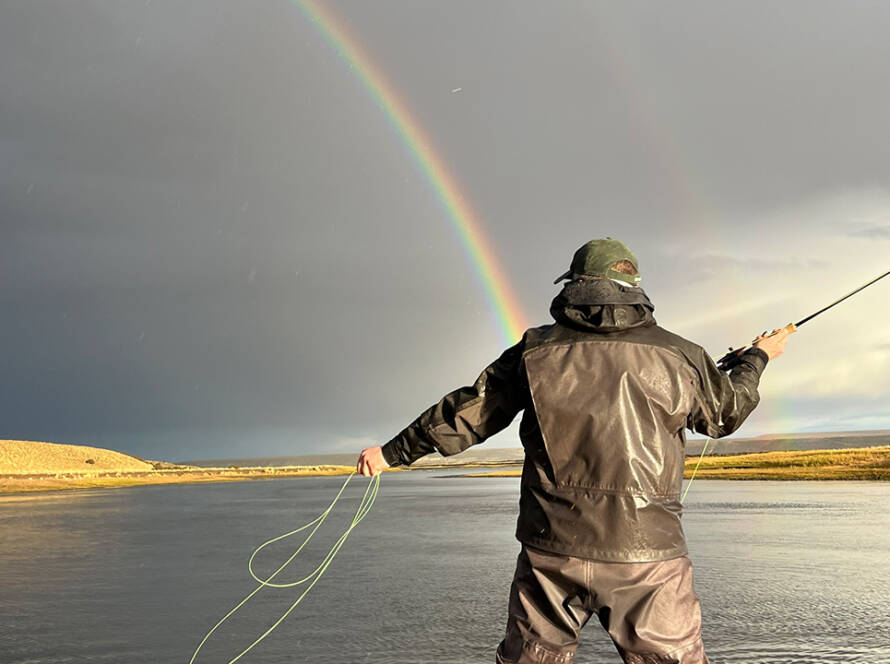
You do not need perfect technique, but preparation matters. Wind, heavier flies, larger rivers, and longer fishing days reward anglers who can cast with control and repeatability.
Practice should focus on:
- Accuracy
- Line control
- Casting in wind
- Turning over larger flies
- Double hauling, if appropriate
- Casting at different angles
- Keeping relaxed under pressure
- Making clean, repeatable casts
Distance can help, but control is more important than simply trying to cast as far as possible. A good cast that fishes well is better than a long cast that collapses.
If you are new to the style of fishing expected on your trip, ask the lodge what to practice before arrival.
9. Understand what is included in your trip
Before traveling, make sure you understand the practical details of your package.
Do not assume every lodge includes the same things. Packages may vary in transfers, meals, fishing days, alcohol, laundry, licenses, flies, gear, tips, or internal travel.
Ask clearly:
- Are airport transfers included?
- How many nights are included?
- How many fishing days are included?
- Are meals included?
- Are drinks included?
- Are fishing licenses included or separate?
- Are flies available?
- Is laundry available?
- Are tips expected?
- What payment methods are accepted?
- What expenses should I bring cash for?
This is not only about cost. It is about avoiding surprises in a remote destination.
Clear information before travel creates a smoother experience after arrival.
10. Plan communication and connectivity
Do not assume constant connectivity in remote Patagonia.
Ask before traveling what kind of internet or phone access is available at the lodge and during transfers. International anglers should also consider roaming, local SIM or eSIM options, offline maps, downloaded documents, and emergency contact plans.
Before departure:
- Save lodge contact details offline
- Download flight and hotel confirmations
- Share itinerary with family or friends
- Confirm emergency contact procedures
- Bring the right plug adapters
- Carry a power bank
- Download maps or translation tools if needed
Connectivity may be available, but remote travel always benefits from preparation.
11. Pack personal comfort items carefully
A fishing lodge will cover the main experience, but small personal items can make travel easier.
Consider bringing:
- Personal medications
- Basic first-aid items
- Sunscreen
- Lip balm
- Motion sickness medicine, if needed
- Earplugs
- Sleep mask
- Personal snacks for travel days
- Reusable water bottle
- Lightweight lodge shoes
- Toiletries in travel-safe containers
These items are not exciting, but they help keep the trip comfortable.
The less energy you spend solving small discomforts, the more attention you can give to fishing.
12. Ask the lodge the right questions before arrival
A strong pre-trip conversation can improve the entire journey.
Before traveling, ask questions that help you arrive ready:
- What rods and lines are recommended?
- What flies should I bring?
- What clothing is most important?
- What is the daily fishing rhythm?
- How long are transfers?
- What physical demands should I expect?
- What weather should I prepare for?
- What is the best way to handle tips?
- Are there any current local considerations?
- What should international anglers know before arriving?
If you are traveling to Karku, this conversation can also help clarify whether your trip should stay focused on the Río Gallegos or whether a Karku Combo Trip extension makes sense according to your dates, interests, and available time.
Good questions lead to better preparation.
13. Prepare your mindset
This may be the most overlooked item on the checklist.
Patagonia is not a controlled fishing theme park. It is a real place, with real weather, real fish behavior, and real variables. Some days may be generous. Others may be difficult. Wind may test you. Fish may ask for patience. Conditions may change.
Arrive with goals, but avoid rigid expectations.
The best mindset is prepared, flexible, and attentive.
A successful Patagonia fly fishing trip is not only measured by numbers. It is measured by the quality of the fishing, the setting, the effort, the learning, the moments that happen unexpectedly, and the feeling of being fully present in one of the world’s great fly fishing regions.
The right mindset helps you enjoy the whole journey, not only the easiest parts.
14. Final pre-departure checklist
Before leaving home, review this final list:
- Passport and travel documents confirmed
- Flights and transfers checked
- Lodge contact information saved
- Travel insurance arranged
- Fishing gear packed and inspected
- Rods and reels checked
- Lines, leaders, tippet, and flies organized
- Waders and boots tested
- Layering system packed
- Rain and wind protection packed
- Sunglasses, hat, gloves, and buff packed
- Chargers, adapters, and power bank included
- Medications and personal items packed
- Cash or payment plan confirmed
- Questions answered by the lodge
- Physical preparation started before travel
- Casting practice completed
- Expectations aligned with the destination
If this list feels complete, you are much more likely to arrive ready.
Final thoughts
A Patagonia fly fishing trip is too important to leave to improvisation.
For international anglers, preparation creates value. It protects fishing time, reduces stress, improves confidence, and allows the experience to begin well before the first cast.
The best trips are not built only by choosing a famous destination. They are built by matching the right fishery with the right gear, the right expectations, the right lodge, and the right plan.
For anglers drawn to sea-run brown trout on the Río Gallegos, Karku Fly Fishing Lodge offers a focused Patagonia experience in the Laguna Colorada area, near the well-known Estancia Las Buitreras zone. Whether your trip is centered entirely on the Río Gallegos or extended through a custom Combo Trip, careful preparation will help you get more from every day of the journey.
If you are planning your next Patagonia fly fishing trip and want to arrive prepared, confident, and ready for serious water, discover Karku Fly Fishing Lodge and start building a travel plan designed around the way international anglers actually experience Patagonia.