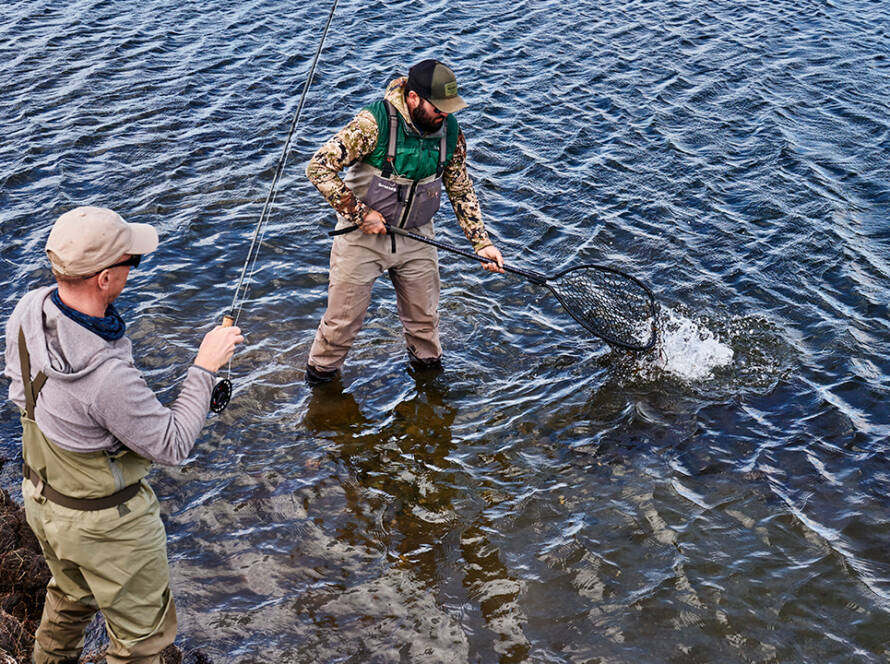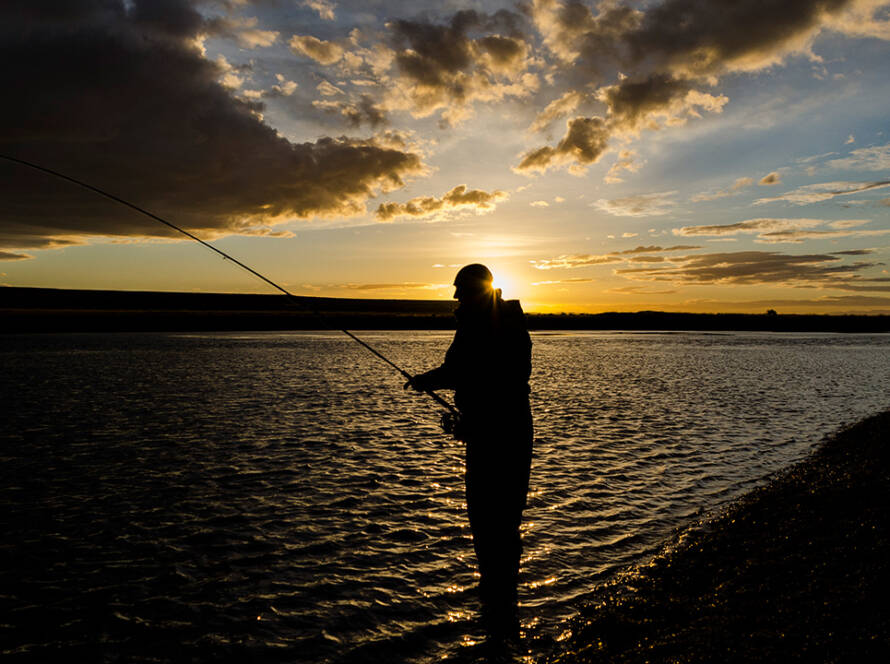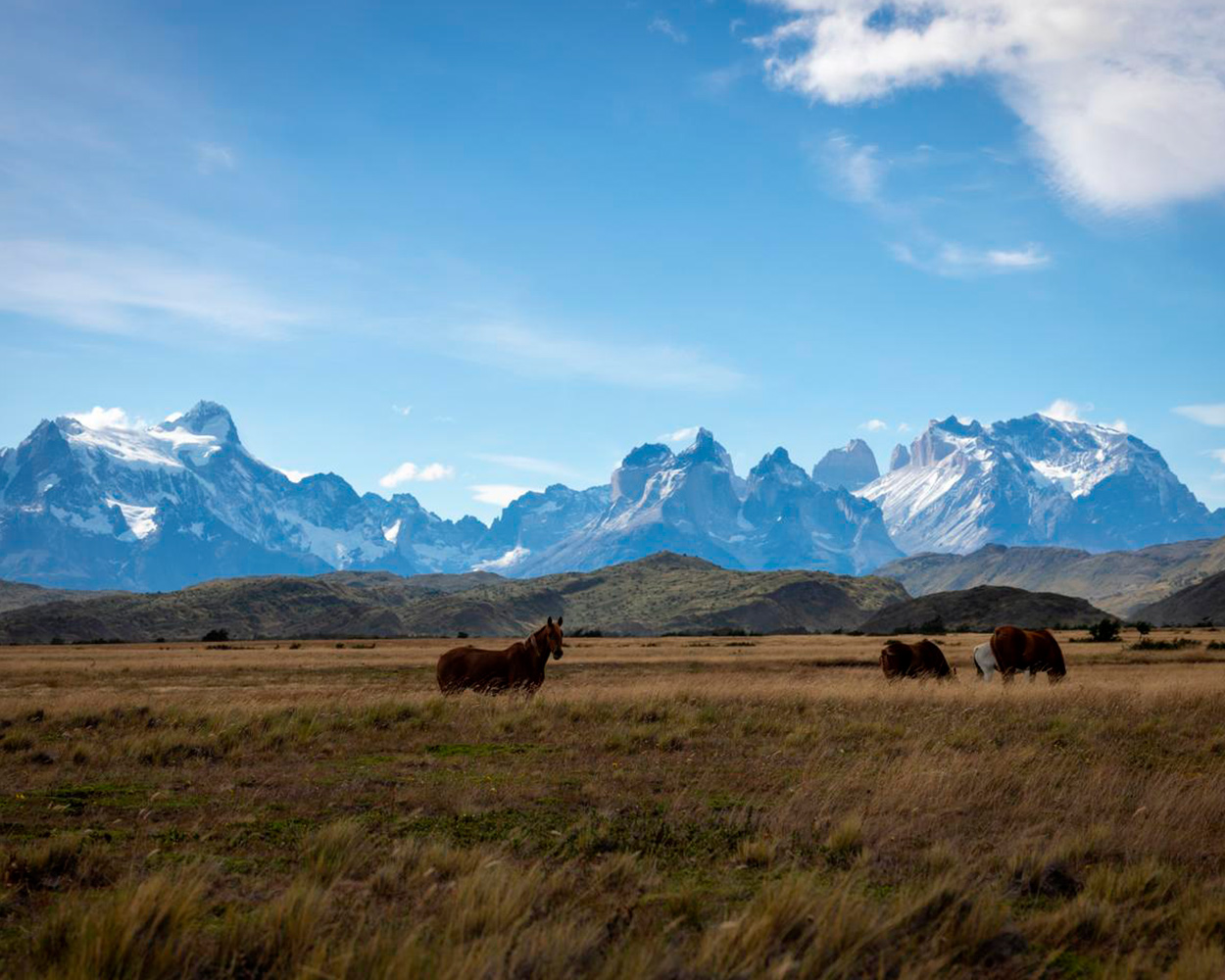
Some fishing trips are planned around a single river.
Others are built like a journey.
The Río Gallegos is strong enough to stand entirely on its own. For many anglers, a week on this Patagonian sea-run brown trout river is already a complete dream: long casts, moving water, wind, steppe, anticipation, and the possibility of connecting with one of the most powerful trout experiences in the Southern Hemisphere.
But for anglers traveling a very long distance to reach southern South America, one question naturally appears during the planning process:
What else could be added to the trip without weakening the main experience?
That is the heart of a well-designed combined fly fishing journey.
Combining the Río Gallegos with other legendary South American fisheries is not about simply adding more destinations for the sake of doing more. A strong itinerary needs logic. It needs timing. It needs contrast. It needs enough breathing room between fisheries. It needs the right sequence so each destination strengthens the next.
When done carefully, a combined trip can turn a Patagonia fishing week into a broader South American fly fishing experience, connecting sea-run brown trout with giant rainbows, steelhead, golden dorado, brook trout, or Chinook salmon depending on the season, interests, and ambition of the angler.
The key is knowing how to combine them intelligently.
Start with the Río Gallegos as the anchor
The first decision is simple: the Río Gallegos should remain the anchor of the journey.
This is especially true for anglers whose main motivation is sea-run brown trout. The Río Gallegos has its own intensity, rhythm, and emotional weight. It is not the kind of destination that should be treated as a quick stop between other waters. It deserves time, focus, and energy.
A strong combined itinerary usually begins by protecting the core experience.
That means deciding how many fishing days should be dedicated to the Río Gallegos before adding anything else. For many anglers, the main week should remain centered on the river, with any extension designed around it rather than competing against it.
This matters because travel fatigue, weather, transfers, and changing fishing styles can affect the quality of the experience. If the itinerary is overloaded, the angler may end up moving too much and absorbing too little.
The best combined trips do the opposite.
They let the Río Gallegos remain central, then add another fishery in a way that expands the story.
Choose the second fishery by contrast, not by name alone
A common mistake in destination planning is choosing the next fishery only because it is famous.
Famous water can be wonderful, but fame alone does not make a good combination. The second destination should create a meaningful contrast with the Río Gallegos. That contrast can be based on species, climate, casting style, landscape, fishing tempo, or emotional energy.
For example, pairing the Río Gallegos with Strobel Lake, also known as Jurassic Lake, creates a trout-focused Patagonia journey with two very different expressions of power. Sea-run brown trout bring movement, river reading, current, and migratory mystery. Giant rainbows at Strobel bring stillwater intensity, visual drama, and the possibility of remarkable fish in a remote high-country environment.
That combination makes sense because the species are different, the techniques are different, and the landscapes feel distinct while still belonging to the larger Patagonia imagination.
On the other hand, pairing the Río Gallegos with golden dorado on the Paraná River in Corrientes creates an even stronger contrast. Cold, windswept southern trout water gives way to warmer freshwater, aggressive surface takes, structure, explosive strikes, and an entirely different kind of fishing energy.
Neither option is better in absolute terms.
The right choice depends on what kind of story the angler wants the journey to tell.
Think in terms of fishing personality
Every angler has a fishing personality.
Some are drawn to technical trout water. Some want size above all else. Some want visual takes. Some want solitude. Some want a demanding physical challenge. Some want variety. Some want to stay within trout and salmonid territory. Others want the shock of a completely different species after several days in Patagonia.
A well-designed combined trip should reflect that personality.
An angler who wants to stay inside a cold-water salmonid world may prefer Río Gallegos plus Jurassic Lake, Río Coig, Río Santa Cruz, or Río Serrano. Those options keep the journey connected to Patagonia’s trout, steelhead, brook trout, and salmon identity.
An angler who wants maximum contrast may prefer adding golden dorado in Corrientes, where the climate, water, fishing rhythm, and takes feel dramatically different from the Río Gallegos.
An angler who wants quiet beauty and technical trout fishing may be drawn to Río Coig and its wild brook trout in a more remote Patagonian setting.
An angler who wants raw power and big-river challenge may consider steelhead on the Río Santa Cruz.
An angler who wants a dramatic final chapter may look toward Chinook salmon on the Río Serrano near Torres del Paine in Chile, where the scenery and fish create a powerful extension to a southern journey.
The right combination begins by asking what kind of angler is making the trip.
Respect the seasons
Seasonality is one of the most important parts of combining fisheries.
Each species has its own timing. Each destination has its own window. Conditions may vary across regions, and a trip that looks perfect on a map may be less effective if the timing is wrong for the fishery being added.
This is why a combined trip should never be planned as a simple checklist.
The question should not be, “How many species can we include?”
The better question is, “Which species makes the most sense during the dates of the Río Gallegos trip?”
That timing conversation is essential.
It may determine whether Jurassic Lake is the best extension, whether the Río Santa Cruz is realistic, whether dorado adds value at that moment, or whether a quieter brook trout option fits better. In some cases, the best decision may be to keep the trip focused rather than force an extension into the wrong window.
A serious combined itinerary is built around timing first, desire second, and logistics third.
All three must work together.
Decide whether the extension should come before or after Río Gallegos
The sequence matters.
Some anglers may prefer to fish the additional destination before arriving at the Río Gallegos. Others may prefer to finish their main sea-run brown trout week first and then continue toward the second fishery.
There is no universal answer.
Fishing another destination before the Río Gallegos can help an angler acclimate to travel, shake off the first layer of fatigue, and enter the main week already in fishing mode. This can work well when the first extension is manageable and does not drain too much energy.
Fishing the extension after the Río Gallegos can give the journey a strong second act. It allows the angler to remain fully focused on sea-run browns first, then move into a different species and landscape once the main experience has been completed.
The right order depends on:
- flight routes
- transfer logic
- season
- physical intensity
- species priority
- available days
- the angler’s energy and expectations
A good itinerary does not simply connect destinations.
It arranges them in the right emotional and practical order.
Avoid making the trip too crowded
More is not always better.
This is especially true in fishing travel.
A combined trip should feel expanded, not overloaded. If there are too many transfers, too many short stays, and too many changes in rhythm, the experience can lose depth. The angler may visit more places but feel less connected to each one.
For most travelers, one strong extension is often better than trying to add several fisheries at once.
A Río Gallegos week combined with one additional destination can already create a remarkable South American fishing journey. It gives the angler enough time to experience contrast without turning the trip into constant movement.
Two extensions may make sense for some anglers, especially those with more time, stamina, and budget, but it requires careful planning. The key is not to confuse quantity with value.
A well-combined trip should still feel like fishing travel, not airport travel.
Match the fishery to the desired level of intensity
Different fisheries demand different kinds of energy.
The Río Gallegos itself can be mentally and physically demanding. Wind, casting, concentration, and long days on serious water require focus. Adding another intense fishery can be thrilling, but it should be done with awareness.
A steelhead extension on the Río Santa Cruz may appeal to anglers who want raw big-river challenge and are comfortable with demanding conditions.
Jurassic Lake may attract anglers who want big rainbow trout and dramatic stillwater opportunities in a remote environment.
Golden dorado in Corrientes can bring a more explosive, warm-water shift, with powerful takes and a very different style of engagement.
Río Coig may offer a quieter, more technical trout extension with a different emotional pace.
Chinook on the Río Serrano can be a powerful and scenic option for anglers drawn to salmon and dramatic landscapes.
Each option changes the energy of the trip.
That is why the choice should be made based on the angler’s real appetite for intensity, not simply on the reputation of the fish.
Keep logistics invisible whenever possible
The best travel logistics are the ones the angler does not have to think about constantly.
That is especially important in southern South America, where distances, transfers, flights, operators, seasons, and local details can become complicated very quickly. A combined trip may involve different regions, different guides, different transportation needs, and sometimes even different countries.
This is where planning becomes a major part of the value.
A good combined itinerary should feel seamless to the guest. That does not mean the journey is simple behind the scenes. It means the complexity has been organized in advance so the angler can focus on the fishing.
Transfers, guides, connections, timing, gear expectations, communication, and destination sequence all need to work together. When they do, the trip feels fluid. When they do not, the fishing experience can suffer.
For international anglers, this is especially important. Many are traveling from the United States, the United Kingdom, Europe, or other distant markets. They are investing time, money, and expectation. The logistics should protect that investment, not consume it.
Use trusted operators for every added destination
A combined trip is only as strong as its weakest link.
This is why the added fishery should never be chosen casually. If the Río Gallegos portion is strong but the extension is poorly coordinated, the whole journey can feel uneven. Quality has to carry through every destination.
That means working with trusted, vetted operators.
Guiding quality, safety, local knowledge, transfers, communication, and hospitality all matter. A second destination should not feel like an afterthought. It should feel like a carefully chosen extension of the main trip.
This is especially important when the itinerary includes waters beyond the immediate Río Gallegos experience, such as Jurassic Lake, the Río Santa Cruz, Corrientes, Río Coig, or Río Serrano in Chile. Each destination has its own rhythm and requirements. The right local partners make the difference between a trip that merely exists on paper and a trip that works in real life.
Build the trip around a clear theme
The strongest combined trips usually have a theme.
That theme gives the journey identity.
For example:
A Patagonia trout power trip might combine Río Gallegos sea-run brown trout with Jurassic Lake rainbows.
A wild salmonid journey might connect Río Gallegos with steelhead on the Río Santa Cruz or Chinook on the Río Serrano.
A technical trout and solitude itinerary might pair Río Gallegos with brook trout on the Río Coig.
A maximum contrast South America trip might move from sea-run brown trout in Patagonia to golden dorado in Corrientes.
A bucket-list multi-species journey might be designed for an angler who wants one ambitious, carefully sequenced trip across very different fisheries.
The theme does not need to be complicated.
It simply needs to make sense.
A trip with a clear theme is easier to plan, easier to sell to a group, easier to remember, and more satisfying to live.
How Karku helps connect the Río Gallegos with other fisheries
For anglers who begin their journey at Karku, the Río Gallegos remains the heart of the experience.
Karku is located in the Laguna Colorada area of the Río Gallegos, near the well-known Estancia Las Buitreras zone, placing guests in a meaningful setting within one of Patagonia’s most respected sea-run brown trout rivers.
From there, Karku can help design a broader fishing journey by connecting the main Río Gallegos experience with carefully chosen extensions. Depending on the season and the angler’s interests, that may mean giant rainbows at Strobel/Jurassic Lake, steelhead on the Río Santa Cruz, golden dorado on the Paraná River in Corrientes, brook trout on the Río Coig, or Chinook salmon on the Río Serrano near Torres del Paine.
The advantage is not just having options.
The advantage is helping those options make sense.
Karku can advise on timing, logistics, trusted operators, route planning, and the kind of itinerary that best fits the angler’s goals. For travelers coming from far away, that coordination can turn a complicated idea into a realistic and memorable journey.
Final thoughts
Combining the Río Gallegos with other legendary South American fisheries can be one of the most rewarding ways to experience this part of the world.
But the best combined trips are not built by adding destinations randomly.
They are built by choosing the right anchor, the right contrast, the right season, the right sequence, and the right partners. They respect the Río Gallegos as the heart of the journey while allowing another fishery to expand the experience in a meaningful direction.
For some anglers, that may mean sea-run brown trout and giant rainbows.
For others, sea-run browns and golden dorado.
For others, a deeper Patagonia salmonid journey shaped by steelhead, brook trout, or Chinook.
The perfect combination depends on the person making the trip.
If you are planning a Río Gallegos fly fishing experience and want to explore how to extend it with another legendary South American fishery, discover Karku Fly Fishing Lodge and let your Patagonia journey begin with sea-run brown trout, then grow into a custom itinerary built around the species, landscapes, and fishing moments you most want to remember.