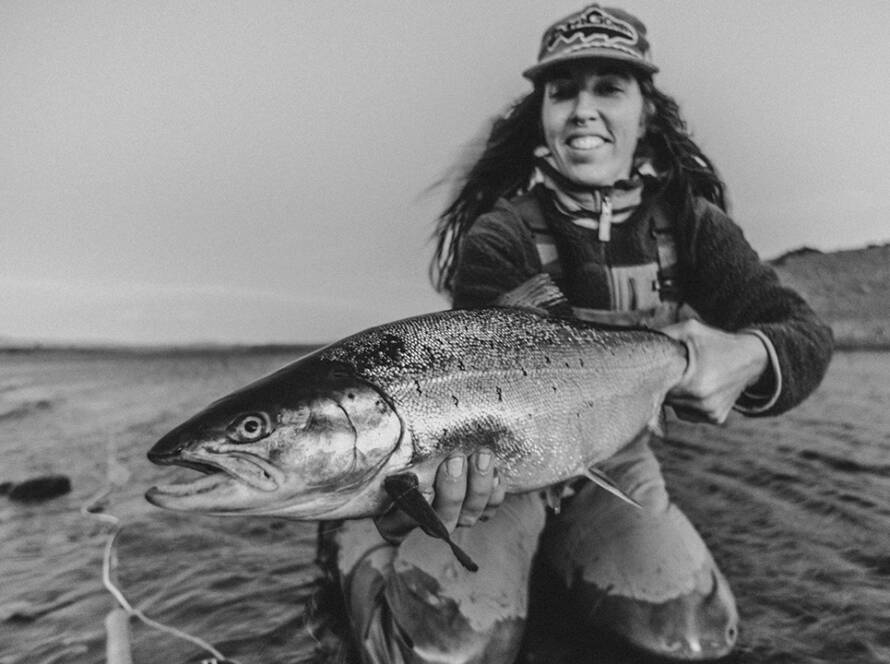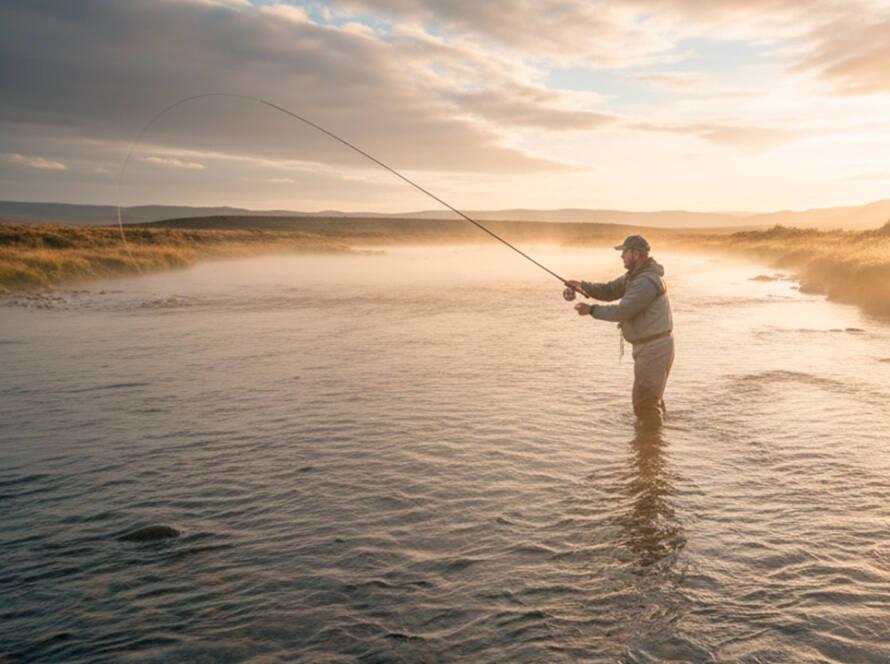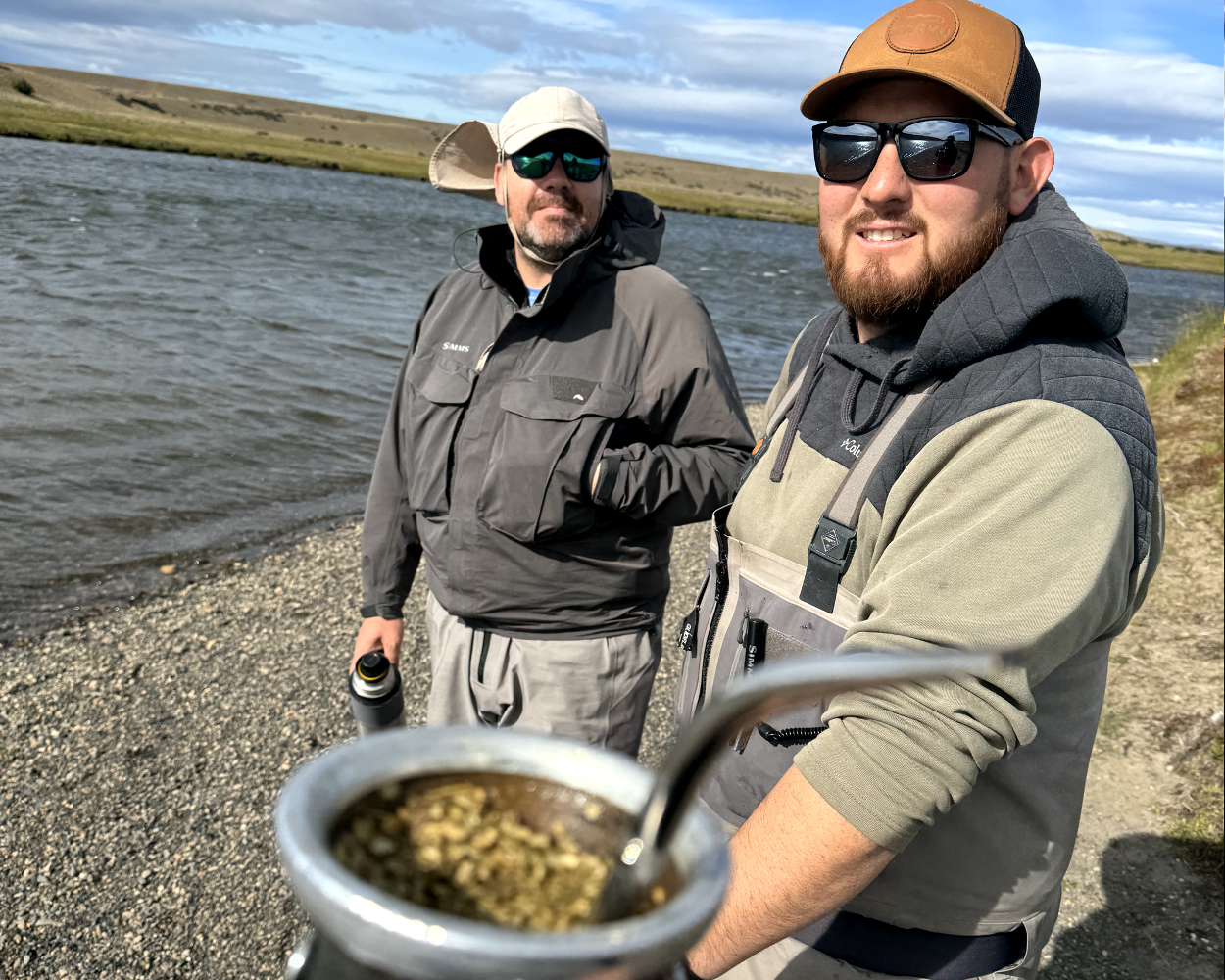
Patagonia fly fishing lodge prices can vary widely, even when two trips appear similar at first glance.
Both may offer a week of guided fishing, accommodation, meals, and transportation. Yet one lodge may cost substantially more than another.
The reason is simple: anglers are rarely paying for exactly the same product.
Fishing access, guide ratio, group size, remoteness, accommodation, logistics, season, and the level of hospitality can all influence the cost of a week.
Understanding those variables makes it much easier to judge whether a lodge price makes sense.
Fishing access is one of the biggest factors
For serious anglers, the most valuable part of a lodge package may be the water itself.
A lodge may provide access to:
- private estancia water
- controlled river sections
- rotating beats
- limited-access pools
- public fisheries
- lakes or multiple river systems
Exclusive or highly controlled access generally requires a different operating model from fishing widely accessible water.
The number of anglers sharing that access matters too.
Six anglers rotating through extensive river sections creates a very different experience from a larger group concentrating on limited water.
Before comparing prices, ask:
What water does the lodge actually provide access to?
The guide-to-angler ratio affects the cost
Professional guides are a major part of a fishing lodge operation.
Many Patagonia programs are structured around two anglers per guide, while some offer private guiding or different arrangements.
A smaller guide ratio can provide:
- more individual instruction
- faster adjustments during the day
- greater flexibility
- more personal attention
It also increases operating costs.
When comparing packages, make sure the guiding structure is equivalent. A lower price with more anglers sharing each guide may not represent the same experience.
Group size changes the lodge experience
A small lodge and a high-capacity operation have different economics.
Larger lodges can spread certain costs across more guests. Smaller operations may have fewer people contributing to the same infrastructure, vehicles, kitchen, staff, and maintenance.
But small scale can also create value that is difficult to measure on a rate sheet:
- fewer guests
- quieter common areas
- more direct contact with guides and staff
- simpler communication
- greater familiarity with individual anglers
For some travelers, this matters more than additional facilities.
Remote locations cost more to operate
Patagonia is vast.
Some lodges are relatively close to airports, roads, towns, and suppliers. Others operate far from major population centers.
Remote operations may need to transport:
- food
- beverages
- fuel
- staff
- fishing equipment
- vehicle parts
- maintenance supplies
Long transfers and difficult access can also require specialized vehicles or additional staff.
Guests may never see most of that logistical effort, but it affects the cost of operating a lodge consistently.
Accommodation can be practical or highly luxurious
Not every Patagonia fishing lodge is trying to offer the same level of hospitality.
Some are designed primarily around fishing and provide comfortable rooms, good meals, and everything necessary to recover between days on the river.
Others compete partly as luxury travel properties.
Higher-end operations may invest more heavily in:
- architecture
- larger rooms
- premium furnishings
- extensive wine programs
- sophisticated cuisine
- spa facilities
- concierge-style services
- larger hospitality teams
Those features legitimately increase the price.
The important question for the angler is whether they increase the value of their trip.
Someone who wants a luxury vacation with excellent fishing may prioritize them.
Someone focused almost entirely on the river may prefer a simpler lodge with strong fishing access and guiding.
Meals and beverages can make packages difficult to compare
Food is another area where lodge packages differ.
One operation may include all meals, wines, spirits, snacks, and beverages.
Another may include meals but charge separately for alcohol or premium selections.
The quality and complexity of the food program can also vary significantly.
When comparing prices, ask what is included rather than assuming every full-board lodge provides the same hospitality package.
Transfers may already be built into the rate
Transportation can represent a substantial operational cost.
A lodge package may include:
- airport pickup
- return transfer
- daily transportation to the river
- specialized off-road vehicles
- boats
- transfers between fishing sections
Another lodge may charge separately for some of these services.
This is why the lowest advertised rate is not always the lowest final cost.
The complete package matters more than the first number.
The target species can influence price
Different fisheries have different levels of international demand.
A destination built around a highly sought-after migratory species may operate with:
- fewer available rods
- shorter peak windows
- specialized guides
- limited access
- greater international demand
Sea-run brown trout, steelhead, and certain trophy trout destinations can therefore have different pricing structures from more widely accessible resident trout fisheries.
The species itself does not create the cost.
The combination of scarcity, access, season, infrastructure, and demand does.
Season can change the price of the same lodge
Some Patagonia lodges use one rate throughout their season.
Others charge different amounts depending on the week.
Factors may include:
- historical fishing conditions
- demand
- holiday periods
- migration timing
- availability
A prime week may therefore cost more than an early- or late-season date at exactly the same operation.
When requesting a quote, ask whether the rate changes during the season.
Single occupancy can affect the final price
Many fishing packages are built around double occupancy and two anglers sharing a guide.
Solo travelers may encounter:
- single-room supplements
- private guide charges
- minimum occupancy requirements
- different transfer costs
Similarly, groups may receive a different structure depending on their size.
This is another reason published “per person” prices should never be interpreted without understanding the assumptions behind them.
What is included can matter more than the headline price
Before comparing two lodge rates, put the packages side by side.
Check:
- number of nights
- full fishing days
- guide ratio
- fishing access
- meals
- beverages
- airport transfers
- fishing transportation
- licenses
- laundry
- equipment
- flies
- single occupancy
- taxes or other fees
Only then are you comparing equivalent products.
A higher starting rate may include several expenses that another lodge charges separately.
Price and value are not the same thing
A more expensive lodge can be excellent value for the right guest.
A less expensive operation can also be excellent value.
The difference depends on priorities.
One angler may want:
- luxury accommodation
- fine dining
- extensive wine
- premium facilities
Another may prioritize:
- excellent water
- experienced guides
- fewer guests
- direct communication
- a fishing-first atmosphere
Neither traveler is wrong.
The best value occurs when the lodge spends its resources on the things that matter most to the guest.
Where Karku fits
Karku follows a smaller-scale model centered on sea-run brown trout fishing on the Río Gallegos.
The emphasis is on the river, local guiding, direct communication, and a personal lodge environment rather than building the experience around luxury for its own sake.
Because pricing can depend on dates, group configuration, availability, and the type of trip being planned, current rates are provided directly.
That allows anglers to evaluate the complete experience rather than comparing Karku through a single static number.
Final thoughts
The cost of a Patagonia fly fishing lodge week is determined by much more than accommodation.
Fishing access matters.
Guide ratio matters.
Group size matters.
Remoteness matters.
Hospitality matters.
Transfers, season, occupancy, and package inclusions matter.
That is why two lodges targeting trout in Patagonia can have very different prices without one necessarily being overpriced or the other automatically offering better value.
Before choosing, understand where the money is going and decide whether those are the parts of the trip you personally value.
For anglers considering sea-run brown trout on the Río Gallegos, contact Karku Fly Fishing Lodge for current availability, package details, and pricing based on your dates and group.