Ten days is enough time to build a serious Patagonia fly fishing trip without turning the journey into a race.
For anglers traveling primarily to fish the Río Gallegos, the best use of those days is usually straightforward: give the river the majority of the itinerary, leave enough margin for international travel, and add one complementary Patagonia experience rather than trying to visit every famous destination in the region.
A strong 10-day plan can combine:
Río Gallegos sea-run brown trout + southern Patagonia landscapes + El Calafate and the Perito Moreno Glacier.
The result gives the angler a complete fishing week and still allows time to experience another side of Santa Cruz Province.
Why 10 days works well
Patagonia rewards travelers who avoid overplanning.
Distances are large, weather can influence transportation, and international visitors may already have spent many hours reaching southern Argentina.
Trying to combine Río Gallegos, Jurassic Lake, El Calafate, El Chaltén, and Torres del Paine in ten days would create more transfers than experiences.
A better strategy is:
one primary fishery + one meaningful extension.
For a first Río Gallegos trip, that balance works particularly well.
Day 1: Arrive in Río Gallegos
Use the first day to arrive, recover, organize equipment, and make sure everything needed for the fishing week is ready.
Depending on flight schedules and the lodge transfer, this may be a short transit day or provide enough time to explore part of Río Gallegos.
The city sits beside the Río Gallegos estuary and can offer a relaxed introduction to southern Patagonia. The provincial tourism authority highlights the waterfront, estuary, birdlife, museums, and nearby estancia country among the area’s attractions. Santa Cruz Patagonia
Avoid filling this day with a demanding excursion.
After international and domestic travel, rest has value.
Useful first-day priorities
- confirm fishing gear
- reorganize luggage
- meet the transfer schedule
- buy any forgotten personal items
- walk along the waterfront if time allows
- sleep properly before fishing begins
The objective is to reach the river ready rather than exhausted.
Days 2–7: Fish the Río Gallegos
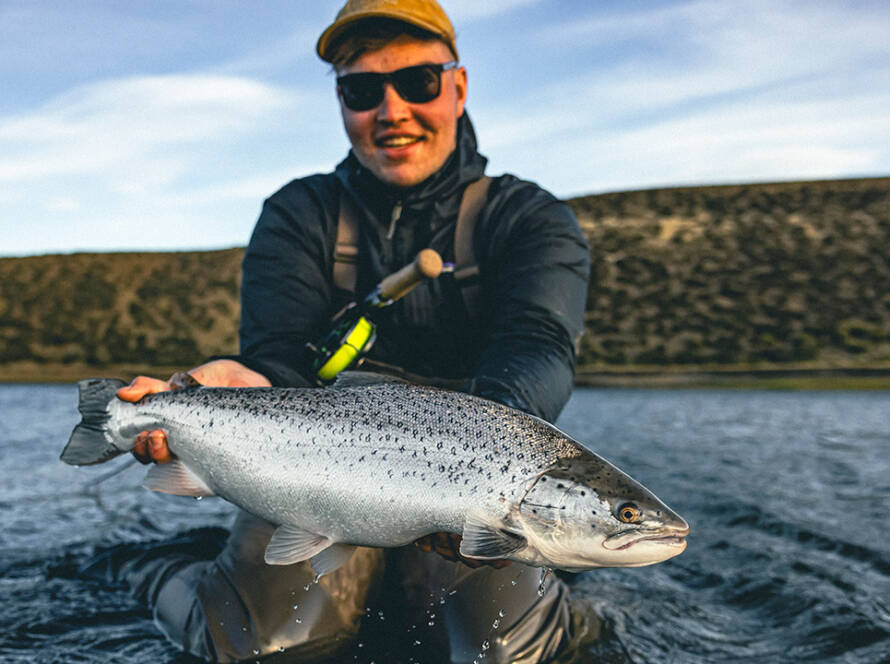
The central six days belong to sea-run brown trout.
Giving the Río Gallegos a complete block of time is important because migratory trout fishing changes constantly.
During the week, anglers may experience different:
- water levels
- wind directions
- light conditions
- sections of river
- fly presentations
- depths
- fish movement
One difficult session tells very little about an entire fishery.
Several consecutive days allow the angler to understand the river and adapt.
What changes as the week progresses
The first day may involve learning the fishing style.
By the middle of the week, casting becomes more efficient, line management improves, and the angler begins recognizing the types of water the guide is targeting.
By the final days, decisions that initially required explanation may begin to feel intuitive.
That learning curve is one reason a full fishing week offers more value than trying to squeeze the Río Gallegos into a short visit.
Do not schedule sightseeing during the fishing days
This is a simple but important point.
If you have traveled internationally to fish the Río Gallegos, protect those days.
Trying to leave the river early for tourism or adding excursions between fishing sessions usually weakens both parts of the trip.
The fishing week should remain the fishing week.
Shared travel, sightseeing, and longer excursions fit much better before or after it.
This is especially relevant for couples where only one person fishes.
The angler can stay focused on the river while the broader Patagonia experience becomes a separate stage of the journey.
Day 8: Río Gallegos to El Calafate
After the fishing week, change environments completely.
El Calafate is the most logical major tourism extension within Santa Cruz for a short itinerary. It sits on Lago Argentino and serves as the principal gateway to the southern sector of Los Glaciares National Park and the Perito Moreno Glacier. Santa Cruz Patagonia
This day should primarily be treated as a travel and transition day.
After several intensive fishing days, there is little benefit in rushing directly into another major activity.
Arrive, check in, have dinner, and enjoy the change of scenery.
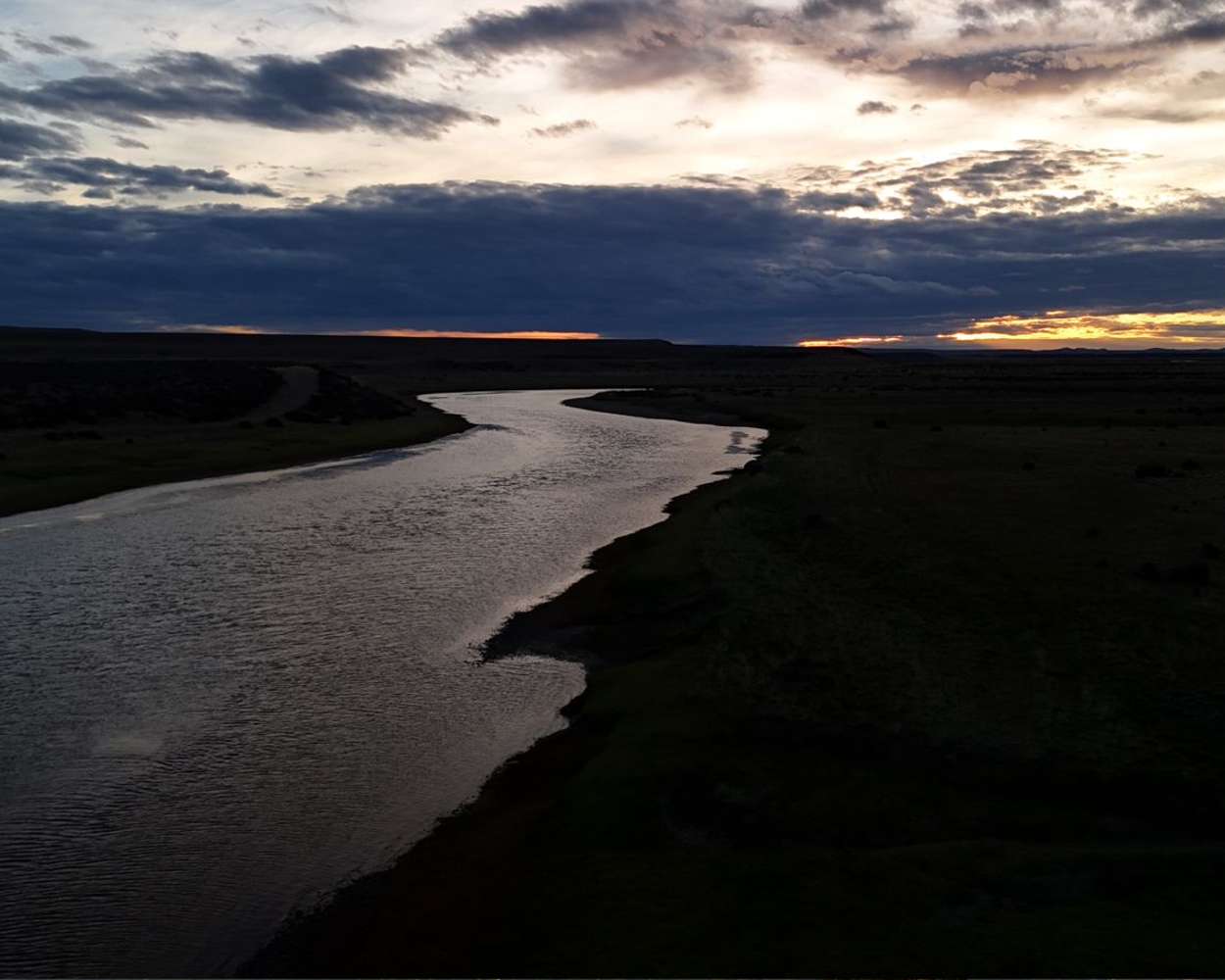
You have moved from the Patagonian steppe and sea-run trout country toward glaciers, mountains, and enormous Andean lakes.
That contrast makes the extension worthwhile.
Day 9: Perito Moreno Glacier
Dedicate the ninth day to the glacier environment.
Perito Moreno is the obvious choice for a short first visit because it delivers something completely different from the fishing week.
Depending on the type of experience selected, visitors can explore the glacier from established viewpoints or consider activities and excursions operating around Los Glaciares National Park. El Calafate also supports glacier navigation, trekking and other outdoor activities. Santa Cruz Patagonia
For an angler, this day serves another purpose.
It prevents the entire memory of Patagonia from becoming confined to the river.
Within the same trip you experience:
Atlantic-connected river → open steppe → Andean lake → glacier landscape.
That is an enormous amount of geographical contrast for ten days.
Day 10: Depart or begin the journey home
Keep the final day simple.
Depending on the flight itinerary, depart from El Calafate or use the day to begin the connection back through Buenos Aires.
Avoid designing the trip around a connection that requires every transfer to operate perfectly.
International anglers should confirm current flights and transfer requirements before committing to the final sequence.
A slightly more comfortable itinerary is usually more valuable than squeezing one additional activity into the final morning.
Why not add Jurassic Lake?
Jurassic Lake is an outstanding complement to the Río Gallegos—but ten days is tight.
Combining sea-run brown trout with giant rainbow trout can make an excellent dedicated fishing itinerary, but it requires additional transfers and another lodge program.
If the purpose of the ten-day trip is maximum fishing, Río Gallegos + Jurassic Lake can be considered instead of El Calafate.
If the purpose is a first Patagonia trip with fishing plus travel, the Río Gallegos + El Calafate structure is usually more balanced.
Trying to include all three sacrifices too much time to movement.
Why not include El Chaltén too?
El Chaltén is another excellent southern Patagonia destination, particularly for hiking.
But again, ten days imposes limits.
Adding it after El Calafate creates another travel segment and leaves very little time to enjoy the destination properly.
For travelers with approximately two weeks, a sequence such as:
Río Gallegos → El Calafate → El Chaltén
becomes much more attractive.
For ten days, stopping at El Calafate keeps the itinerary cleaner.
An alternative 10-day plan with more local Patagonia
Not every traveler needs a glacier extension.
A second version could remain closer to Río Gallegos:
Day 1: Arrive in Río Gallegos
Days 2–7: Río Gallegos fishing week
Day 8: Local rest / estuary / city
Day 9: Laguna Azul or Cabo Vírgenes area
Day 10: Departure
This itinerary requires less movement and works well for travelers who value wildlife, Atlantic landscapes, photography, or a slower pace.
Río Gallegos tourism officially highlights Cabo Vírgenes, Laguna Azul, Punta Loyola, estancia experiences, the estuary, and regional wildlife among local attractions. Santa Cruz Patagonia
What if only one person fishes?
The 10-day format also works particularly well for couples.
One practical structure is:
Fishing partner: full Río Gallegos week.
Shared portion: Río Gallegos arrival + El Calafate extension.
This is often better than trying to invent daily entertainment around a remote fishing lodge for someone who has no interest in fishing.
The shared vacation has its own destination and purpose.
The fishing retains its focus.
Everyone gets a genuine Patagonia experience.
What should be booked first?
Build the itinerary in this order:
- Fishing week
- Karku transfer requirements
- International and domestic flights
- El Calafate accommodation
- Glacier activities
- Travel insurance and final logistics
Do not begin by booking sightseeing and then try to force the fishing week around it.
The fishery is the least flexible part of the plan.
Everything else should support it.
Final thoughts
The perfect 10-day Patagonia fly fishing itinerary does not need five destinations.
It needs good priorities.
Give the Río Gallegos enough time to reveal itself.
Leave room for travel.
Then add one experience that changes the landscape completely.
For many first-time visitors, six focused fishing days followed by El Calafate and the Perito Moreno Glacier create an excellent balance between serious fly fishing and experiencing southern Patagonia beyond the river.
For anglers planning a Río Gallegos week, contact Karku Fly Fishing Lodge to confirm current fishing dates, transfer arrangements, and how the fishing portion can fit into a broader 10-day Santa Cruz itinerary.