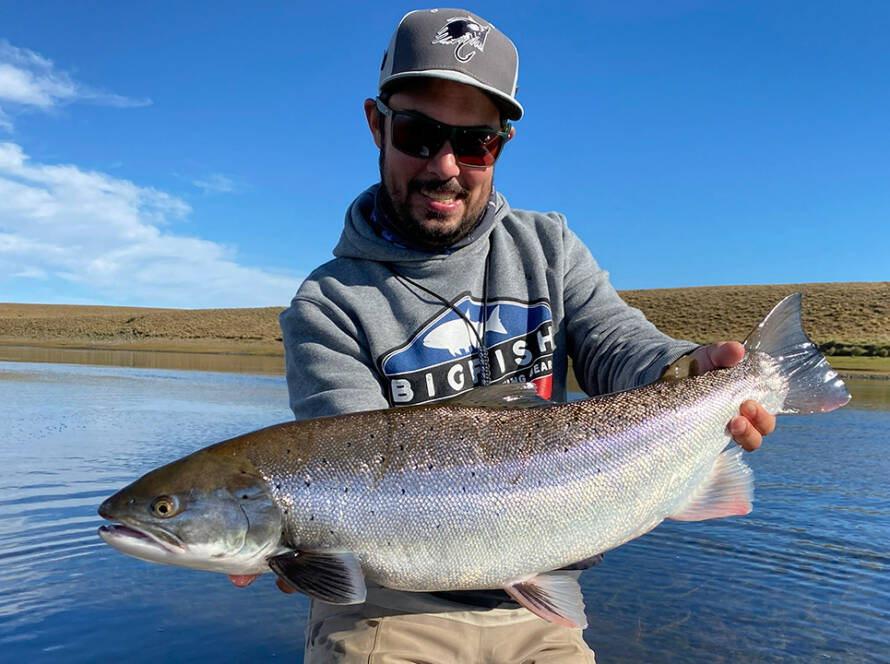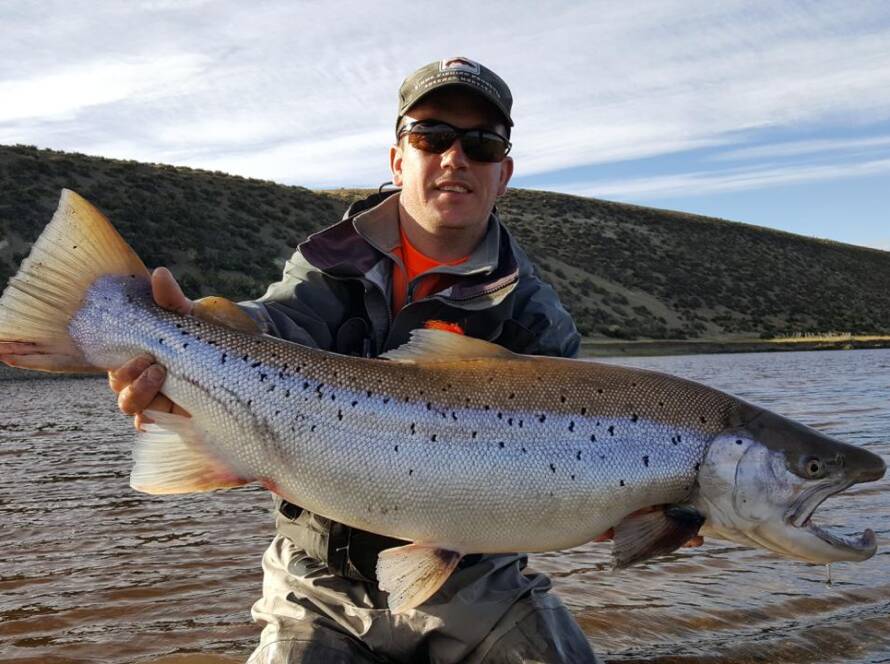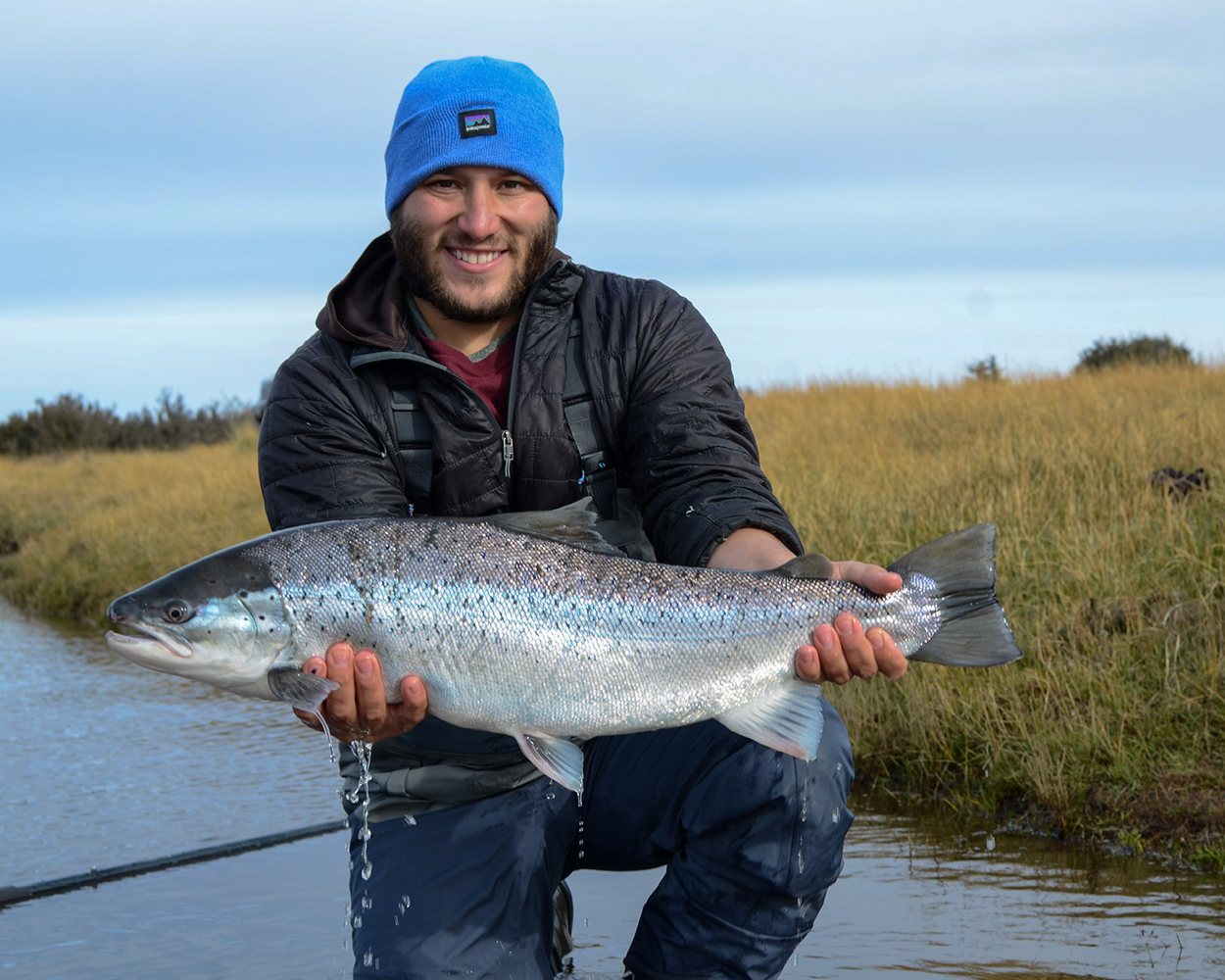
A fly fishing trip to Patagonia is never measured only by the number of days on the calendar.
For most international anglers, it is a serious investment: long flights, careful planning, specialized gear, time away from work or family, and the hope of experiencing one of the great fishing landscapes in the world. Whether the goal is sea-run brown trout, wild rainbows, brook trout, steelhead, dorado, or a broader South American itinerary, the real question is always the same:
How do you make the trip worth everything it takes to get there?
Getting more value from a Patagonia fly fishing trip does not always mean making the trip longer, more expensive, or more complicated. In many cases, it means making better decisions before you arrive.
The right lodge, the right timing, the right expectations, the right gear, the right number of fishing days, and the right itinerary structure can dramatically change the quality of the experience. Patagonia rewards anglers who plan with intention. It can also punish trips built around vague excitement and poor logistics.
The good news is that value can be designed.
Here is how to think about it.
Define what “value” means before choosing the trip
The first mistake many anglers make is assuming that value means getting the lowest price.
In destination fly fishing, value is more complex.
A cheaper trip can become expensive if it loses fishing time, creates logistical stress, offers poor access, lacks reliable guidance, or leaves the angler feeling that the experience did not match the effort of getting there. A higher-priced trip can represent better value if it protects time, improves access, reduces uncertainty, and creates a stronger overall experience.
Before choosing a Patagonia trip, ask a better question:
What would make this journey feel successful?
For one angler, value may mean the best possible chance at sea-run brown trout. For another, it may mean a quieter lodge, fewer guests, and a more personal atmosphere. For another, it may mean combining more than one fishery in a single journey. For someone traveling with a partner, comfort and scenery may matter as much as fishing intensity.
A good trip begins with clear priorities.
Without them, every offer starts to sound similar.
Protect your actual fishing days
One of the biggest hidden costs in Patagonia travel is lost time.
International anglers often look at the total length of a trip and assume that most of it will be spent fishing. In reality, flights, connections, transfers, arrival timing, weather, recovery, and departure logistics can reduce the number of useful fishing days.
This is why a smart itinerary starts with the calendar.
Count the real fishing days, not just the total days away from home. Look at arrival time. Consider whether you will be rested enough to fish well on the first day. Think about how much energy the transfer requires. Leave room for practical realities instead of building a schedule that looks perfect on paper and feels exhausting in real life.
Fishing time is the core value of the trip.
The more carefully it is protected, the stronger the journey becomes.
For anglers traveling to the Río Gallegos, this matters even more. Sea-run brown trout fishing asks for focus, patience, and physical presence. Arriving tired, rushed, or poorly prepared can affect the whole week.
Choose the right destination for your main goal
Patagonia is not one single fishing experience.
That is part of its beauty.
A trip centered on sea-run brown trout is different from a trip focused on giant rainbows. A remote brook trout extension has a different pace from a golden dorado adventure farther north. A steelhead or Chinook option brings another type of energy altogether.
The best value comes from matching the destination to the main goal.
If your dream is sea-run brown trout, choose a place where that experience is central, not secondary. If you want a broader adventure, design the trip around species variety. If you want comfort and a more personal rhythm, pay attention to lodge scale and atmosphere. If you want maximum fishing intensity, look closely at access, guiding structure, and number of days on the water.
Many disappointing trips happen because the angler chooses a destination for its reputation without asking whether it matches the experience he actually wants.
Reputation matters.
Fit matters more.
Pay attention to lodge location
In Patagonia, location is not a minor detail.
A lodge’s setting affects the daily rhythm, the feeling of the landscape, the ease of access, the kind of water being fished, and the emotional identity of the trip. Two lodges can mention the same river while offering very different experiences based on where they are situated and how the fishing is organized.
For anglers interested in the Río Gallegos, geographic context is especially useful.
Karku is located in the Laguna Colorada area of the Río Gallegos, near the well-known Estancia Las Buitreras zone. That gives anglers a clearer sense of the river environment they are coming to fish and helps place the experience within one of Patagonia’s respected sea-run brown trout landscapes.
This kind of context adds value before the trip even begins.
It helps the angler understand the destination with more precision, compare options more intelligently, and avoid choosing based only on broad promotional language.
Ask what is included and what is not
A trip can look straightforward until the details appear.
Before comparing prices, understand exactly what each package includes. Lodging, meals, transfers, guiding, fishing days, licenses, tackle, flies, alcohol, laundry, tips, internal flights, and private transportation can all affect the real cost of the journey.
Value is easier to judge when the offer is clear.
A slightly cheaper package may become less attractive once missing costs are added. A more complete package may be easier to plan, especially for international anglers who want fewer surprises after arrival.
Ask practical questions before booking:
Are transfers included?
How many guided fishing days are included?
Are meals included?
Are licenses separate?
What gear should I bring?
Are flies available?
How much should I budget for tips?
What is the daily rhythm?
What happens if weather changes the plan?
A serious destination trip deserves clear answers.
Prepare your gear around the actual fishing
Good gear planning creates value because it protects performance.
Patagonia is demanding. Wind, long casts, changing temperatures, and remote settings make preparation important. Bringing the wrong gear can reduce fishing quality. Bringing too much gear can create travel complications.
The goal is not to pack everything.
The goal is to pack correctly.
For a Río Gallegos sea-run brown trout trip, anglers should think carefully about rods, reels, lines, leaders, waders, boots, layers, gloves, eyewear, and weather protection. If the itinerary includes an additional fishery, gear planning becomes even more important. A golden dorado extension, for example, has different tackle requirements from a Patagonia trout extension.
This is where pre-trip communication with the lodge becomes valuable.
The more specific the guidance, the better the angler can prepare.
Arriving with the right setup helps the trip start smoothly and keeps the focus where it belongs: on the water.
Be honest about your fishing level
Patagonia attracts experienced anglers, but it is also a dream destination for people still developing their skills.
Both can have excellent trips.
The difference is preparation and honesty.
An angler who overestimates his casting ability, wading comfort, or physical endurance may feel frustrated once conditions become demanding. An angler who communicates clearly before the trip gives the lodge and guides a better chance to support him well.
Value increases when expectations are aligned.
If you are new to certain techniques, say so. If wind casting is a challenge, prepare in advance. If you prefer instruction, ask about guiding style. If you are physically limited, mention it before arrival. If you want independence, communicate that as well.
A good trip is not built around pretending.
It is built around matching the experience to the angler.
Consider whether a Combo Trip makes sense
For some international travelers, one of the best ways to get more value from Patagonia is to add a carefully chosen extension.
This does not mean adding more destinations automatically.
It means asking whether a second fishery can strengthen the trip.
For guests fishing the Río Gallegos with Karku, Karku Combo Trips can help connect the main sea-run brown trout experience with other South American fisheries when the timing, route, and travel goals make sense. Depending on the season and angler profile, that could mean large rainbows at Strobel/Jurassic Lake, steelhead on the Río Santa Cruz, golden dorado in Corrientes, brook trout on the Río Coig, or Chinook salmon near Torres del Paine.
A Combo Trip can add value when:
- the angler already has enough travel days
- the second fishery fits the season
- the route is realistic
- the species adds a meaningful contrast or continuation
- the extension does not weaken the main trip
- trusted operators are involved
It may not add value if the schedule is too tight, the budget is stretched, or the added movement creates too much fatigue.
The best extension is the one that makes the journey stronger.
Do not confuse variety with value
More species, more lodges, and more destinations can sound attractive during planning.
But variety only adds value when the trip can absorb it.
A crowded itinerary may leave the angler tired, rushed, and less connected to each place. Patagonia rewards time. It rewards attention. It rewards the ability to settle into the water, understand the pace, and give each fishery enough space to reveal itself.
For many travelers, a focused week at the right lodge will be more valuable than a complicated route with too many short stops.
For others, a two-part itinerary may be ideal.
The key is deciding with discipline.
Every additional destination should earn its place.
Use the lodge as a source of knowledge, not just accommodation
A good fishing lodge is more than a place to sleep.
It should help the angler understand the destination, prepare correctly, and make better decisions before and during the trip. This is especially valuable in Patagonia, where distance, weather, timing, and local knowledge all matter.
When evaluating a lodge, pay attention to communication.
Do they answer clearly?
Do they understand international travelers?
Do they provide realistic preparation guidance?
Do they help explain the fishing, not just sell it?
Do they offer useful advice about timing, gear, transfers, and expectations?
This kind of support creates value because it reduces uncertainty.
For anglers traveling far from home, confidence before arrival is part of the experience.
Leave room for Patagonia to be Patagonia
Planning matters, but Patagonia will never be completely controlled.
Wind can change the day. Fish can humble excellent anglers. Weather can shift quickly. The best trips are planned carefully but lived with flexibility.
This is an important part of getting more value from the journey.
An angler who arrives expecting a guaranteed outcome may miss what makes Patagonia powerful. An angler who arrives prepared, focused, and open to the conditions will often experience the place more fully.
Value is not only measured by the largest fish.
It is measured by the quality of the week: the water, the landscape, the guide conversations, the lodge rhythm, the moments of effort, the close calls, the successful fish, and the feeling of having entered a real Patagonian fishing environment.
The more flexible the mindset, the richer the trip becomes.
Think about the trip after the fishing day ends
Fishing is the center of the journey, but the lodge experience still matters.
After long days on the water, anglers need rest, warmth, food, conversation, and a setting that supports the rhythm of the week. A lodge that feels calm, personal, and well connected to the fishery can make the whole trip feel more complete.
This is especially true for travelers who come a long way.
The non-fishing hours should not feel like an afterthought. They are where the day is absorbed, where plans are adjusted, where stories settle, and where the angler recovers for the next session.
The best value comes when the fishing and lodge experience work together.
A strong river with a weak surrounding experience can still produce good fishing, but the trip may feel incomplete. A well-matched lodge helps the entire journey hold together.
Build the trip around real communication
Many problems in destination travel come from assumptions.
The angler assumes something is included.
The lodge assumes the angler understands the conditions.
The traveler assumes transfers are simple.
The guide assumes the guest has certain skills.
The guest assumes the itinerary will feel easier than it does.
Clear communication prevents many of these issues.
Before traveling, ask the questions that matter. Share your expectations. Mention your experience level. Confirm logistics. Discuss gear. Ask about the daily schedule. If considering a Combo Trip, talk honestly about available days, budget, species interests, and tolerance for travel.
Good communication does not make the trip less adventurous.
It makes the adventure work better.
Final thoughts
Getting more value from a fly fishing trip to Patagonia is not about doing everything.
It is about doing the right things well.
Choose the destination that matches your main goal. Protect real fishing days. Understand what is included. Prepare your gear properly. Be honest about your experience level. Consider a Combo Trip only when it strengthens the journey. Avoid overloading the itinerary. Work with a lodge that communicates clearly and understands the needs of international anglers.
For those drawn to the Río Gallegos, Karku offers a strong base in the Laguna Colorada area, near the well-known Estancia Las Buitreras zone, with the possibility of building a broader South American fishing itinerary through Karku Combo Trips when the timing and traveler profile make sense.
A Patagonia fly fishing trip should feel worth the distance.
With the right planning, it can.
If you are planning a serious fly fishing journey to Patagonia and want to make your time, budget, and fishing days count, discover Karku Fly Fishing Lodge and explore a Río Gallegos experience designed to help international anglers get more from every part of the trip.