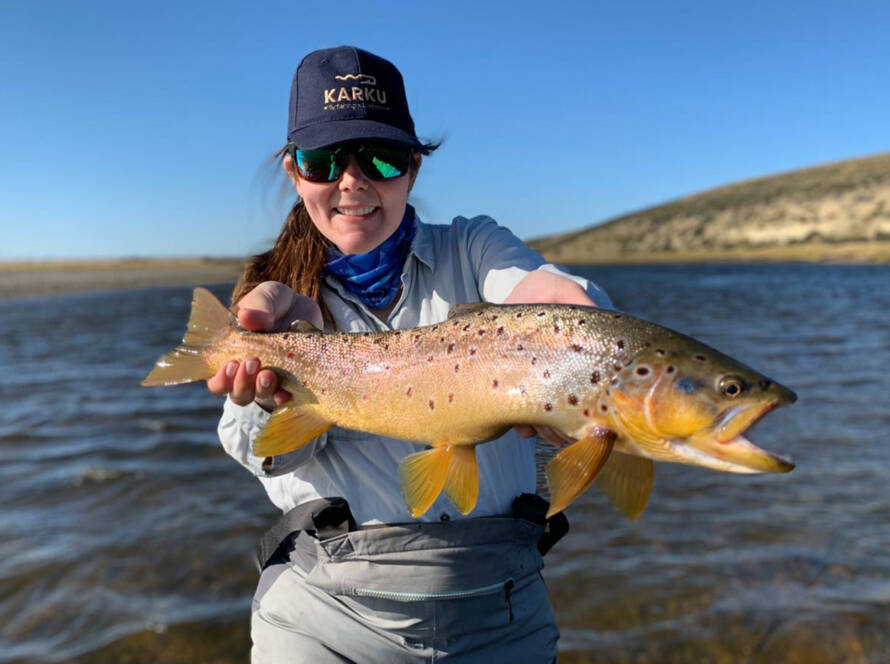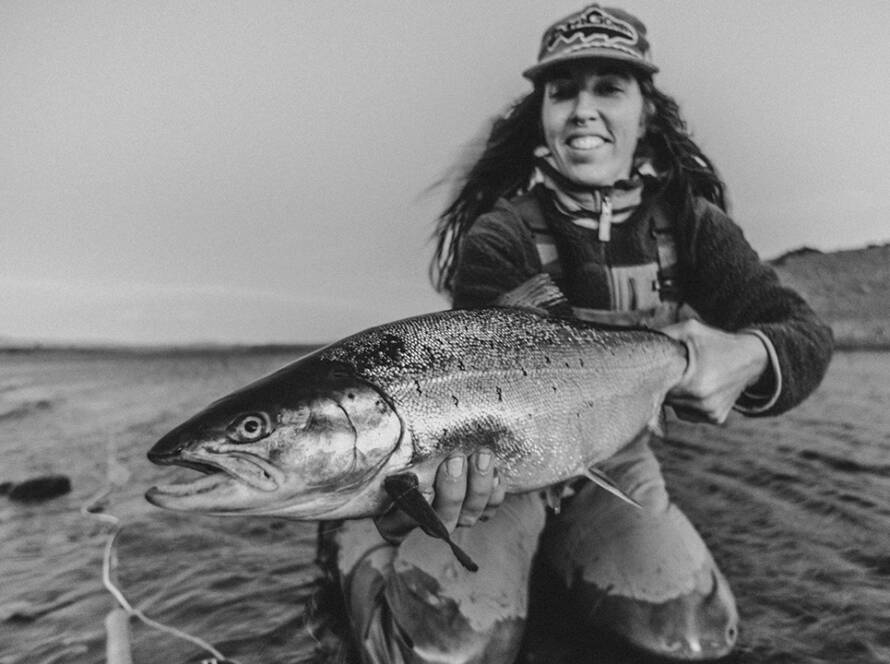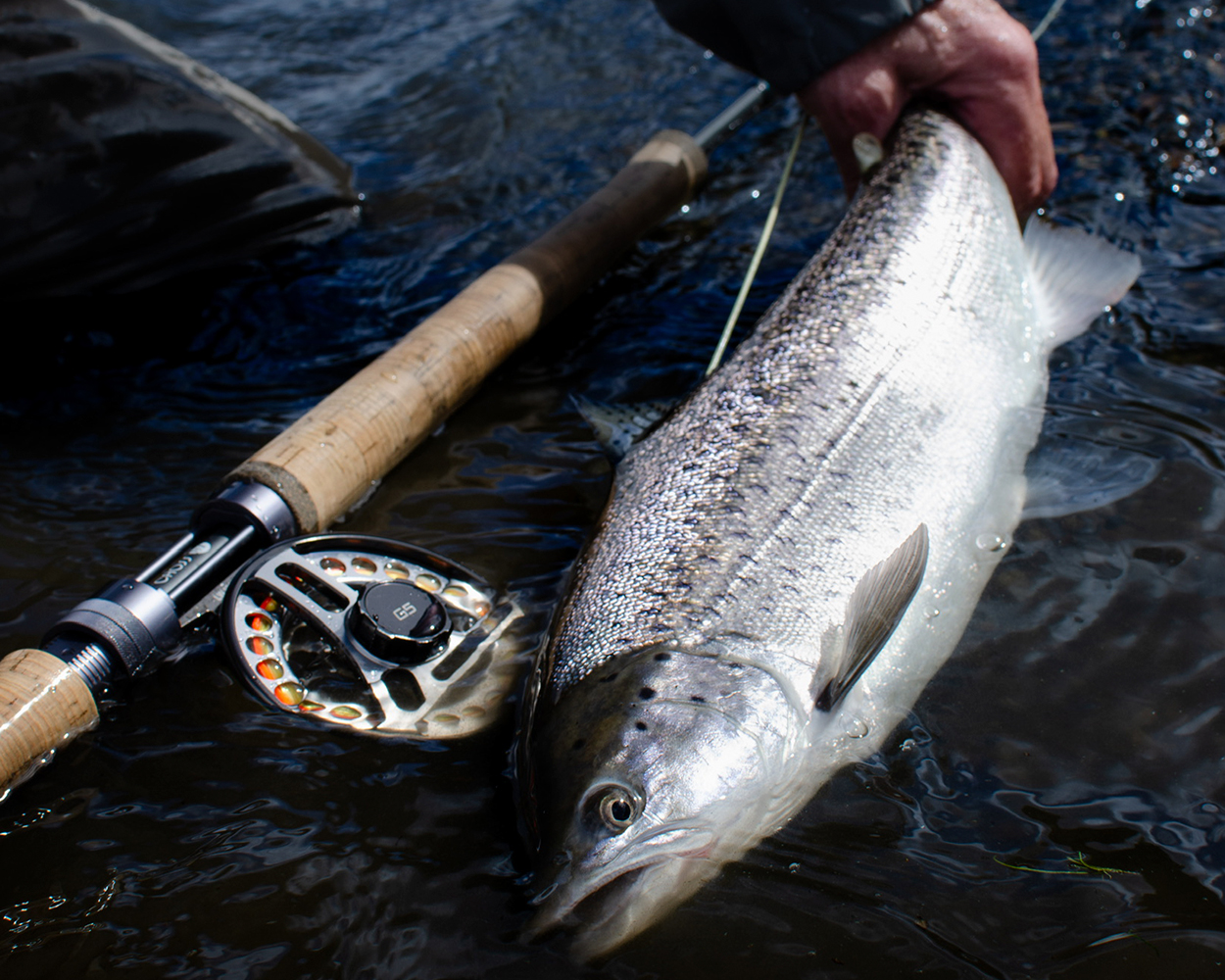
A Río Gallegos fly fishing trip already has a clear main character: sea-run brown trout.
That is the fish most anglers come for. It is the reason they travel to southern Patagonia, prepare for wind, bring heavier trout setups, and dedicate serious fishing days to one of Argentina’s most respected sea-run brown trout rivers.
But for many traveling anglers, especially those coming from far away, the Río Gallegos can also become the starting point for a larger fishing journey.
Once the main week is planned, the next question becomes practical:
Which species makes the best addition to a Río Gallegos fly fishing trip?
The answer depends on the kind of experience you want after, before, or around your main sea-run brown trout week. Some anglers want another trout experience. Some want a stronger challenge. Some want a completely different climate and fishing style. Some want a quieter second chapter. Others want a bold, memorable finish.
This guide is designed to help you choose the best species to combine with a Río Gallegos trip based on fishing style, contrast, travel profile, and the kind of memory you want to bring home.
Start with the kind of trip you want
Before choosing a second species, it helps to define the purpose of the extension.
Do you want the trip to stay focused on trout?
Do you want a completely different species?
Do you want more visual action?
Do you want a technical, quieter experience?
Do you want a demanding migratory fish?
Do you want something scenic and dramatic?
The best species is not always the most famous one. It is the one that fits your dates, your route, your energy, and your fishing personality.
For anglers staying at Karku, the Río Gallegos remains the foundation of the experience. Karku is located in the Laguna Colorada area of the Río Gallegos, near the well-known Estancia Las Buitreras zone. From that base, Karku Combo Trips can help anglers explore whether another South American fishery makes sense as part of the journey.
Here is a practical way to think through the main options.
If you want another big trout experience: rainbow trout at Strobel / Jurassic Lake
Best for: anglers who want to stay in the trout world while changing the type of water and fishing style.
Strobel Lake, widely known as Jurassic Lake, is one of the most recognizable rainbow trout destinations in Patagonia. For anglers whose main passion is trout, this can be one of the most natural species to combine with a Río Gallegos trip.
The reason is simple: the trip remains trout-centered, but the experience changes.
The Río Gallegos is a river experience. It asks anglers to read current, handle wind, cover water carefully, and stay ready for sea-run brown trout that may appear after long quiet stretches. Jurassic Lake rainbows create a different kind of trout opportunity, often associated with stillwater fishing, open landscapes, and large fish in a different Patagonian setting.
This combination works well for anglers who want variety without leaving the trout universe.
Choose this species if:
- You want a Patagonia trout-focused itinerary.
- You are especially interested in large rainbow trout.
- You want a second fishery that feels different but still connected to trout fishing.
- You prefer a cold-water extension rather than a warm-water contrast.
- You want a strong bucket-list trout pairing.
Think twice if:
- You want a completely different fishing style.
- You prefer moving water over stillwater.
- You have limited extra days and need the simplest possible extension.
- You are looking for maximum contrast rather than trout continuity.
If you want explosive contrast: golden dorado in Corrientes
Best for: anglers who want the second species to feel completely different from the Río Gallegos.
Golden dorado change the entire energy of a trip.
After fishing cold southern trout water, dorado in Corrientes can feel like entering another fishing world. The water is warmer, the takes can be aggressive, the fish are predatory, and the style often feels more visual and reactive. For anglers who want contrast, dorado may be the most dramatic species to combine with a Río Gallegos trip.
This option makes sense for travelers who do not want the extension to feel like “more trout.” It creates a broader South American fly fishing experience.
A Río Gallegos and dorado combination can be especially attractive for anglers who enjoy switching techniques and adapting quickly. The mental shift is part of the appeal.
Choose this species if:
- You want a totally different fish after sea-run brown trout.
- You enjoy aggressive takes and predator fishing.
- You want a warm-water extension.
- You like the idea of combining Patagonia with another side of Argentina.
- You want a trip with strong species contrast.
Think twice if:
- You want the whole itinerary to stay inside Patagonia.
- You prefer trout and salmonids only.
- You want minimal gear changes.
- You are not interested in warmer climates or different tactics.
- Your available dates make the extension difficult to coordinate.
If you want migratory power and challenge: steelhead on the Río Santa Cruz
Best for: anglers who want the trip to stay serious, demanding, and centered on powerful migratory fish.
Steelhead on the Río Santa Cruz can appeal to anglers who are drawn to big water and strong fish. This is not usually the softest or easiest extension. It is better suited to travelers who like challenge and who understand that demanding fishing can be part of the reward.
As a species pairing, steelhead make sense because they continue the migratory-fish theme. After fishing for sea-run brown trout on the Río Gallegos, the angler remains in a world of movement, strength, timing, and patience.
This combination is less about variety in mood and more about intensity.
It can be a strong choice for anglers who want the full trip to feel powerful and hard-earned.
Choose this species if:
- You are interested in migratory fish.
- You enjoy challenging conditions.
- You like larger river systems.
- You want a serious salmonid extension.
- You are comfortable with a trip that demands patience and effort.
Think twice if:
- You want a relaxed second chapter.
- You are looking for easy visual action.
- You prefer a softer extension after Río Gallegos.
- You have limited physical stamina for demanding fishing.
- You want the simplest possible travel plan.
If you want quiet technical trout fishing: brook trout on the Río Coig
Best for: anglers who want a calmer, more detailed Patagonia extension.
Brook trout on the Río Coig offer a different kind of value. This is not the species choice for someone chasing the loudest or biggest possible second act. It is for anglers who appreciate color, finesse, intimate water, and the pleasure of fishing for a species that brings a quieter charm to the itinerary.
After the intensity of sea-run brown trout, brook trout can create balance.
This can be a beautiful choice for anglers who want to stay within Patagonia but shift the emotional tone of the trip. Instead of adding more pressure, the extension can offer a more technical and reflective style of fishing.
For some travelers, that is exactly the right move.
Choose this species if:
- You enjoy technical trout fishing.
- You value quiet water and smaller-scale detail.
- You want a Patagonia extension that feels less intense.
- You appreciate wild trout beyond size alone.
- You want a second species with a calmer rhythm.
Think twice if:
- You are mainly chasing trophy-size fish.
- You want a high-adrenaline second destination.
- You prefer dramatic species contrast.
- You want the extension to feel big and powerful.
- You are looking for the most famous option on the list.
If you want a dramatic salmon chapter: Chinook near Torres del Paine
Best for: anglers who want power, scenery, and a bold southern extension.
Chinook salmon near Torres del Paine, associated with the Río Serrano area, can create a very different kind of ending to a fishing journey. The appeal here is not subtle. It is about strong fish, dramatic landscapes, and the possibility of adding a salmon experience to a broader southern itinerary.
This species may appeal to anglers who want the extension to feel visually memorable and physically powerful.
A Río Gallegos and Chinook combination can work especially well for travelers who are open to extending beyond Argentina and into Chile when the timing and route make sense. It is a bigger planning decision than some options, but for the right angler it can become a striking final chapter.
Choose this species if:
- You want a powerful salmon species.
- You are drawn to dramatic scenery.
- You like the idea of including Chile in the itinerary.
- You want the extension to feel bold and memorable.
- You are comfortable with a more ambitious route when conditions allow.
Think twice if:
- You want a simple add-on.
- You prefer trout-focused travel.
- You have a tight schedule.
- You are looking for a subtle or low-intensity second fishery.
Quick selector: which species fits your trip best?
If you are still unsure, think of the options this way.
Best for trout lovers
Choose Jurassic Lake rainbow trout if you want another major trout experience with a different style from the Río Gallegos.
Choose Río Coig brook trout if you want a quieter, more technical, more intimate trout extension.
Best for anglers who want maximum contrast
Choose golden dorado in Corrientes if you want a completely different species, warmer conditions, more aggressive takes, and a broader South American fishing journey.
Best for anglers who want challenge
Choose Río Santa Cruz steelhead if you want another serious migratory fish and you are comfortable with demanding fishing.
Best for anglers who want a dramatic ending
Choose Chinook near Torres del Paine if you want power, scenery, and a bold salmon chapter when the season and route make sense.
Best for anglers with limited extra time
Choose the species that creates the least friction for your dates and route.
This may not always be the most famous option. In real travel, the best choice is often the one that preserves energy, protects fishing days, and fits the available window cleanly.
Choose by the feeling you want after Río Gallegos
Another useful way to decide is to ask what you want the trip to feel like after the main sea-run brown trout experience.
If you want the trip to feel bigger but still trout-focused, Jurassic Lake rainbows may be the best fit.
If you want the trip to feel completely different, golden dorado may be the strongest choice.
If you want the trip to feel more demanding and migratory, steelhead may be the right direction.
If you want the trip to feel quieter and more technical, brook trout may be the best option.
If you want the trip to feel dramatic and scenic, Chinook may be the most memorable extension.
This kind of decision is important because species are not just names on an itinerary. Each species changes the mood of the trip.
The right one should match the experience you actually want.
Do not choose by species alone
The species matters, but it is only one part of the decision.
Before adding any extension to a Río Gallegos trip, anglers should also consider:
- season
- travel route
- number of extra days
- gear needs
- physical intensity
- budget
- guide and operator quality
- weather differences
- whether the second fishery helps or hurts the main trip
A species may be perfect in theory and wrong for a specific itinerary.
This is where planning becomes essential. The best combination is the one where the species, timing, logistics, and angler profile all fit together.
A good trip should feel complete, not forced.
How Karku Combo Trips help anglers decide
Karku Combo Trips are designed to help anglers choose an extension that makes sense around the Río Gallegos experience.
The process begins with the main goal: sea-run brown trout at Karku. From there, the question becomes whether an added species can strengthen the trip.
For some guests, the best answer may be Jurassic Lake rainbow trout. For others, golden dorado, steelhead, brook trout, or Chinook may be a better match. In some cases, the right recommendation may be to keep the trip focused entirely on the Río Gallegos.
That kind of decision depends on the angler’s dates, interests, travel style, and appetite for movement.
Karku can help evaluate those factors and connect guests with trusted operators when an extension is the right fit.
The goal is not to add species for the sake of adding species.
The goal is to build a better journey.
Final thoughts
The best species to combine with a Río Gallegos fly fishing trip depends on what you want the extension to do.
Choose Jurassic Lake rainbow trout if you want another powerful trout experience. Choose golden dorado in Corrientes if you want the strongest contrast. Choose Río Santa Cruz steelhead if you want migratory challenge. Choose Río Coig brook trout if you want quiet technical beauty. Choose Chinook near Torres del Paine if you want a dramatic salmon chapter.
Each species can add something valuable.
The right choice is the one that fits your season, route, time, budget, and fishing personality.
If you are planning a Río Gallegos fly fishing trip and want to explore which species could make your journey more complete, discover Karku Fly Fishing Lodge and ask about Karku Combo Trips, designed to help anglers choose the South American fishery that best matches their goals.