For many international anglers, a fly fishing trip to Patagonia is the kind of journey that has to be planned carefully.
It is not a weekend escape. It is not a simple domestic transfer. It usually means long international flights, limited vacation time, gear decisions, changing weather, remote destinations, and a serious investment of time and money. When a traveler comes from the United States, the United Kingdom, Europe, Scandinavia, or another distant market, every day of the itinerary matters.
That is why many anglers planning a Río Gallegos trip eventually ask a very practical question:
If I am already traveling this far, how can I make the most of the journey?
For some, the answer is a focused week on the Río Gallegos. For others, the best answer may be a carefully planned extension to another South American fishery. That is where Karku Combo Trips can become especially valuable.
A Combo Trip is not about filling the itinerary with as many places as possible. It is about using time wisely, adding the right fishery when it makes sense, and helping international anglers turn a long-distance trip into a more complete fly fishing experience.
The difference is planning.
Start by deciding what the main trip is really about
Before adding any extension, the first question should be simple:
What is the heart of the trip?
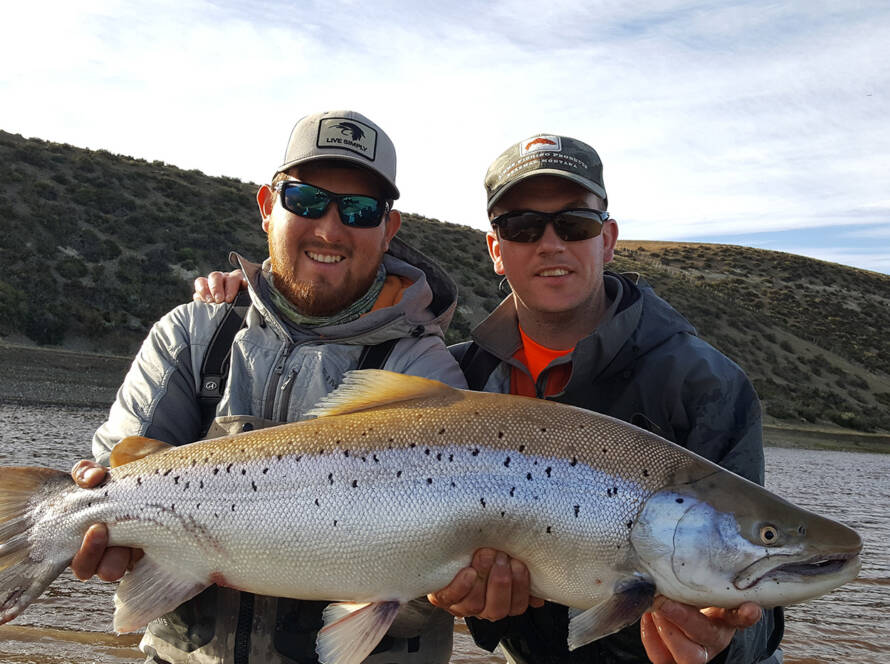
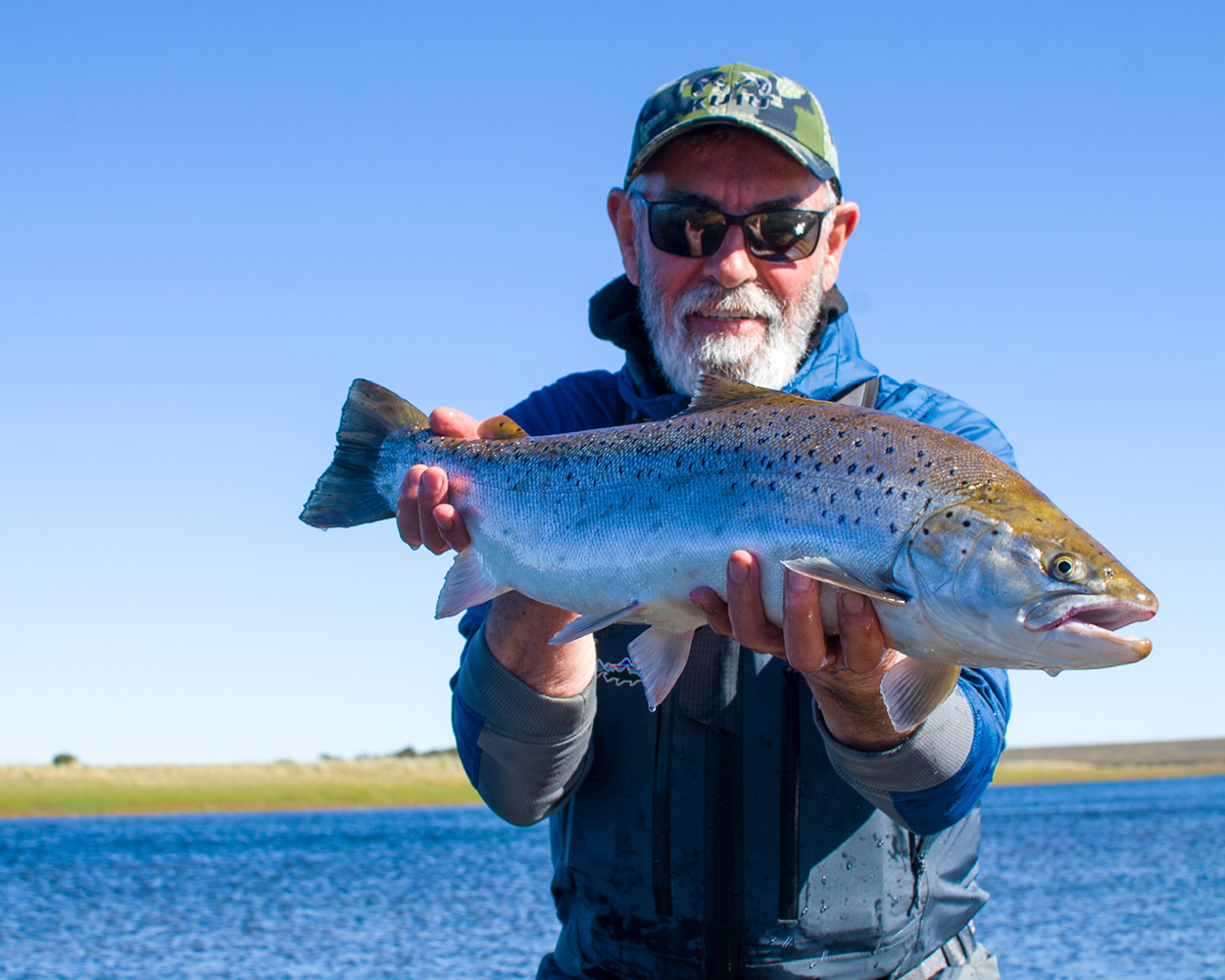
For many anglers traveling to Karku, the answer is the Río Gallegos and its sea-run brown trout. Karku is located in the Laguna Colorada area of the Río Gallegos, near the well-known Estancia Las Buitreras zone, giving guests a clear base in one of Patagonia’s most respected sea-run brown trout environments.
That main experience should be protected.
A good Combo Trip should not weaken the purpose of the journey. If the Río Gallegos is the priority, then the rest of the itinerary should be built around that priority. The extension should add value without stealing energy, reducing fishing focus, or creating unnecessary travel pressure.
This is the first rule of a strong combined itinerary:
The extension should serve the main trip, not compete with it.
For some anglers, that means fishing Karku first and extending afterward. For others, it may make sense to add another fishery before arriving at the Río Gallegos. The right order depends on dates, routes, species, energy level, and how much time the guest has available.
Think in usable days, not total days
One of the most common mistakes in international fishing travel is counting total days instead of usable days.
A traveler may say, “I have twelve days,” but those twelve days may include international flights, connections, transfer days, arrival recovery, gear preparation, domestic travel, and the return home. Once those pieces are placed on the calendar, the real number of fishing days may be much smaller.
This matters when planning a Combo Trip.
Before choosing a second fishery, international anglers should ask:
How many days will I actually fish?
How many days will be used for travel?
Do I need a buffer day?
Will I arrive rested enough to fish well?
Can the second destination be added without making the trip feel rushed?
A well-planned Combo Trip does not simply add another location. It protects the quality of the fishing days. This can be more important than the number of destinations visited.
A cleaner ten-day itinerary can be better than a crowded fourteen-day itinerary.
The goal is not to return home with the longest route.
The goal is to return home feeling that the trip worked.
Choose the extension by purpose
There are several ways to extend a Río Gallegos trip, but the best choice depends on what the angler wants the extension to accomplish.
Some travelers want continuity. They want to stay in the world of trout and salmonids, keeping the trip connected to Patagonia’s cold-water fishing identity.
Others want contrast. They want to move from sea-run brown trout to something completely different: a new climate, new techniques, new water, and a new kind of take.
Others want efficiency. They may not need the most exotic option. They need the one that fits their dates, budget, and travel route most cleanly.
This is where Karku Combo Trips help simplify the decision.
A traveler interested in a trout-focused Patagonia journey may consider Strobel Lake, also known as Jurassic Lake, where large rainbow trout offer a very different experience from the Río Gallegos.
An angler looking for a powerful salmonid extension may consider steelhead on the Río Santa Cruz or Chinook salmon near Torres del Paine, depending on season and routing.
Someone who wants a quieter, more technical trout experience may be interested in brook trout on the Río Coig.
An angler who wants a dramatic change of pace may look toward golden dorado on the Paraná River in Corrientes, where the fishing energy is completely different from southern Patagonia.
Each option can be excellent.
But not every option is right for every traveler.
Match the trip to the angler, not the other way around
A good Combo Trip should feel personal because anglers do not all travel the same way.
Some are comfortable with complex routes and long transfers. Others want a smoother itinerary with fewer moving parts. Some want the highest possible species variety. Others want fewer fisheries but more time in each place. Some travel alone. Others travel with a group, a partner, or non-fishing companions.
That changes the planning.
An experienced destination angler may be willing to add a more ambitious extension if the fishery is worth it. A first-time Patagonia traveler may prefer a simpler, more secure route. A group of friends may want a high-energy trip with a strong shared story. A couple may need a plan that balances fishing intensity with comfort and scenery.
This is why a Combo Trip should not begin with a preset package.
It should begin with the angler’s situation:
- Where are they traveling from?
- How many total days do they have?
- What species matters most?
- How much movement are they comfortable with?
- What kind of fishing do they enjoy?
- Are they looking for challenge, variety, comfort, or contrast?
- Is the trip private, solo, or group-based?
- Do non-fishing companions need to be considered?
- Is the schedule flexible or fixed?
The answers help determine whether an extension makes sense, which fishery fits best, and how the trip should be arranged.
Avoid the temptation to add too much
South America offers an extraordinary range of fly fishing possibilities.
That is part of the attraction.
It is also where planning can become dangerous.
Once anglers start seeing the options, it is easy to want everything at once: sea-run brown trout, giant rainbows, steelhead, golden dorado, brook trout, Chinook salmon. On paper, that kind of trip looks exciting. In real life, it can become too much if the timing is not right.
A good Combo Trip should feel expanded, not overloaded.
Too many destinations can create too many transfers. Too many transfers can reduce rest. Less rest can affect the quality of fishing. And when the itinerary becomes too compressed, the traveler may spend more time moving than actually enjoying each fishery.
For many international anglers, one strong extension is better than two rushed ones.
This does not mean a more ambitious trip is impossible. It means ambition needs structure. If the angler has enough time, flexibility, and budget, a broader itinerary may work beautifully. But if the schedule is tight, the smarter decision may be to choose one additional destination and do it well.
The best trip is not always the one with the most pins on the map.
It is the one that feels right while living it.
Plan around seasonality before excitement
Excitement often comes first.
Seasonality should come immediately after.
Every fishery has its own timing, and not every destination pairs well with every Río Gallegos travel window. A combination that sounds excellent may not be ideal if the dates do not support it. Weather, fish movement, access, water conditions, and regional logistics can all affect whether an extension is worth adding.
This is why Karku Combo Trips should be planned with dates at the center.
The question is not only:
“What would I like to fish?”
It is also:
“What makes sense during the dates I can travel?”
Sometimes the season will make the decision easier. Sometimes it will limit the strongest options. Sometimes it may reveal an opportunity the angler had not considered.
For international travelers, this matters because changing dates may not be easy. Flights, work schedules, family commitments, and availability all shape the final itinerary. A good plan respects those realities instead of forcing a dream combination into the wrong window.
Make logistics part of the fishing strategy
Logistics may not be the romantic part of a fly fishing trip, but they can determine how good the trip feels.
A great destination can be weakened by poor timing, unclear transfers, badly placed travel days, or weak coordination between operators. This is especially true when a journey includes more than one fishery.
For international anglers, the practical details matter:
- arrival airports
- internal flights
- transfer duration
- luggage and gear movement
- overnight stops
- communication between destinations
- fishing licenses or local requirements
- weather changes between regions
- tackle needs for different species
- rest before demanding fishing days
A Combo Trip works best when these details are considered before the trip begins.
That does not mean the traveler needs to manage every moving part alone. One of the advantages of working through Karku is having help connecting the Río Gallegos experience with trusted operators and realistic travel planning for the added destination.
The goal is simple:
The angler should spend less energy solving logistics and more energy fishing.
Consider gear before adding a second species
A combined trip can also change the gear conversation.
A sea-run brown trout trip on the Río Gallegos already requires careful preparation. Adding another fishery may mean different rods, lines, flies, clothing, weather protection, luggage space, or terminal tackle. This becomes especially important if the second destination is very different from the first.
For example, a trout-focused Patagonia extension may keep gear needs relatively connected. A golden dorado extension may require a more specialized warm-water setup. A salmon or steelhead extension may have its own demands. Even clothing can change if the itinerary moves between different climates or regions.
This does not mean a Combo Trip needs to be complicated.
It means the angler should know what the extension requires before packing.
A well-planned itinerary should help the guest avoid two problems: bringing too much unnecessary gear or arriving without something important.
For international travelers dealing with airline baggage limits, that can be a real advantage.
Use trusted operators beyond Karku
When a trip extends beyond the Río Gallegos, consistency matters.
A strong main week can be affected by a weak extension. The added fishery should not feel improvised or disconnected. Guiding quality, safety, communication, local knowledge, transfers, and hospitality all matter.
Karku Combo Trips are designed around trusted, vetted operators for additional destinations.
For international anglers, this reduces uncertainty. Booking from far away always involves a degree of trust, especially when the traveler does not personally know the regional guiding network. Having reliable local connections makes the expanded itinerary easier to understand and easier to commit to.
This is especially important when the trip moves into different regions or countries.
A good Combo Trip should feel like one coherent journey, even when it includes more than one fishery.
Know when not to add an extension
One of the most useful parts of planning a Combo Trip is knowing when not to add one.
This may sound surprising, but it is important.
There are situations where a focused Río Gallegos trip may be the better choice. If the schedule is too tight, the budget is stretched, the angler is already traveling under pressure, or the seasonal match is weak, adding another destination may reduce the quality of the overall experience.
A good trip plan should be honest about that.
The goal is not to add something at any cost.
The goal is to make the journey stronger.
For some anglers, the strongest decision will be a full focus on Karku and the Río Gallegos. For others, the right extension will clearly improve the trip. The value lies in making that decision carefully.
How Karku Combo Trips help international anglers
Karku Combo Trips help international anglers by bringing order to a complex decision.
They help guests think through:
- whether an extension is worth adding
- which species fits the trip
- how many days are needed
- what season supports the best option
- how much travel the itinerary can handle
- what kind of operator is needed
- what gear considerations may change
- how to protect the main Río Gallegos experience
- how to make the journey feel complete rather than crowded
This is the real benefit.
A traveler may begin with a simple idea: “I am going all the way to Patagonia. Maybe I should add something else.”
Karku helps turn that idea into a realistic plan.
Final thoughts
Karku Combo Trips help international anglers make the most of their journey by turning long-distance travel into a smarter, more intentional fly fishing experience.
The Río Gallegos remains the foundation: a powerful sea-run brown trout destination and the heart of the Karku experience. From there, the right extension can add species variety, regional contrast, or a deeper South American fishing journey when the timing, route, and angler profile make sense.
A good Combo Trip is not measured by how many places it includes.
It is measured by how well the itinerary works.
For international travelers, that means protecting fishing time, avoiding unnecessary stress, choosing the right extension, and building a trip that feels worth the distance.
If you are planning to fish the Río Gallegos and want to explore whether a custom extension makes sense for your dates, goals, and travel plans, discover Karku Fly Fishing Lodge and ask about Karku Combo Trips, designed to help international anglers build a more complete Patagonia and South America fly fishing itinerary.