There is a moment, often unexpected, when Patagonia reminds you of your place in the world.
Maybe it happens as you wade into a silent pool at sunrise, feeling the cold water wrap around your legs.
Maybe it happens when the wind suddenly shifts and you hear nothing but the steady breath of the steppe.
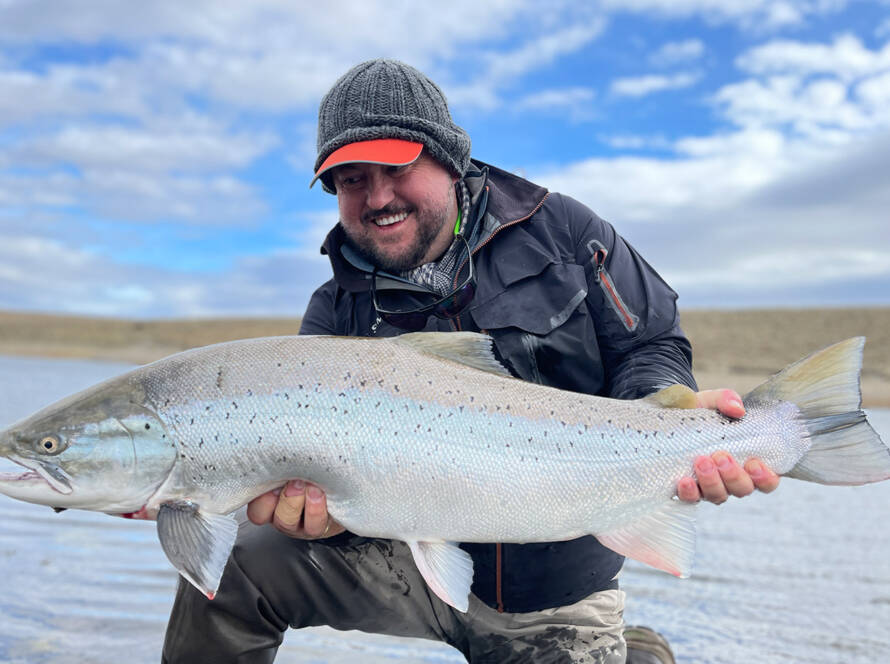
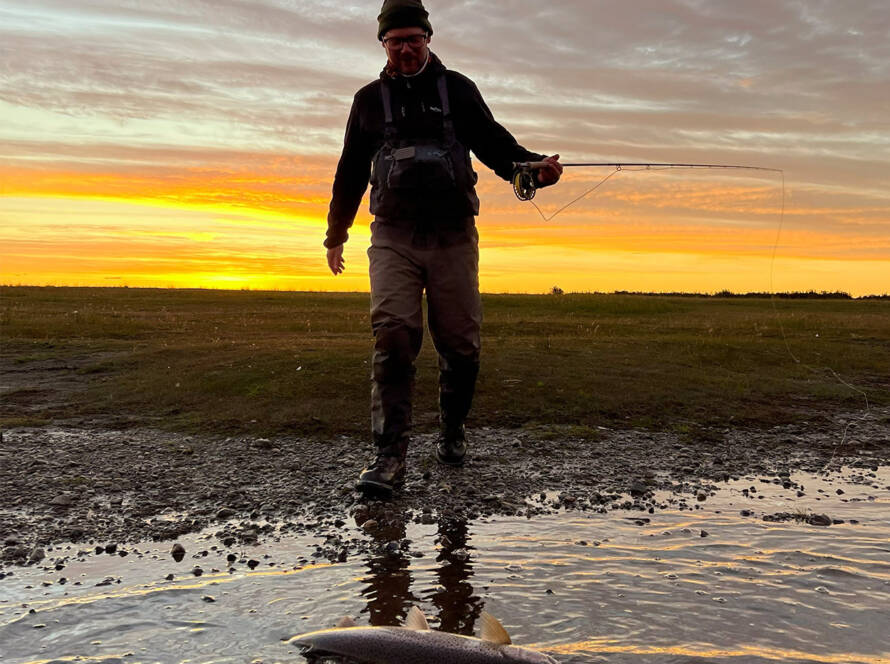
Or maybe it happens when a sea-run brown trout — chrome, strong, alive — slips back into the stream and disappears as if it had never been there at all.
Patagonia is a place that humbles you.
It asks for respect, patience, and honesty.
And in return, it offers something rare: a connection to nature that feels pure and unfiltered.
That’s why sustainable fly fishing isn’t just a trend here — it’s a responsibility. Whether you’re exploring the wide-open plains of southern Argentina, drifting through still Andean waters, or stalking sea-run trout in the legendary Río Gallegos, your actions matter. They shape the future of these waters, the fish that live in them, and the communities that care for them.
This guide explores the sustainable practices that truly make a difference, and why Patagonia is one of the most important places on Earth to apply them.
1. Understanding Why Patagonia Needs Protection
Patagonia’s beauty is overwhelming — vast landscapes, pristine rivers, and a natural silence many anglers spend their whole lives searching for. But that beauty is also fragile.
Patagonia faces increasing pressures:
Climate change altering water temperatures and flow patterns
Overfishing in certain public-access rivers
Agricultural activity impacting water quality
Habitat disruption from human expansion
Invasive species in some ecosystems
Despite its remote feeling, Patagonia needs conscious anglers more than ever.
Fishing here shouldn’t just be about the catch — it should be about protecting the experience for future generations.
Responsible fishing becomes a way of honoring the land, the fish, and the people who have lived here long before the first fly angler arrived.
2. Catch and Release: More Than a Gesture
Catch-and-release is the foundation of sustainable fly fishing, especially for sea-run brown trout. These fish migrate thousands of kilometers, facing predators, tides, storms, and the perpetual force of the South Atlantic. Each one plays a role in the health of the ecosystem.
To do it right:
Use single Hooks
Single hooks reduce injury and allow for quick release.
They’re also required or highly recommended in most waters — including those fished at Karku Fly Fishing Lodge.
Minimize Air Exposure
A fish shouldn’t be out of the water for more than 5–7 seconds.
If you want a photo, cradle the trout gently just above the surface.
Wet Your Hands
Dry hands remove protective slime.
Wet hands protect the fish from infections and stress.
Keep the Fish Upright Before Release
Hold it gently facing upstream until it kicks away on its own.
Patience here is key — it’s the difference between survival and exhaustion.
Use the Right Gear
Stronger rods and tippets shorten the fight, reducing stress on the fish.
This is especially important for migratory trout.
Practicing ethical catch-and-release becomes a ritual — one that honors both the fish and the river.
3. Respecting the Habitat: Caring for the River Itself
Rivers are living systems. Every pool, bend, stone, and underwater branch is a home for something. Sustainable behavior requires more than releasing fish — it demands protecting their environment.
Stay on Established Trails
Fragile plant life in Patagonia recovers slowly due to wind and climate.
Use existing paths to minimize erosion.
Pack Out Everything
Nothing stays in the steppe without becoming part of the landscape — sometimes for years.
Leave no trace, especially with plastics, fishing line, and metallic waste.
Respect Waters
Many of Patagonia’s healthiest rivers flow through estancias where conservation has been practiced for generations.
Fishing with permission — like at Karku — helps maintain sustainable access.
4. The Role of Local Guides in Sustainability
One of the most underestimated elements of sustainable fishing is the presence of local guides.
Guides who grew up near the river know:
The health of each pool
Seasonal changes in water flow
How to identify stress in fish
When to rest an area
How weather impacts fish behavior
The cultural and ecological value of the land
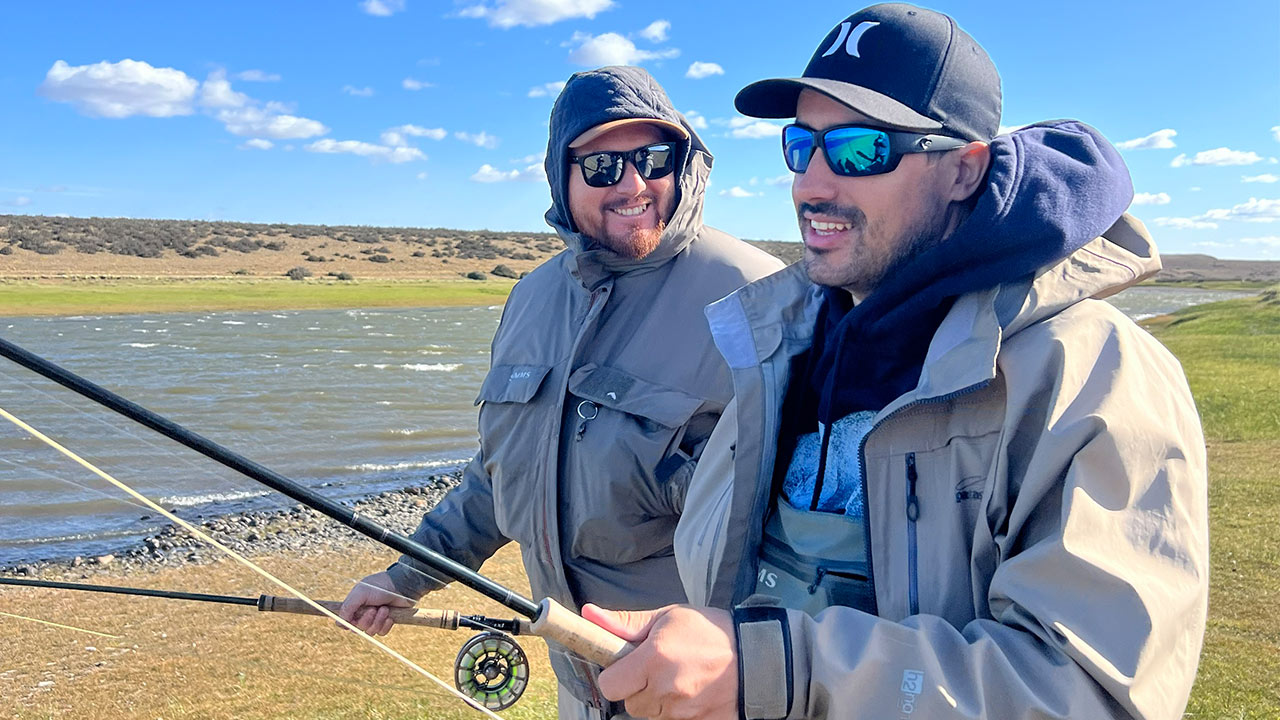
At Karku Fly Fishing Lodge, guides aren’t just experts — they’re protectors.
They understand the river’s personality, its history, its risks.
And they’re committed to ensuring that the river you fish today will be just as alive tomorrow.
A good guide doesn’t only help you catch fish.
A good guide teaches you how to fish with intention and respect.
5. Gear Choices That Support Sustainability
Choosing the right gear can reduce environmental impact:
Use Durable Equipment
High-quality gear lasts longer and generates less waste.
Avoid Lead-Based Weights
Lead is harmful to fish and the wider ecosystem.
Use tungsten or non-toxic alternatives.
Choose Eco-Conscious Brands
Many brands now focus on recycled materials, sustainable sourcing, and minimal packaging.
Buy Local When Possible
Supporting local shops and lodges keeps money circulating in conservation-conscious communities.
Take Care of Your Equipment
Maintaining waders, boots, and rods reduces consumption and minimizes the risk of introducing invasive species.
6. Ethical Behavior on the River
Sustainability is also about behavior — the small decisions that shape the experience for everyone.
Give Other Anglers Space
Patagonia is vast; crowding is unnecessary and disrespectful.
Avoid Overfishing a Pool
Even in patagonian waters, rest pools between catches to prevent stress on resident fish.
Fish With Purpose
Instead of chasing numbers, focus on connection, technique, and presence.
Observe Local Regulations
Season dates, catch limits, and gear rules exist to protect the ecosystem.
Be a Steward, Not a Visitor
Observe wildlife without disturbing it.
Respect the silence of the steppe.
Treat the river as if it were your own — because in Patagonia, the river gives itself to you only if you do.
7. Sustainable Lodges: Why Your Choice Matters
Where you stay has an enormous impact.
Some lodges operate with high resource consumption, while others have embraced eco-friendly practices that help preserve Patagonia’s delicate environment.
A lodge that prioritizes sustainability will typically:
Use renewable energy (like solar panels)
Limit guest capacity to reduce pressure on the river
Employ local guides and staff
Source food locally
Implement water and waste management systems
Follow strict catch-and-release and conservation guidelines
Karku Fly Fishing Lodge is one of the few that blends authenticity, remote access, and ecological responsibility. Its solar-powered infrastructure, small-group approach, and low-impact philosophy make it a place where anglers can fish responsibly without sacrificing comfort.
Choosing a sustainable lodge is the most direct way anglers can support conservation in Patagonia.
8. The Emotional Side of Sustainable Fly Fishing
Sustainability isn’t only about biology or environmental science.
It’s about how you feel when you’re on the river.
When you fish sustainably:
You notice more.
You learn more.
You slow down.
You connect deeper with the water and the land.
You become part of the story instead of just passing through it.
And Patagonia rewards that kind of mindset — with unforgettable moments, powerful fish, and memories that stay long after you return home.
9. A Responsible Journey Into the Future
Fly fishing in Patagonia isn’t just a sport — it’s a relationship with a place that has remained untamed for centuries.
Our responsibility is simple: leave it better than we found it.
Every piece of trash we pick up, every fish we release with care, every respectful decision we make — all of it shapes the future of this extraordinary region.
Sustainable fly fishing isn’t the future of the sport. It’s the present.
And those who embrace it are the ones who will continue to experience Patagonia in its purest form.
Conclusion
Patagonia is a gift — wild, vast, unpredictable, and endlessly inspiring.
To fish here is to enter a silent agreement with the land:
Take only memories. Leave only footprints. Protect what makes it sacred.
If you want to experience sustainable fly fishing not as a concept but as a way of life, there are places where these values live at the heart of everything — and one of them is Karku Fly Fishing Lodge.
Not because Karku is the “best lodge” or the “top option,”
but because it lives the philosophy of Patagonia:
authenticity, respect, and connection.
Discover a place where tradition and sustainability meet the river,
and where fly fishing becomes more than a catch — it becomes a story worth telling.
👉 Learn more about Karku Fly Fishing
https://karkuflyfishing.com/contact