There are trout you catch.
And then there are trout you remember.
Sea-run brown trout fall into the second category — not simply because of their size or strength, but because of the mystery that surrounds them. They are creatures shaped by both river and ocean, by calm currents and violent tides, by instinct older than human history. When one takes your fly on the Río Gallegos, you feel the collision of two worlds: freshwater and saltwater, survival and instinct, patience and power.
But to truly appreciate these fish — to understand their behavior, their journeys, and their presence in southern Patagonia — you need to understand one key concept:
Anadromy.
This article breaks down what “anadromous behavior” really means, why it makes sea-run brown trout so extraordinary, and why the Río Gallegos has become one of the most iconic sea-run brown trout fisheries on the planet.
1. What Does “Anadromous” Really Mean?
The term anadromous describes fish that:
are born in freshwater,
migrate to the ocean to feed and grow, and
return to freshwater as adults to spawn.
Most anglers associate anadromy with salmon.
But brown trout (Salmo trutta) also have the capacity for this migratory behavior — and Patagonia has become one of the best places on Earth to witness it.
A Key Insight:
Sea-run and resident brown trout are genetically identical.
The difference is behavioral, not biological.
Certain individuals “choose” the ocean when conditions in freshwater push them toward migration. This “decision,” driven by environment, survival pressure, and innate evolutionary programming, results in one of nature’s most impressive transformations.
2. Why Some Brown Trout Become Sea-Run Trout
In nutrient-poor rivers like those found across the Patagonian steppe, juvenile trout often struggle to find enough food to grow quickly.
The ocean, however, offers:
abundant prey
colder, oxygen-rich waters
more stable feeding conditions
fewer freshwater competitors
A young trout sensing limited freshwater resources undergoes physiological changes allowing it to survive in saltwater — a process called smoltification.
In the ocean, everything changes.
A trout that would have remained 2–3 pounds in freshwater may grow to 10–20+ pounds after a marine cycle.
Their:
color changes
musculature thickens
shoulders broaden
metabolism shifts
stamina increases dramatically
This is why hooking a sea-run brown feels like grabbing the tail of a living storm.
3. The Life Cycle of a Sea-Run Brown Trout in Patagonia
Understanding their life cycle gives anglers a clearer perspective on their behavior, seasonal patterns, and vulnerability.
Stage 1 — Birth in Freshwater
The cycle begins in gravel nests (redds) carved in shallow riffles during late spring. Eggs hatch into alevins, then fry, then parr.
Stage 2 — The Migration Decision
This stage is still one of biology’s greatest mysteries.
Some trout stay.
Some leave.
Those that leave begin smoltification and drift downstream toward the South Atlantic.
Stage 3 — The Ocean Phase
This is where the magic happens.
In the ocean, sea-run browns feed aggressively on:
crustaceans
sand eels
marine worms
small baitfish
The marine diet supercharges growth.
Muscle density increases.
Fat stores expand.
The trout become silver-bright and extremely strong.
Stage 4 — Return to the River
After 1–3 years at sea, mature fish return to spawn — usually in the same drainage where they were born.
This is when anglers encounter them:
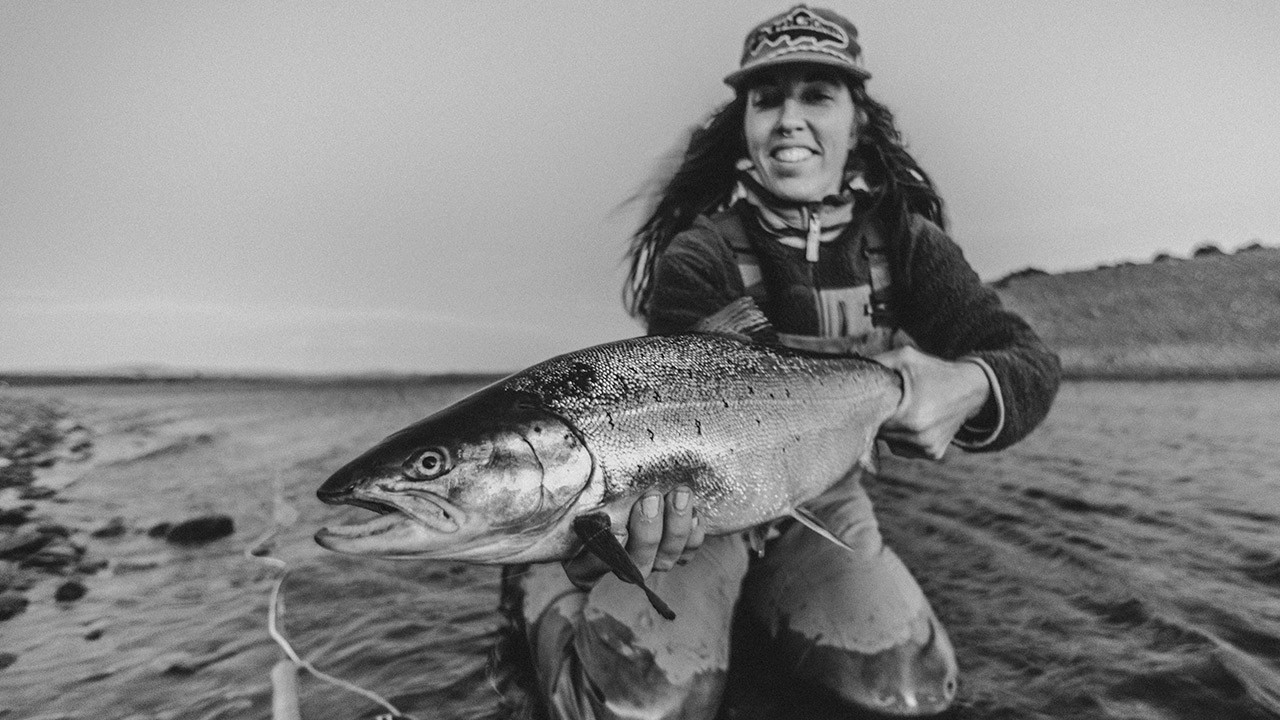
heavy-shouldered, chrome-bright, and full of energy.
Stage 5 — Post-Spawning
Some die.
Some recover and return to the ocean for another cycle.
Those that return often become giants.
4. Why the Río Gallegos Produces Such Exceptional Sea-Run Trout
Of all the rivers in the world supporting sea-run browns, the Río Gallegos stands out.
Its magic comes from a unique combination of factors:
1. Nutrient-Rich Ocean Feeding Zones
The Gallegos flows directly into productive feeding grounds of the South Atlantic.
This accelerates growth rates dramatically.
2. Low-Gradient Structure
A gentle gradient creates:
long glides
deep holding pools
structured edges
excellent migration corridors
Perfect for staging fish.
3. Minimal Human Pressure
Patagonia is remote.
Angling pressure is low compared to Europe, USA, or Iceland.
4. Exclusive Water Stewardship
Large portions of the river run through exclusive estancias.
This keeps fish stress low and protects key holding areas.
5. Seasonal Migrations in Waves
Gallegos fish return in pulses, creating consistent fishing from November through April.
In short:
Río Gallegos is the ideal meeting point between biology, geography, and wilderness.
5. Behavior: How Sea-Run Browns Act in Río Gallegos
Sea-run brown trout behave differently from resident fish — and differently depending on the stage of their freshwater migration.
Holding Patterns
Fresh sea-runs tend to hold in:
deeper slots
the heads of pools
seams with stable flow
undercut banks
structure transitions
As they acclimate, they spread further into:
glides
mid-river buckets
tailouts during low light
Mood and Aggression
In freshwater, they do not feed aggressively.
They strike out of:
territorial instinct
annoyance
reaction to movement
conditioned predatory habits
This is why subtle presentations often outperform large, flashy flies.
Movement Windows
Key bite times:
early morning
last light
windy afternoons with riffled surfaces
barometric drops
temperature shifts
The fish respond strongly to stability — and aggressively to change.
6. How to Target Sea-Run Browns in Río Gallegos: A Technical Guide
Recommended Setup
Rod: 7–8 weight
Line: floating + interchangeable sink tips
Leader: short, 4–7 ft
Tippet: 0X–2X fluorocarbon
Reel: sealed drag, large arbor
Flies That Consistently Produce
Girdle Bug
Prince Nymph
Egg-Sucking Leech
Sunray Shadow
Yuk Bug
Green Machine
Small intruder-style streamers
Techniques
Swinging with sink tips in deep water
Dead-drifting nymphs along seams
Stripping streamers at dusk
Pulsing long flies to trigger territorial reaction
Local Expertise
On the Río Gallegos, nuanced adjustments make all the difference:
matching the fly to water clarity
adjusting sink rate to river level
reading subtle holding water
understanding pool-by-pool personality
This is where local guides are invaluable — especially those at Karku who know every contour of the river.
7. Conservation: Why Anadromous Trout Require Extra Care
Because sea-run browns migrate long distances and endure extreme physical challenges, they are more vulnerable than resident trout.
The core principles of protecting them:
1. Catch & Release as Philosophy
Single hooks
minimal handling
keep fish wet
support horizontally
gentle recovery before release
2. Protecting Spawning Beds
Avoid wading on shallow gravel during spawning periods.
3. Rotating Pools
Fishing different pools throughout the day prevents overpressure.
4. Exclusive Water Management
Estancias like those surrounding Karku maintain healthy, low-impact use.
Healthy rivers produce healthy fish.
Healthy fish produce unforgettable experiences.
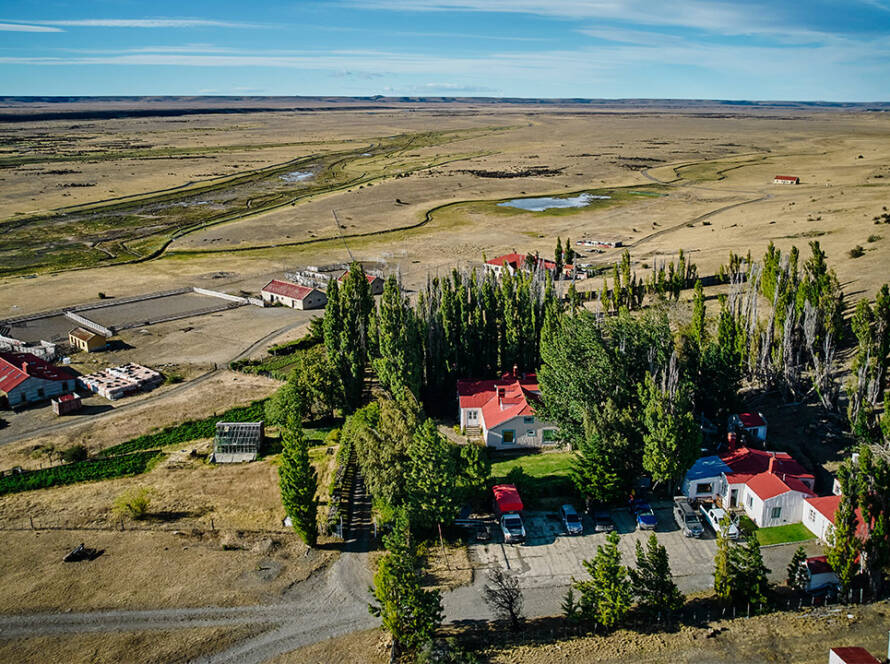
8. Karku Fly Fishing Lodge: Where Anadromous Behavior Comes Alive
For anglers seeking not just big fish but a deeper understanding of sea-run brown trout behavior, Karku offers a uniquely meaningful experience.
Why Karku Is Special
40+ km of exclusive access
25 named pools with distinct personalities
Local guides who grew up on this river
Solar-powered eco-friendly lodge
Small groups = low pressure & rested water
Conservation-first philosophy
Water conditions ideal for observing anadromous migration
A Learning Experience, Not Just a Fishing Trip
At Karku, you don’t just catch sea-runs —
you learn to read their moods, understand their patterns, and appreciate the wild intelligence behind their migrations.
It is one of the rare places on Earth where the science, art, and poetry of anadromous trout all intersect.
Sea-run brown trout are symbols of endurance.
Sea-run brown trout are symbols of endurance.
Creatures shaped by storms, tides, and the silence of long migrations.
To encounter one in the Río Gallegos is to step into a story older than memory.
Understanding their anadromous behavior doesn’t diminish their mystery —
it deepens it.
It reveals their resilience.
Their fragility.
Their wildness.
And it gives us the privilege — and responsibility — to fish for them with intention, respect, and wonder.
If you want to experience these extraordinary fish in a place where their biology, behavior, and beauty come alive,
there is no better place to learn than Karku Fly Fishing Lodge.
👉 Discover the anadromous magic of Río Gallegos with local guides who live it every day:
Contact Us