Some names on a river do more than identify a place.
They begin to carry mood, memory, and meaning.
For anglers who dream about Patagonia, the Río Gallegos is filled with names that suggest far more than geography alone. They hint at current seams, long runs, shifting light, hard wind, hopeful first casts, and the possibility of a sea-run brown trout that changes the tone of an entire day. Among those names, Laguna Colorada deserves special attention.
At first glance, it may sound like a simple point on the map. Just another local reference in a famous destination. But on a river as respected as the Río Gallegos, areas matter. Stretches matter. Identity matters. And Laguna Colorada is one of those places that gives the river a stronger sense of shape and character.
For anglers planning a trip to southern Argentina, understanding why this area matters helps them understand the Río Gallegos itself.
It also helps explain why Karku occupies such a meaningful position on the river.
The Río Gallegos is not one generic piece of water
One of the biggest mistakes people make when first researching the Río Gallegos is imagining it as a single, uniform fishery.
It is not.
Like all truly memorable rivers, it is understood through sections, moods, known stretches, and the way different pieces of water live in the minds of anglers. The Río Gallegos has a broad identity as one of the world’s most admired sea-run brown trout rivers, but inside that larger reputation there are specific areas that give the destination texture. They help fishermen picture where they are. They make the river feel real rather than abstract.
That is part of why Laguna Colorada matters.
It gives shape to the idea of the Río Gallegos. It turns a legendary river into a place that can be understood more intimately. For traveling anglers, that is important. Patagonia may begin as a dream, but once a trip gets closer, details start to matter. Fishermen want to know more than the name of the river. They want to know what part of the river they are entering and what kind of experience that place suggests.
Laguna Colorada offers exactly that kind of meaning.
A place that gives the river a stronger identity
In destination fly fishing, names carry weight.
Certain names become memorable because they are tied to real water, real days, and real angling history. Even before a guest arrives, those names help create a sense of anticipation. They make a trip feel more specific and more grounded. They give texture to conversations about the river and help anglers feel that they are stepping into an actual fishing environment rather than a generic travel package.
Laguna Colorada has that effect.
It sounds like a real place because it is one. It belongs to the geography of the Río Gallegos in a way that adds authenticity and depth to the overall experience. For a river that is already famous among sea-run brown trout anglers, that kind of specificity is valuable. It separates broad marketing language from the feel of a true fishing destination.
When anglers hear a name like Laguna Colorada, they are not just hearing a label.
They are hearing a location with identity.
And on a river like the Río Gallegos, identity matters.
Why serious anglers care about areas, not just rivers
Experienced fishermen tend to think in a more detailed way than casual travelers.
They are rarely satisfied with simply hearing that a lodge is “on the river.” That phrase may be technically true, but on a fishery as respected as the Río Gallegos, it is not enough. Serious anglers want to know what kind of water surrounds them, what stretches define the experience, how the landscape feels, and whether the place they are staying seems genuinely tied to meaningful fishing ground.
That is why a named area like Laguna Colorada becomes so important.
It offers context.
It suggests the lodge is not floating in vague Patagonia language, but located within a part of the river that has its own sense of place. For traveling anglers, especially those coming from abroad, that adds credibility. It helps them picture the destination more clearly. It makes the trip feel more tangible before they ever pack a rod tube or step into waders.
Laguna Colorada is valuable not because it sounds poetic, though it certainly does.
It is valuable because it helps the Río Gallegos feel real.
The emotional power of place in Patagonia
Patagonia is not only about fishing.
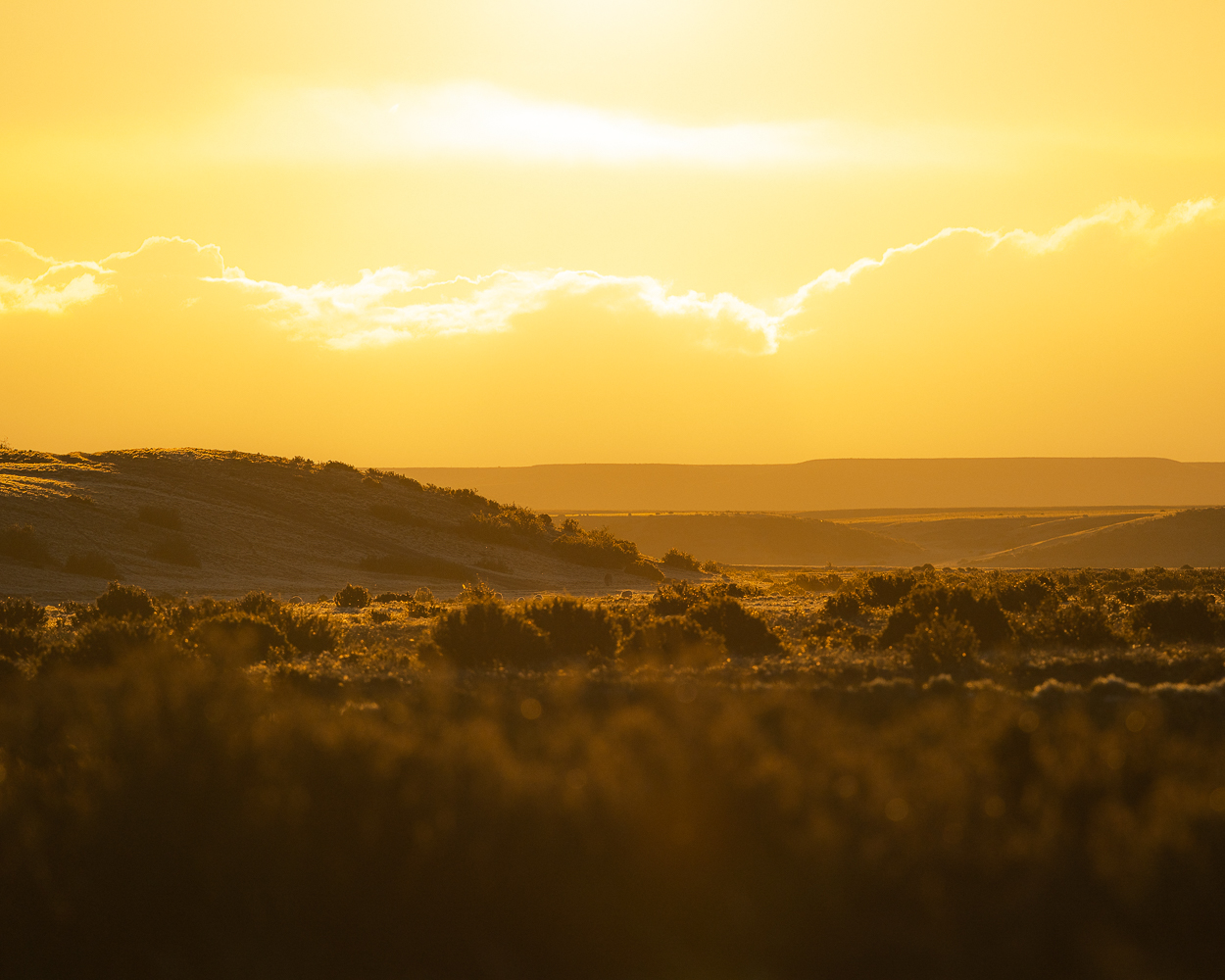
That may sound strange in a blog for serious anglers, but anyone who has traveled far south knows it is true. People come for sea-run brown trout, but they also come for something harder to name. They come for space. They come for wind. They come for silence, anticipation, and the strange emotional clarity that can happen on a big river under a wide sky.
That is where place becomes powerful.
A meaningful area on the river does more than help with logistics. It changes how the trip is felt. It gives the landscape emotional form. It allows the memory of the experience to attach itself to something more than fish counts. Anglers remember where they were. They remember the color of the land, the sense of distance, the look of the water in a certain stretch, and the names that came to represent those sensations.
Laguna Colorada belongs to that kind of memory.
It is part of the emotional map of the Río Gallegos.
For many guests, that matters more than they expect.
A location that feels connected to the river itself
One of the clearest differences between a strong fly fishing destination and a generic one is whether the lodge feels attached to the river in an authentic way.
On the Río Gallegos, that relationship is everything.
The best Patagonia lodge experiences do not feel like comfortable buildings dropped beside a famous name. They feel rooted in place. The fishing, the setting, the daily rhythm, and the wider landscape all seem to belong together. That is what gives a trip coherence. That is what makes it memorable.
Laguna Colorada contributes to that feeling.
It suggests a location that is part of the river’s living geography, not just adjacent to it. For anglers, that matters because it changes the tone of the entire trip. It means mornings begin with a stronger sense of being inside the fishery rather than merely near it. It means the river is not something visited from the outside. It is the environment the day revolves around.
That kind of immersion is one of the great luxuries of Patagonia.
And it is one of the reasons areas like Laguna Colorada matter so much.
Why the surroundings shape the experience
A fly fishing trip is never made only of fish.
It is made of transitions.
The drive or walk toward the water.
The first look at the sky.
The mood of the wind.
The feeling of stepping into a known section of river.
The sense that the surroundings belong to the story and are not just scenery in the background.
Laguna Colorada matters because it contributes to that full experience.
Its name, its setting, and its place within the Río Gallegos help shape the atmosphere around the fishing. This is not a small thing. On a destination river, atmosphere has real value. It deepens concentration. It makes the trip feel more intentional. It gives weight to simple moments that might otherwise pass unnoticed.
Serious anglers often talk about fish, techniques, and gear, but what stays with them longest is often the feeling of being somewhere that had character.
Laguna Colorada carries that kind of character.
Karku and the importance of being in the right part of the river
For Karku, Laguna Colorada is not an incidental detail.
It is part of what makes the lodge’s setting meaningful.
Karku is located in the Laguna Colorada area of the Río Gallegos, near the well-known Estancia Las Buitreras zone, placing it within one of Patagonia’s best-known sea-run brown trout environments. That matters because it gives the lodge a clear connection to a respected and recognizable section of the river. It also gives anglers a much stronger sense of where they will be fishing and what kind of territory surrounds them.
On rivers like the Río Gallegos, those details carry real weight.
A lodge in the right area feels different. It has more presence. It has more credibility. It allows guests to feel that they are entering a meaningful stretch of water, not simply checking into a place with a famous address.
That is one of the quiet strengths of Karku’s location.
It belongs to a part of the river that feels established, memorable, and naturally tied to the reputation of the Río Gallegos.
More than geography, less than hype
One of the best things about Laguna Colorada is that it does not need exaggeration.
It does not need to be turned into mythology to feel important.
Its value comes from being a real part of the river, a real reference within the larger destination, and a real element in the angler’s understanding of place. That makes it powerful in a different way. It adds substance rather than noise. It supports the idea that Patagonia is best experienced through concrete details, not inflated claims.
That is especially relevant today, when so much travel marketing sounds interchangeable.
Fishermen who care about authenticity notice when a destination is described through genuine geography instead of empty adjectives. They want to know where they are going. They want names that belong to the land. They want a story that feels true.
Laguna Colorada helps tell that kind of story.
Why this area deserves more attention
Some places on famous rivers become central to the way anglers imagine the destination. Others remain slightly quieter, though no less meaningful. Laguna Colorada deserves more attention because it does something important for the Río Gallegos: it makes the river feel more personal.
It narrows the lens in the best possible way.
Instead of thinking only in broad terms about Patagonia or sea-run brown trout, anglers begin to think about a specific part of the river with its own atmosphere and identity. That shift changes the quality of attention. It makes the trip feel more focused. It makes the destination feel more lived-in. It gives the imagination somewhere more precise to go.
That precision is valuable.
It is one of the things that separates serious destination fishing from casual tourism.
The role of place in unforgettable trips
Years after a great fishing trip, anglers may not remember every cast.
They may not remember every fly they changed or every weather shift that moved through the valley. But they often remember exactly how a place felt. They remember the names. They remember the stretch of river that seemed to hold the whole spirit of the trip. They remember where their anticipation became real.
That is why areas like Laguna Colorada matter on the Río Gallegos.
They become part of the story that lasts.
For some, it is the name they kept hearing before the trip.
For others, it is the place they later associate with their first morning on the river.
For many, it becomes part of the emotional vocabulary of Patagonia itself.
And that is no small thing.
Final thoughts
Laguna Colorada matters on the Río Gallegos because this river is understood through more than water alone.
It is understood through place.
It is understood through the stretches, names, landscapes, and identities that turn a famous fishery into a real and memorable destination. Laguna Colorada is one of those names. It gives the river more shape, more atmosphere, and more meaning for anglers trying to understand what makes this corner of Patagonia so special.
For Karku, that setting matters deeply.
Located in the Laguna Colorada area near Estancia Las Buitreras, Karku Fly Fishing Lodge sits within a stretch of the Río Gallegos that carries genuine river identity and lasting appeal among serious fly fishermen. We are the first lodge near the estuary and right next to Las Buitreras.
If you are planning a Patagonia fly fishing trip and want to experience the Río Gallegos from a place that feels truly connected to its landscape and reputation, discover Karku Fly Fishing Lodge, explore what makes the Laguna Colorada area so meaningful, and begin planning a journey shaped by real water, real place, and the unforgettable pull of sea-run brown trout.