Patagonia is often described as one fly fishing destination, but its rivers offer very different experiences.
Choosing between them means choosing a species, a landscape, a fishing style, and a level of challenge. An angler searching for sea-run brown trout should look in a different direction from someone interested in dry-fly rainbows, migratory steelhead, or large resident browns.
This is not a ranking from first to last. There is no single river that is best for every angler.
Instead, this guide organizes some of the most important fly fishing rivers in Argentine Patagonia according to the species and experience they are best known for.
Río Gallegos: sea-run brown trout in southern Patagonia
Primary species: Sea-run brown trout
Best suited to: Anglers interested in migratory trout, swinging flies, open landscapes, and a demanding destination fishery
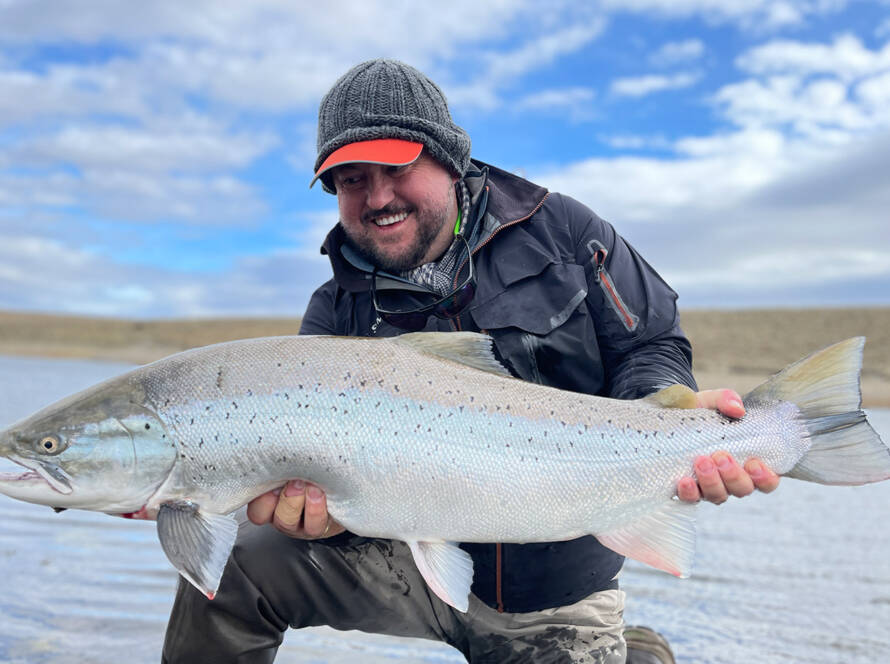
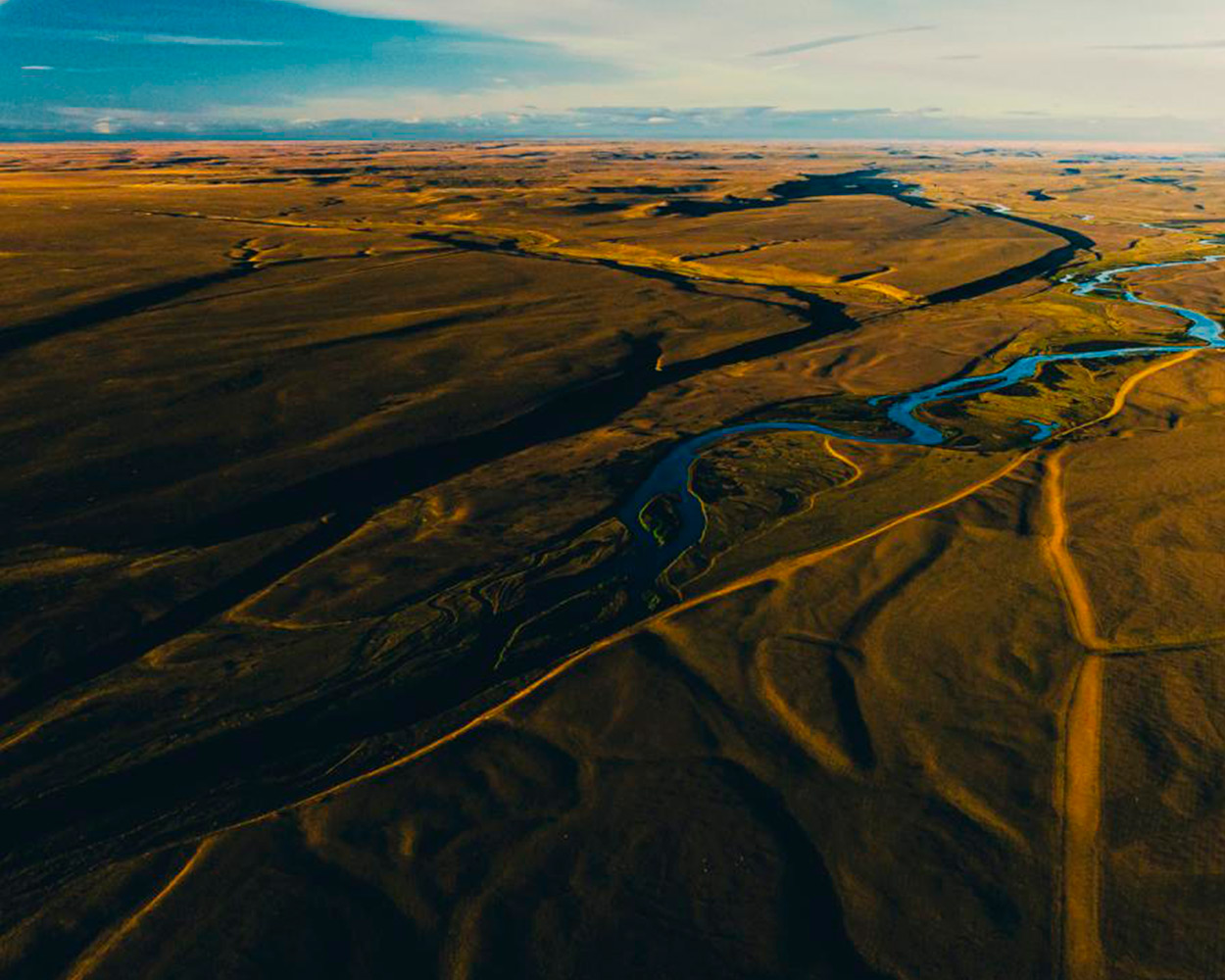
The Río Gallegos crosses the Patagonian steppe of Santa Cruz before reaching the Atlantic. Its migratory brown trout have made it one of Argentina’s defining sea-run trout rivers. Official provincial tourism material identifies the Río Gallegos specifically with migratory brown trout fishing.
This is broad, exposed water where wind, changing light, river levels, and presentation all affect the day. Anglers should be prepared to cover pools methodically, manage longer lines, and remain focused through periods when opportunities may be limited.
The attraction lies in the quality of those opportunities.
A well-presented fly moving through the right lane can connect the angler with a fish that has returned from the Atlantic carrying the strength and condition associated with its marine life.
Karku Fly Fishing Lodge is located in the Laguna Colorada area of the Río Gallegos and offers access to this sea-run brown trout environment. For anglers whose main goal is to experience the Río Gallegos rather than build a general sightseeing trip around Patagonia, it provides a clear starting point.
Río Grande and Río Menéndez: Tierra del Fuego sea trout
Primary species: Sea-run brown trout
Best suited to: Anglers prioritizing large migratory browns and the distinctive landscape of Tierra del Fuego
Farther south, the Río Grande basin in Tierra del Fuego is internationally recognized for sea-run brown trout. The Río Grande and Río Menéndez are the two best-known watercourses within that fishery. Official tourism information describes the basin as one of the central salmonid fishing areas on the island and notes the exceptional size sea-run browns can attain there.
Although the Río Grande and Río Gallegos share a target species, they should not be treated as identical fisheries.
River dimensions, access, lodge formats, water characteristics, and daily techniques can produce different experiences. Anglers comparing them should look beyond trophy photographs and consider which river structure, fishing rhythm, and trip format suits them better.
The Río Grande belongs on the shortlist for anglers whose overriding priority is destination sea trout fishing in Tierra del Fuego.
Río Santa Cruz: Patagonia steelhead
Primary species: Steelhead
Best suited to: Experienced anglers seeking migratory rainbows, large water, physical challenge, and a less conventional Patagonia target
The Río Santa Cruz offers one of Argentina’s most distinctive migratory fish opportunities: steelhead.
Flowing through Santa Cruz Province, it is a large river that calls for strong equipment, efficient casting, and realistic expectations. Provincial tourism information highlights the river’s steelhead and their reputation for power and resistance.
This is not simply another trout extension.
Steelhead give the river a separate identity. Their migratory behavior, strength, and the scale of the water create a fishery that may appeal most to anglers already comfortable with demanding conditions.
The Río Santa Cruz is a strong choice for someone who wants to remain focused on migratory salmonids while pursuing something different from the sea-run brown trout of the Río Gallegos.
Río Limay: large brown and rainbow trout
Primary species: Brown trout and rainbow trout
Best suited to: Anglers seeking large resident or migratory trout, streamer fishing, floating, and varied river structure
The Limay is one of northern Patagonia’s essential trout rivers.
Its different sections offer separate fishing personalities, from the upper river near Nahuel Huapi to the broad reaches of the Middle Limay. Neuquén tourism identifies both resident and migratory brown and rainbow trout in the Limay Medio and describes it as a fishery recognized for the quality and strength of its trout.
The river can support several approaches depending on section and season:
- streamer fishing for large browns
- nymphing through productive channels
- dry-fly opportunities
- fishing from a drift boat
- targeting migratory trout moving from reservoirs
For anglers who want significant trout without centering the trip on an anadromous fishery, the Limay offers a strong alternative.
Its variety also makes it suitable for anglers who enjoy adjusting techniques instead of committing to one presentation throughout the trip.
Río Chimehuín: classic Patagonian trout fishing
Primary species: Rainbow trout and brown trout
Best suited to: Anglers who value river tradition, technical presentations, wading, and classic Andean Patagonia
The Chimehuín is closely associated with the history of fly fishing in northern Patagonia.
It begins at Lake Huechulafquen near Junín de los Andes, and its upper section—particularly Boca del Chimehuín—has long been recognized for brown and rainbow trout. Neuquén’s official tourism information describes this area as an internationally known fly fishing destination with exceptional trout fishing.
The river appeals to anglers who enjoy reading current, working defined structures, and adapting fly choice to insect activity and seasonal conditions.
Compared with the open steppe rivers of southern Patagonia, the Chimehuín offers a different visual and technical experience. The surrounding Andean landscape, clearer water, and traditional trout methods make it a valuable choice for anglers seeking the classic image of Argentine fly fishing.
Río Malleo: dry flies and precise presentations
Primary species: Rainbow trout and brown trout
Best suited to: Anglers interested in dry-fly fishing, careful approaches, lighter tackle, and technical river work
The Malleo is one of Neuquén’s recognized trout rivers and is frequently grouped with the Chimehuín, Collón Curá, Limay, and Aluminé as one of the region’s principal fly fishing waters. These systems hold brown, rainbow, and—in parts of the wider region—brook trout.
Its strongest appeal is precision.
Rather than being chosen primarily for the possibility of one enormous migratory fish, the Malleo attracts anglers who enjoy observing water, approaching fish carefully, and making controlled presentations.
The exact fishing style changes with flows and insect activity, but the river is especially relevant to anglers who prefer technical trout fishing over heavier sea-run or steelhead methods.
It can also be a better fit for someone who values frequent decision-making, subtle adjustments, and the possibility of fishing smaller flies.
Río Aluminé: varied water and mixed trout opportunities
Primary species: Rainbow trout and brown trout, with brook trout present in the wider area
Best suited to: Anglers who want varied river structure, multiple techniques, and a broader northern Patagonia experience
The Río Aluminé and its tributaries create a diverse fishing corridor in Neuquén.
Official tourism sources identify rainbow and brown trout in the Aluminé system, while the surrounding region also supports brook trout and native perch.
The Aluminé can appeal to anglers who do not want an entire trip defined by one technique. Different sections and tributaries may offer faster water, larger channels, more intimate reaches, and changing opportunities throughout the season.
This makes it useful for groups with mixed experience levels or for anglers who want to explore several expressions of Patagonia trout fishing from one region.
It is a destination built more around variety than a single famous target.
Río Collón Curá: productive mixed trout water
Primary species: Rainbow trout and brown trout
Best suited to: Anglers interested in floating, broad channels, varied structure, and productive northern Patagonia fishing
The Collón Curá is another important Neuquén river within the region’s network of renowned trout waters. It is fed by major systems associated with the Chimehuín and Aluminé and is known for brown and rainbow trout. Neuquén tourism includes it among the province’s legendary rivers and principal fishing environments.
Its broader water makes boat-based fishing especially relevant.
Anglers may encounter channels, banks, drop-offs, and changing current structures that reward active searching. It can suit travelers who prefer covering substantial water and alternating between streamers, nymphs, and dry flies according to conditions.
The Collón Curá is less about one iconic fishing image and more about the range of opportunities available during a full day.
Which Patagonia river fits your target species?
For sea-run brown trout
Consider:
- Río Gallegos
- Río Grande
- Río Menéndez
Choose between them by comparing river character, lodge format, access, fishing style, and the overall trip you want—not solely by maximum fish size.
For steelhead
Consider:
- Río Santa Cruz
It is the clearest Argentine Patagonia option for anglers specifically interested in migratory rainbow trout.
For large resident and migratory browns
Consider:
- Río Limay
- Río Chimehuín
- Río Collón Curá
These rivers provide alternatives for anglers who want substantial trout without committing to a sea-run fishery.
For technical rainbow and brown trout fishing
Consider:
- Río Malleo
- Río Chimehuín
- Río Aluminé
These are better choices for anglers interested in presentation, reading water, dry flies, and varied trout techniques.
Regulations should influence the decision
Patagonia’s fishing regulations vary by jurisdiction and individual water.
Season dates, permitted methods, catch-and-release rules, navigation restrictions, access conditions, and biosecurity requirements may differ between rivers. Argentina’s National Parks administration generally identifies November through May as the principal Patagonia fishing season, while advising anglers to verify the rules and permits for each specific environment.
Before traveling:
- obtain the correct fishing license
- confirm current opening and closing dates
- review catch-and-release requirements
- disinfect equipment between waters
- verify whether felt-soled boots are permitted
- use authorized guides and access points
The river should be selected by current conditions and legal access as well as species.
Final thoughts
The best fly fishing river in Patagonia depends on what you want to catch and how you want to fish.
The Río Gallegos, Río Grande, and Río Menéndez define Argentina’s sea-run brown trout opportunities. The Río Santa Cruz offers steelhead in a major Patagonian river. The Limay, Chimehuín, Malleo, Aluminé, and Collón Curá provide distinct versions of brown and rainbow trout fishing across northern Patagonia.
Choose the species first.
Then compare technique, geography, season, access, physical demands, and trip format.
For anglers whose priority is sea-run brown trout on the Río Gallegos, Karku Fly Fishing Lodge provides a focused base in the Laguna Colorada area, supported by local knowledge and a fishing program built specifically around this river. Contact Karku to discuss dates, preparation, and whether the Río Gallegos matches the Patagonia experience you are seeking.