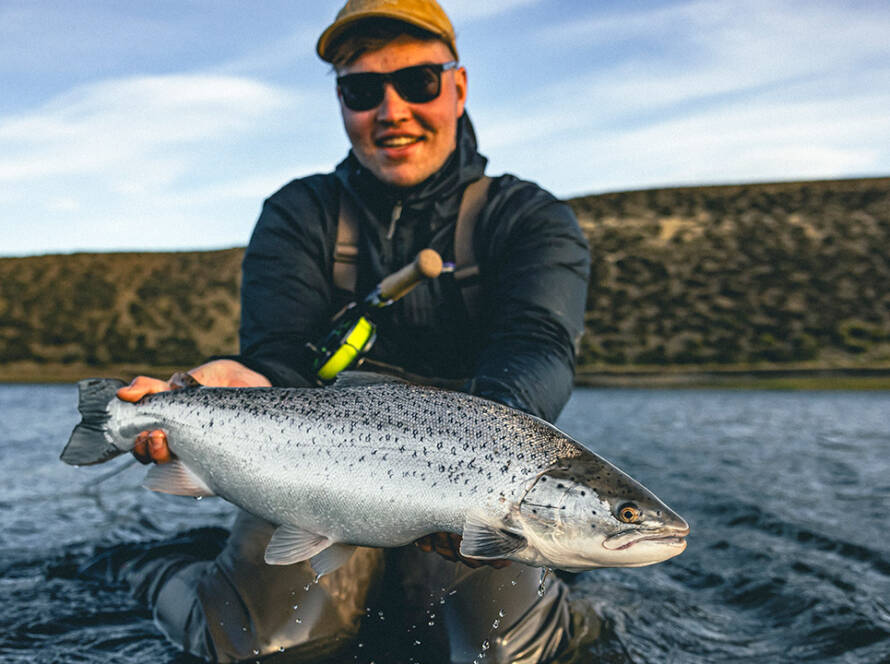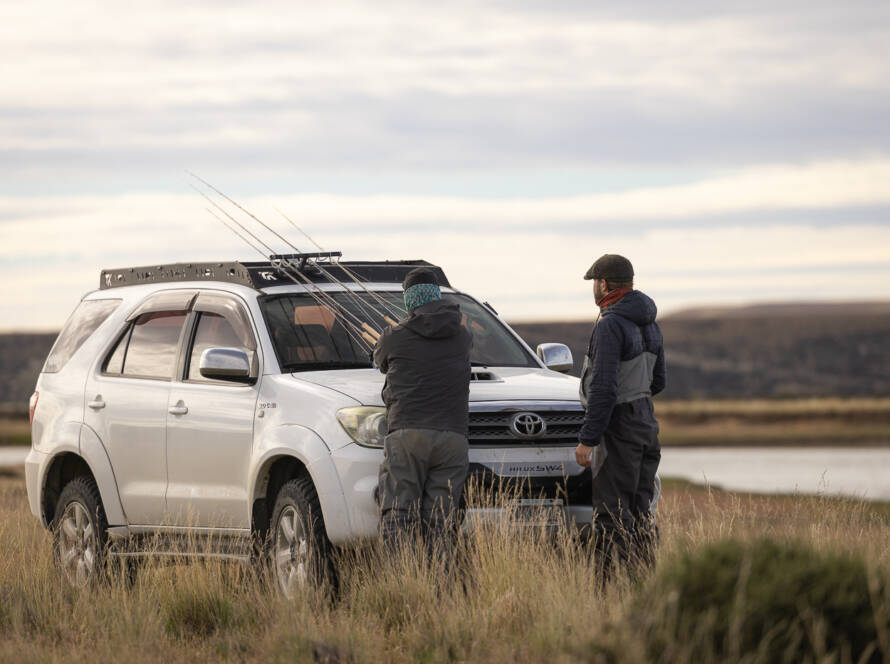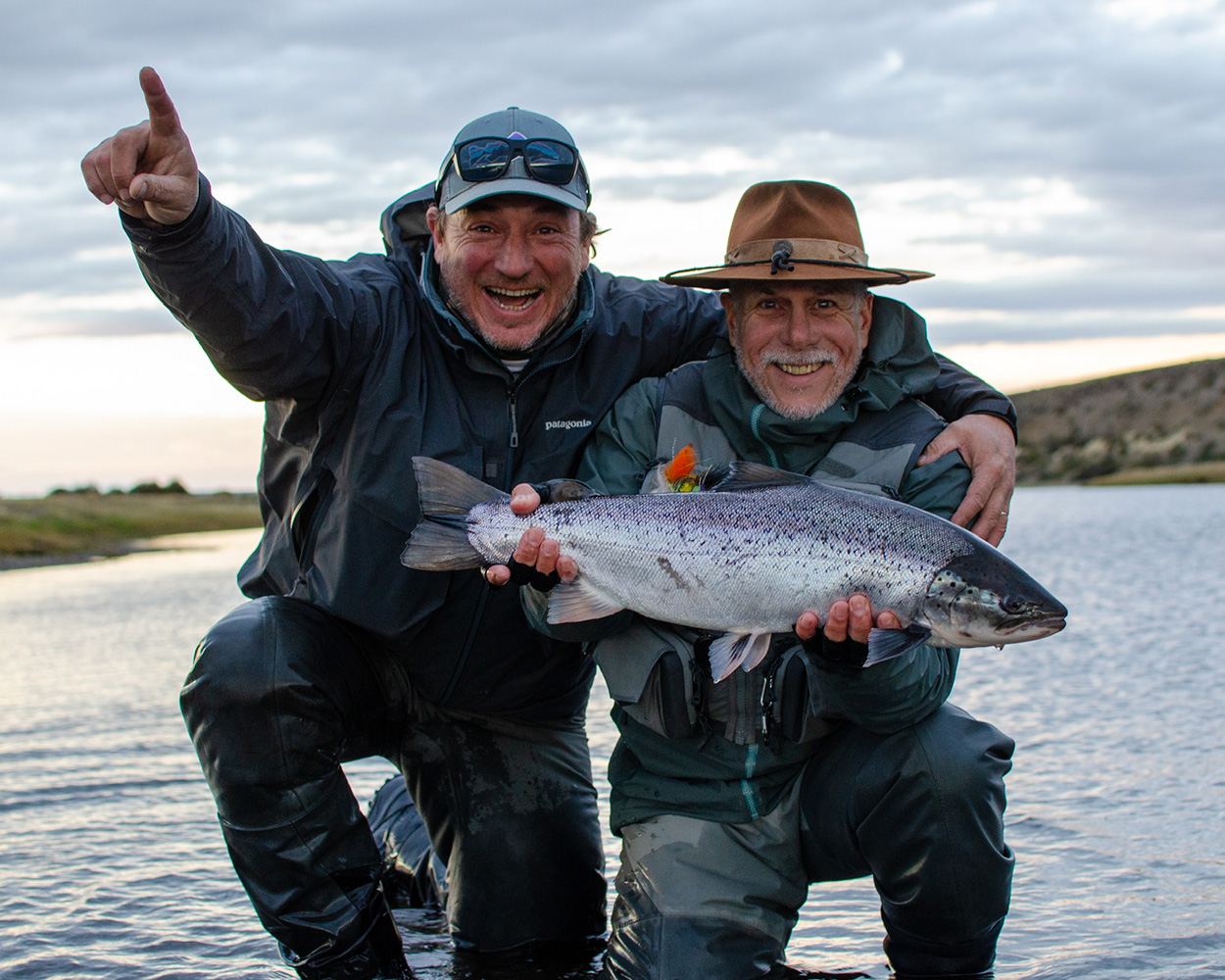
For some anglers, the dream is beautifully simple.
One river. One species. One clear purpose.
For others, the dream keeps expanding. If they are already coming all the way to Patagonia, they want to turn the journey into something broader—more landscapes, more species, more chapters, more memories gathered in a single expedition.
Both instincts are valid.
And both can lead to unforgettable fishing.
That is why one of the most important questions in planning a South American fly fishing journey is this: should you choose a single destination trip, or a combined trip?
The answer depends on more than budget or calendar. It depends on temperament. On travel style. On how you like to fish. On what kind of memories you want to carry home. Some anglers are happiest when they can sink fully into one river and let its rhythm take over. Others feel most alive when a journey changes shape as it unfolds, moving from one fishery to another with a sense of growing momentum.
Patagonia offers room for both.
And when the trip is planned well, either choice can feel exactly right.
The beauty of a single destination trip
There is something deeply satisfying about building a journey around one place.
A single destination trip strips away distraction. It gives the angler time to settle into the landscape, the water, the weather, and the internal rhythm of the fishery. Instead of shifting between airports, transfers, species, and tactics, the entire experience begins to revolve around one central pursuit.
That can be powerful.
On a river like the Río Gallegos, a single destination trip means allowing one world to take over completely. Day after day, the river starts to feel more familiar. The current becomes more legible. The wind becomes less of a surprise and more of a presence you learn to work with. You start noticing subtleties that would be easy to miss in a shorter or more fragmented stay. Your mind gets quieter. Your expectations sharpen. The whole trip begins to feel less like travel and more like immersion.
For many anglers, that is the ideal form of Patagonia.
They do not want variety.
They want depth.
Why some anglers are better suited to one fishery
A single destination trip often suits anglers who take pleasure in concentration.
They enjoy committing themselves to one species, one kind of water, and one emotional atmosphere. They are not worried about seeing everything. They are more interested in living one destination fully. They want to wake up each day with the same river still in their mind. They want time to adjust, refine, learn, and return to the water without breaking the spell of the place.
This is especially true for first-time visitors chasing something iconic.
If an angler has dreamed for years about sea-run brown trout on the Río Gallegos, there can be great value in keeping the trip centered there. The destination already carries enough weight to sustain a full journey. The fish are enough. The landscape is enough. The atmosphere is enough. Trying to add too much too early can sometimes dilute what should have been a deeper encounter.
A single destination trip is not a lesser trip.
It is often the more focused one.
The appeal of a combined trip
And yet, for some anglers, focus is not the whole dream.
For them, the journey becomes more meaningful when it opens outward.
A combined trip answers a different kind of desire. It acknowledges the fact that traveling to Patagonia or southern South America usually involves real distance, real time, real planning, and real expense. Once that commitment has been made, many travelers naturally begin asking a bigger question: if I am already going this far, should I experience more than one fishery while I am there?
Sometimes the answer is yes.
A combined trip can transform a great destination into a larger narrative. The Río Gallegos may remain the emotional center of the journey, but the trip can widen to include giant rainbow trout at Strobel, steelhead on the Río Santa Cruz, golden dorado in Corrientes, brook trout on the Río Coig, or Chinook on the Río Serrano in Chile. Each additional fishery changes the tone of the journey. Each adds a different pace, a different set of tactics, a different landscape, and a different emotional texture.
For the right angler, that variety is part of the magic.
What a combined trip does that a single destination cannot
A combined trip gives range.
That range matters in several ways.
It can give an international traveler more value from a long-distance expedition. It can create stronger contrast between chapters of the journey. It can satisfy an angler who enjoys multiple species and different styles of fishing. It can turn a trip into something that feels less like a stay and more like an adventure moving across a larger map.
One part of the journey may be defined by the measured tension of sea-run brown trout in Patagonia. Another may bring the visual excitement of clear-water rainbows. Another may shift into the powerful campaigns of steelhead. Another may explode into the warm-water aggression of golden dorado. Instead of one mood sustained over time, the angler experiences a sequence of moods, each giving the others more shape.
That is what a combined trip can offer.
Not necessarily a better experience.
A broader one.
Time is one of the biggest deciding factors
If there is one practical question that helps separate these two paths, it is time.
A single destination trip usually makes the most sense when the angler has a limited travel window or wants to preserve the highest ratio of fishing time to travel movement. It allows energy to stay concentrated. It reduces logistical friction. It gives the trip simplicity.
A combined trip, by contrast, needs enough time to breathe.
If the overall travel window is too tight, adding another destination can make the journey feel rushed. Extra flights, drives, transfers, or border crossings may eat into the emotional and physical quality of the fishing. A combined trip works best when there is enough space for each chapter to feel worthwhile rather than squeezed into the calendar.
That is why these trips should never be built only on excitement.
They have to be built on structure.
A good combined trip feels seamless. A poorly timed one feels fragmented.
Budget is important, but it is not the only factor
At first glance, many anglers assume the choice comes down simply to money.
Of course, budget matters. A combined itinerary often brings more moving parts, more logistics, more guiding costs, and potentially more travel within the journey. But the deeper question is not just what the trip costs. It is what kind of value the angler wants from the trip.
For some, spending on one destination and doing it well is the better use of money. They want the full Río Gallegos experience, properly lived. They do not want to split attention, species, or energy. They would rather go deeper in one place than spread the investment across several.
For others, the larger value comes from making the long journey south feel as complete as possible. If they may not return soon, or if they have always dreamed of fishing more than one iconic destination while already in the region, the added expense of a combined trip can feel justified.
In other words, budget matters.
But so does travel philosophy.
Personality matters more than many anglers realize
This is the part people often overlook.
Some anglers are naturally immersion-driven. They like repetition, deepening familiarity, and the quiet satisfaction of staying within one system until it starts revealing itself more fully. They are often happiest with a single destination.
Others are journey-driven. They are energized by movement, contrast, and the feeling of crossing from one fishery into another. They like changing tactics, changing scenery, and allowing a trip to evolve through different waters and species. They often respond better to a combined itinerary.
Neither personality is more sophisticated than the other.
But each one should shape the plan.
The best trips are not built around what sounds impressive on paper. They are built around what will genuinely feel rewarding to the person living them.
First-time visitors and returning guests often need different advice
For many first-time Patagonia travelers, a single destination can be the strongest choice.
There is already so much to absorb: the landscape, the river culture, the climate, the fishing rhythm, the travel itself. Keeping the trip centered on one destination allows the experience to feel more coherent and less overwhelming. It gives the first journey more clarity.
Returning guests, on the other hand, often make excellent candidates for combined trips.
They may already know the emotional value of the Río Gallegos. They may have fallen in love with Patagonia on a previous visit. They may now want to extend that relationship, not replace it. A combined trip allows them to keep one foot in the familiar while expanding into something new. It can feel like the natural next step.
That is one reason combo trips often appeal strongly to anglers who already know what a great Patagonia trip feels like.
They are not abandoning depth.
They are building on it.
Why logistics can make or break the combined option
This is where planning becomes everything.
A combined trip only feels luxurious when it has been designed well. Otherwise, it risks becoming a collection of exciting ideas that create unnecessary fatigue. Different species have different seasons. Different fisheries pair better than others depending on timing. Travel flow matters. Guide quality matters. Transfers matter. The pacing of the itinerary matters.
That is why a combined trip should never feel improvised.
The added value comes from curation. From knowing which combinations make sense, which ones are realistic, and which ones will actually enhance the journey rather than distract from it.
This is also why the right base matters.
When Karku helps shape a combined trip, the goal is not to stack destinations randomly. It is to build around a strong center—often the Río Gallegos—and then extend outward into additional fisheries with real thought behind timing, logistics, and overall travel rhythm. That is what makes the combined option feel elegant instead of exhausting.
Where Karku fits in this choice
Karku is well positioned for both paths.
For anglers who want a single destination trip, Karku offers a meaningful Río Gallegos experience anchored in a part of the river with strong identity, an intimate atmosphere, and the emotional depth many serious anglers are looking for in Patagonia.
For those who want something broader, Karku Combo Trips open the door to a more expansive journey built around trusted logistics, curated fisheries, and a stronger sense of continuity from one destination to the next.
That matters because the real question is not whether Karku offers one model or the other.
It is whether the experience can be shaped around what suits the angler best.
Sometimes the right answer is full immersion in one legendary river.
Sometimes the right answer is a multi-species South American journey that begins in Patagonia and expands beyond it.
Karku can support both.
So which Patagonia experience is right for you?
If your instinct is to go deeper rather than wider, if you value emotional immersion, if you want to settle into one fishery and let it define the whole trip, a single destination experience may be the right choice.
If your instinct is to make the most of a long-distance journey, if you enjoy variety, if you are energized by multiple species and changing environments, a combined trip may fit you better.
If this is your first time in Patagonia, depth may be the wiser path.
If you are returning, or if you know with certainty that you want more than one chapter in the same expedition, the combined option may be exactly what makes the journey feel complete.
There is no universal answer.
Only the right answer for the trip you truly want.
Final thoughts
Choosing between a single destination and a combined trip in Patagonia is really a question about what kind of fishing memory you want to create.
Do you want one river to take over your whole week and leave a deep mark on you?
Or do you want a larger expedition, where the Río Gallegos becomes part of a wider South American journey through multiple species, landscapes, and rhythms?
Both can be extraordinary.
What matters is choosing with clarity.
For some anglers, the best Patagonia experience is one powerful place lived fully. For others, it is a carefully designed sequence of unforgettable fisheries. The value lies in matching the structure of the trip to the kind of experience you want to remember years from now.
If you are weighing both options, discover Karku Fly Fishing Lodge and Karku Combo Trips to explore whether your ideal journey is a focused Río Gallegos immersion or a custom Patagonia adventure that extends far beyond a single river.