Two Legendary Rivers, One Big Question
For fly anglers dreaming of Patagonia, two names rise above the rest: Río Gallegos and Río Grande. Both are world-famous for their sea-run brown trout, both are steeped in legend, and both promise encounters with some of the strongest fish on the planet.
Yet despite sharing the same region and species, these rivers offer very different fishing experiences.
So the real question isn’t which river is better — it’s which river is right for you.
In this guide, we compare Río Gallegos and Río Grande across fishing style, accessibility, fish behavior, and overall experience, helping you make an informed decision — and understand why many anglers ultimately choose the Río Gallegos as their Patagonia destination.
The Río Grande: The Original Legend
What Makes Río Grande Famous?
Located on Tierra del Fuego, the Río Grande is often considered the birthplace of Patagonia’s sea-run brown trout mythology. For decades, it set the benchmark for trophy trout fishing.
The river is:
Wide and powerful
Deep and structured
Home to extremely large sea-run browns
Many of the world’s record-breaking fish have come from the Río Grande.
Strengths of Fishing the Río Grande
1. Historical Prestige
The Río Grande carries unmatched historical weight. Fishing it feels like stepping into fly fishing folklore.
2. Consistently Large Fish
Average fish size is impressive, and trophy potential remains very high throughout the season.
3. Technical Challenge
This river demands precision, strong double-haul casting, and mastery of sink tips and heavy flies — a dream for expert anglers.
Limitations of the Río Grande
1. High Cost and Limited Access
Fishing the Río Grande is often:
Extremely expensive
Restricted to private beats
Booked years in advance
Access is limited, and flexibility is low.
2. Less Variety in Water Types
The river’s scale is impressive, but many stretches feel similar, favoring anglers who enjoy repetition and technical refinement.
3. Weather and Wind Exposure
Tierra del Fuego is notorious for:
Strong, constant winds
Cold, rapidly changing conditions
This can shorten fishing days and increase fatigue.
The Río Gallegos: Patagonia’s Evolving Powerhouse
Why Río Gallegos Has Gained Global Attention
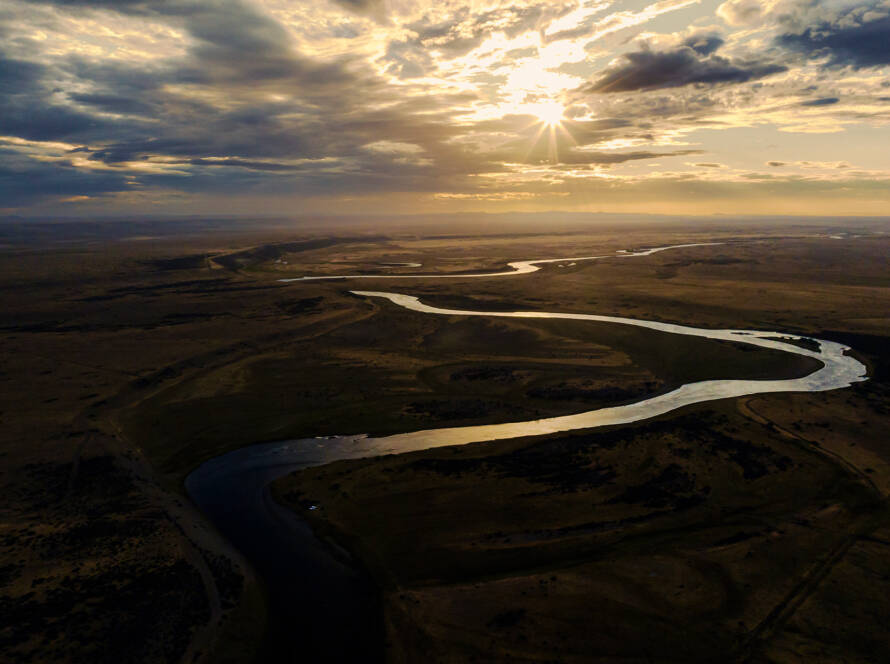
Flowing from Güer Aike Lake to the Atlantic Ocean, the Río Gallegos has emerged as one of Patagonia’s most dynamic and rewarding fly fishing destinations.
Unlike the Río Grande, the Gallegos offers:
A more varied river structure
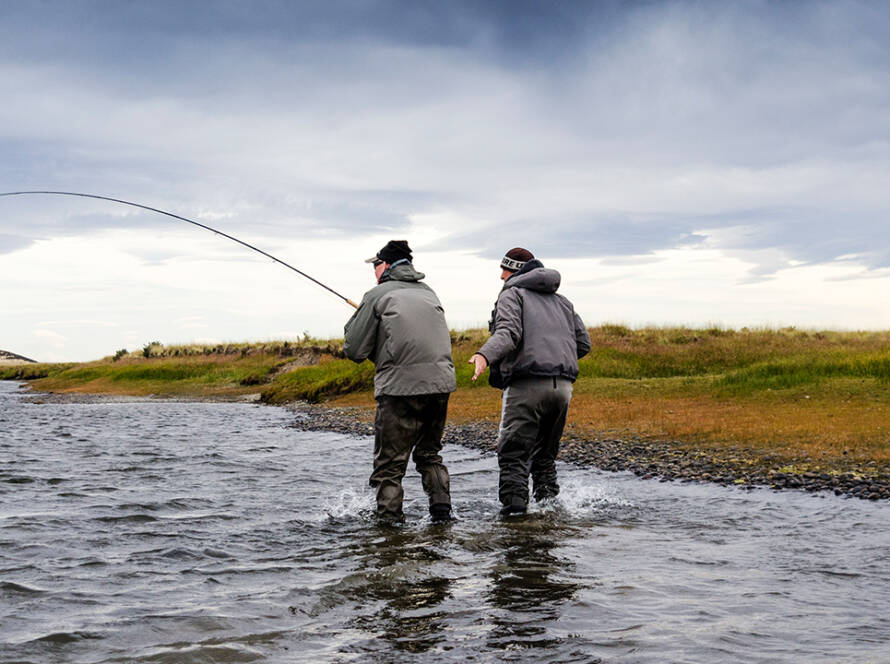
Easier wading in many sections
A balance between power and accessibility
Strengths of Fishing the Río Gallegos
1. Exceptional Sea-Run Brown Trout
Fish on the Río Gallegos are:
Strong and aggressive
Frequently exceeding 15–20 pounds
Known for explosive runs and acrobatics
Early-season fish, in particular, arrive fresh from the ocean with incredible power.
2. Greater Variety of Fishing Water
The Río Gallegos offers:
Shallow runs
Defined pools
Wide flats and tighter channels
This variety keeps each day fresh and allows guides to adapt quickly to conditions.
3. More Accessible and Flexible Experience
Compared to Río Grande, fishing the Gallegos is:
More approachable for a wider range of anglers
Less rigid in scheduling
Better suited for customized trips
This flexibility allows lodges to tailor experiences rather than force anglers into fixed beats.
4. Ideal Balance of Challenge and Reward
The river challenges anglers without overwhelming them. It rewards:
Good presentation
Observation
Adaptability
Without requiring elite-level casting on every single drift.
Fishing Style Comparison
| Aspect | Río Grande | Río Gallegos |
|---|---|---|
| Average Fish Size | Very Large | Large to Very Large |
| Trophy Potential | ⭐⭐⭐⭐⭐ | ⭐⭐⭐⭐½ |
| River Variety | Moderate | High |
| Technical Difficulty | Very High | Moderate–High |
| Accessibility | Limited | More Flexible |
| Cost | Very High | More Balanced |
Which River Is Better for Different Anglers?
Choose Río Grande if you:
Are an experienced, technical angler
Prioritize history and prestige
Have the budget and patience for limited access
Choose Río Gallegos if you:
Want powerful sea-run browns with variety
Value flexibility and learning
Prefer a balanced mix of challenge and enjoyment
Many anglers who fish both eventually describe Río Gallegos as more dynamic, engaging, and enjoyable over multiple days.
Why Many Anglers Return to Río Gallegos
The Río Gallegos doesn’t rely solely on legend — it delivers through consistency, diversity, and adaptability. It offers:
Multiple seasonal strategies
A wider learning curve
Strong fish without constant physical strain
For anglers seeking not just a fish, but a complete Patagonia fly fishing experience, the Gallegos continues to grow in reputation.
How Karku Fits Into This Comparison
At Karku Fly Fishing Lodge, the Río Gallegos is approached with deep respect and local understanding. The focus is not on chasing records, but on:
Reading conditions daily
Fishing named pools with intention
Adapting tactics to fish behavior and season
This approach allows anglers to experience the river’s full personality — something that rigid, high-pressure fisheries often cannot offer.
Final Verdict: It’s About Experience, Not Just Size
Both rivers deserve their legendary status. But if your goal is to fish a river that evolves, teaches, and rewards across every day of your trip, Río Gallegos offers something uniquely complete.
Choosing where to fish in Patagonia isn’t about following tradition — it’s about matching your expectations with the river that best serves them.
If you’re deciding between Patagonia’s legendary rivers and want guidance tailored to your experience level, goals, and travel plans, explore what fishing the Río Gallegos with Karku Fly Fishing Lodge can offer.
👉 Discover the river, the seasons, and a flexible Patagonia fly fishing experience with Karku.