Why Fly Fishing Fascinates So Many People
Fly fishing is more than a method of catching fish — it’s a culture, a philosophy, and for many anglers, a way of understanding nature and themselves. From quiet mountain streams to vast rivers in remote regions like Patagonia, fly fishing raises curiosity, questions, and a surprising number of myths.
Whether you’re new to fly fishing or have years of experience, there are facts and questions that continue to intrigue anglers around the world. Understanding them not only deepens appreciation for the sport but also helps anglers approach each river with greater awareness and respect.
What Makes Fly Fishing Different From Other Types of Fishing?
One of the most common questions beginners ask is why fly fishing feels so different from conventional fishing.
The key difference lies in presentation, not power. In fly fishing, the weight of the line — not the lure — carries the cast. This requires rhythm, timing, and sensitivity rather than brute force. As a result, fly fishing often feels more like a dialogue with the water than a technique.
This is why many anglers describe fly fishing as meditative, technical, and deeply immersive.
Interesting Facts About Fly Fishing You Might Not Know
Fly Fishing Is Older Than Most People Think
Fly fishing dates back over 2,000 years. The earliest written reference comes from ancient Macedonia, where anglers used artificial flies made of feathers and thread.
You’re Often Fishing for Behavior, Not Fish
Successful fly fishing is less about the fish itself and more about understanding:
Water flow
Insect life
Light conditions
Fish positioning
This makes fly fishing an exercise in observation and patience.
Bigger Fish Often Live in Shallow Water
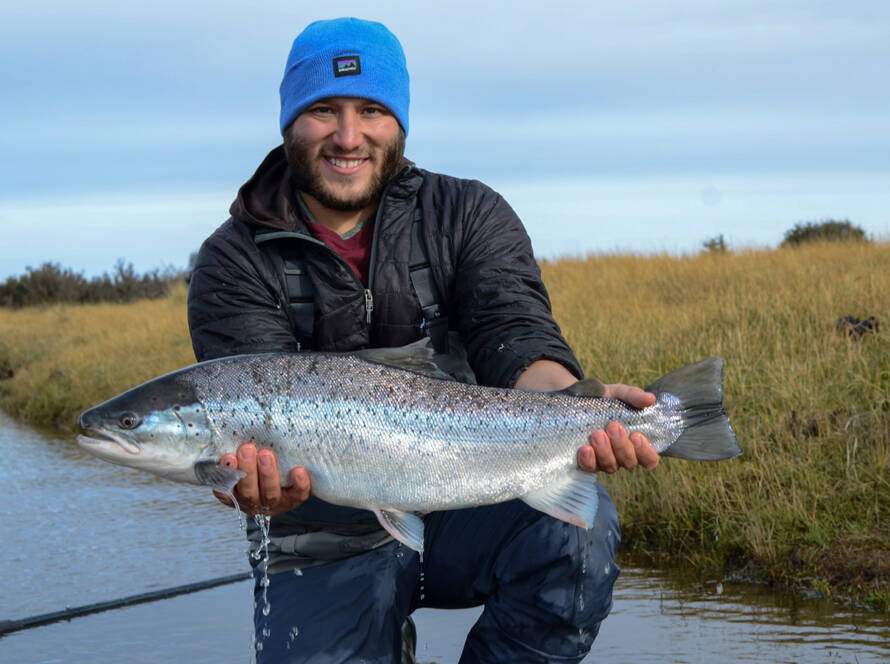
Contrary to popular belief, large trout — including sea-run brown trout — often hold in shallow, slow-moving water where food is abundant and energy expenditure is low.
Why Do Fly Anglers Practice Catch and Release?
Catch and release is one of the most frequently asked questions about fly fishing.
The goal is conservation. Fly fishing often targets wild fish in fragile ecosystems, and releasing fish helps maintain healthy populations for future generations. Ethical handling — barbless hooks, quick releases, minimal air exposure — plays a critical role.
In regions like Patagonia, catch and release is not just a choice, but a responsibility.
Is Fly Fishing Only for Experts?
Another common misconception is that fly fishing is only for advanced anglers.
In reality, fly fishing is scalable. Beginners can start with simple casts and short drifts, while experienced anglers refine presentations and adapt to complex conditions. Rivers like the Río Gallegos offer opportunities for both learning and mastery, depending on guidance and approach.
The key factor is not experience level, but willingness to learn.
Why Are Some Fly Fishing Destinations So Famous?
Certain rivers earn global recognition due to a combination of factors:
Fish size and strength
Natural reproduction
Scenic isolation
Consistent seasonal patterns
Patagonia is one such destination. Its rivers, shaped by wind and open landscapes, challenge anglers while offering rare, powerful fish — especially sea-run brown trout.
Does Gear Matter More Than Skill?
This question sparks endless debate.
While proper gear helps — especially in challenging conditions — skill and understanding always matter more. Reading water, choosing the right fly, and adjusting to conditions will outperform expensive equipment every time.
Local knowledge often makes the biggest difference, especially in remote fisheries.
Why Fly Fishing Teaches Patience
Fly fishing doesn’t reward rushing. Fish rarely respond to urgency. Instead, success comes from:
Slowing down
Observing patterns
Accepting long quiet moments
Many anglers discover that the lessons learned on the river extend far beyond fishing — into patience, focus, and humility.
Can Fly Fishing Be Sustainable?
Yes — when practiced responsibly.
Sustainable fly fishing focuses on:
Respecting local regulations
Protecting habitats
Supporting conservation-minded lodges and guides
In destinations like Patagonia, sustainability ensures that rivers remain wild, productive, and accessible for generations.
Why Local Guidance Changes Everything
One of the most important answers to many fly fishing questions is simple: local knowledge matters.
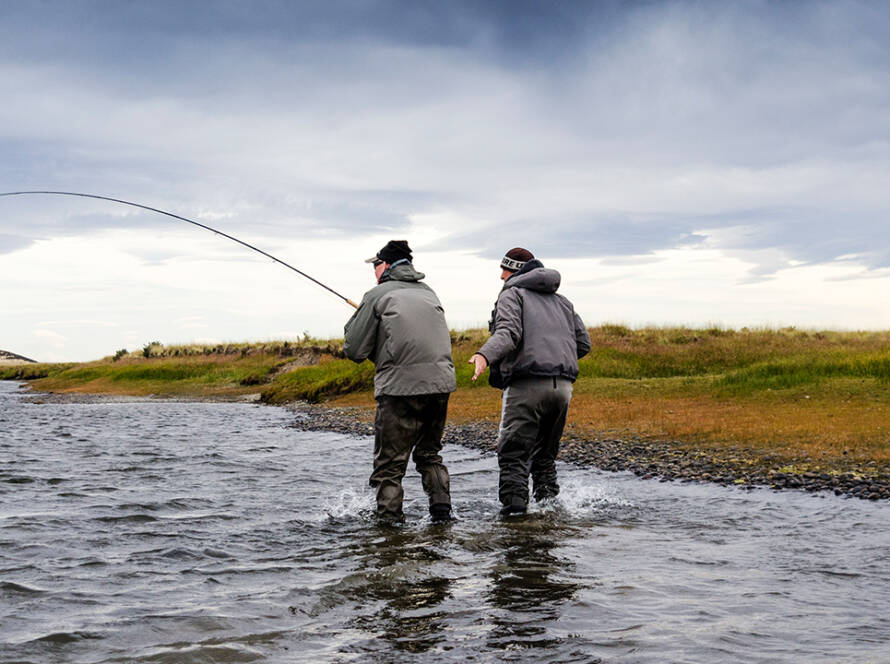
Rivers change daily. Wind shifts. Fish move. What worked yesterday may fail today. Experienced local guides understand these subtleties and help anglers adapt rather than struggle.
This is especially true in complex fisheries like the Río Gallegos.
Conclusion: Fly Fishing Is a Lifelong Conversation
Fly fishing never fully reveals itself. Each river, season, and fish adds new questions — and that’s what keeps anglers returning.
The deeper you go, the more fly fishing becomes less about catching fish and more about understanding water, nature, and yourself.
If these questions and facts resonate with you, the best way to truly understand fly fishing is to experience it in a place where the river still leads the way.
👉 Discover fly fishing on the Río Gallegos with Karku Fly Fishing Lodge and explore the sport in one of the world’s most iconic destinations.